(587) 703-6048

Why Concrete Pumps Lose Pressure on a Pour

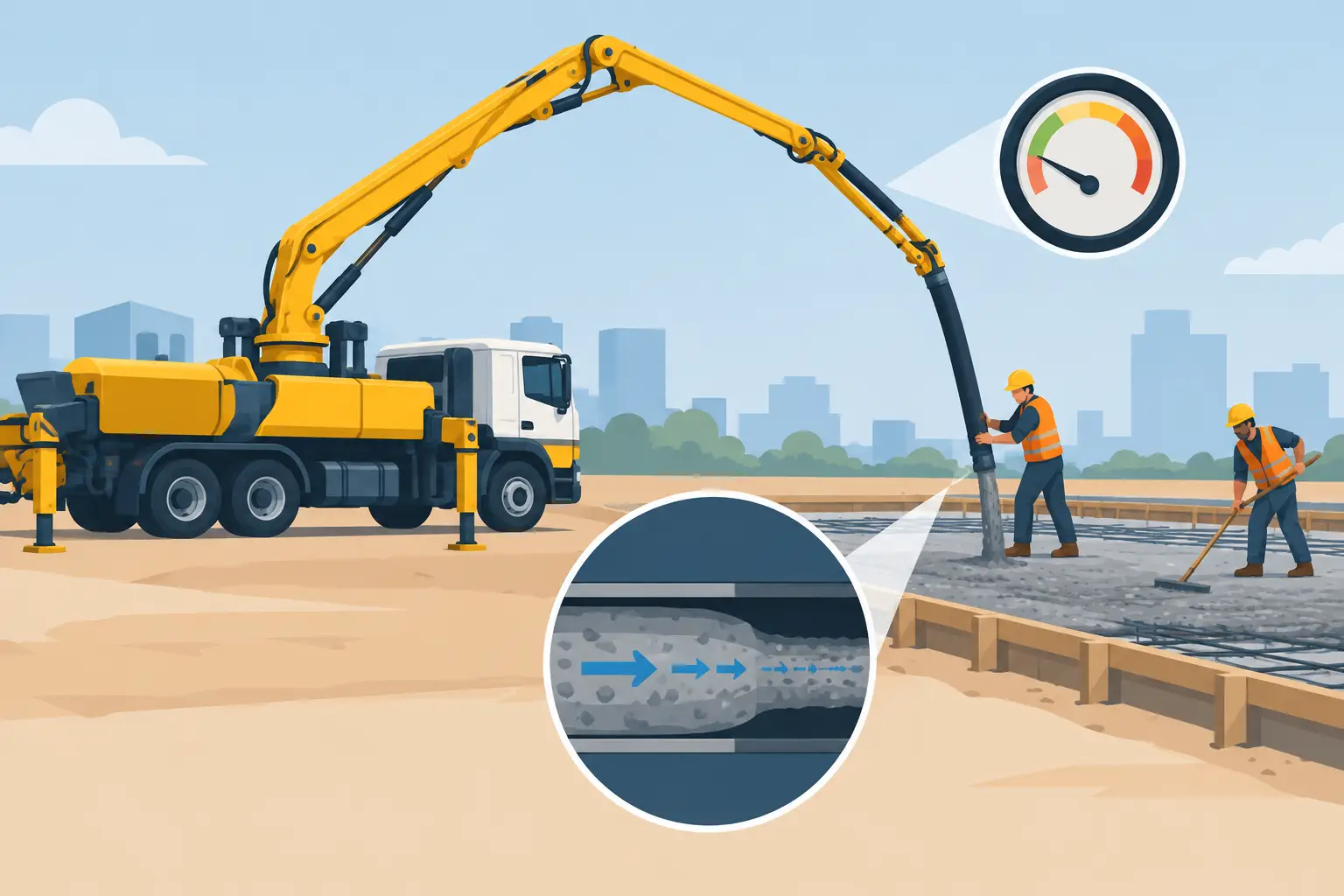
A concrete pump that starts strong and then slows down is not just frustrating. It can put a crew behind, affect finishing timing, and turn a straightforward placement into a cleanup problem. Understanding why concrete pumps lose pressure helps contractors spot trouble early and make better decisions before the truck arrives.
Pressure loss is rarely caused by one issue alone. Concrete mix, pump setup, pipeline condition, weather, access, and operating technique all work together. On an Alberta jobsite, where temperatures and site conditions can change quickly, those details matter.
Why Concrete Pumps Lose Pressure During Placement
A pump creates pressure to move concrete through its hopper, delivery line, boom sections, hoses, and out to the placement area. The farther the concrete must travel, the higher it must climb, and the tighter the path becomes, the more resistance the system has to overcome.
Some resistance is normal. A pressure problem starts when the resistance becomes greater than the pump can manage efficiently or when material stops moving freely through part of the line. The result may be slower output, surging at the hose, a pump working harder than it should, or a full blockage.
The most common causes are an unsuitable mix, inadequate lubrication, poor line configuration, obstructions, air entering the system, or an operating issue during the pour. Good pumping is not simply about bringing a larger machine. It is about matching the pump, line, and concrete to the job.
The Concrete Mix Is Too Stiff or Poorly Suited to Pumping
Concrete must be workable enough to travel through the system without separating, binding, or requiring excessive pressure. A low-slump mix can be pumped successfully when it has been designed for the job, but a mix that is too dry or harsh can create immediate problems.
Aggregate shape and gradation are part of the equation. Mixes with too much coarse aggregate, poorly graded material, or insufficient paste may not flow smoothly around bends and reductions. Large aggregate can also bridge in a tight section of line or at a reducer, especially when the pipeline diameter does not suit the mix.
Adding water at the jobsite is not a quick fix to pressure loss. It can affect strength, finish quality, air content, and the specifications the concrete was ordered to meet. If pumpability is a concern, it should be discussed before the pour with the concrete supplier and pump provider. The right admixture or a pump-friendly mix design is a far better solution than making uncontrolled changes at the truck.
The Line Was Not Properly Primed
Before concrete enters the delivery system, the inside of the line needs a lubricating layer. This is typically established with a grout or primer approved for pumping. Without it, the first concrete can scrape against dry pipe, creating high friction and leaving coarse aggregate behind.
That early resistance can develop into a blockage quickly. The pump may still cycle, but concrete output becomes inconsistent or stops altogether. Proper priming is a small step with a major impact, particularly on longer line-pump runs, older pipe, or configurations with several bends.
The prime must also be managed correctly at the discharge end. It is not placed into the work unless it meets the project requirements. An experienced crew plans where it will go before pumping begins, rather than figuring it out when the first material reaches the hose.
Line Setup Can Create Unnecessary Pressure Loss
Every foot of hose and pipe adds resistance. So does every elbow, reducer, sharp bend, vertical rise, and transition between components. A line setup that looks simple on paper can become demanding when it runs uphill, around forms, through congested framing, or across rough ground.
Long runs need the right line diameter and a layout that avoids unnecessary turns. Tight-radius bends increase wear and pressure. Sudden reductions in line size can be useful where access demands them, but they must be used in the right location and with a compatible mix. A short, direct route generally pumps better than a longer route built around convenience.
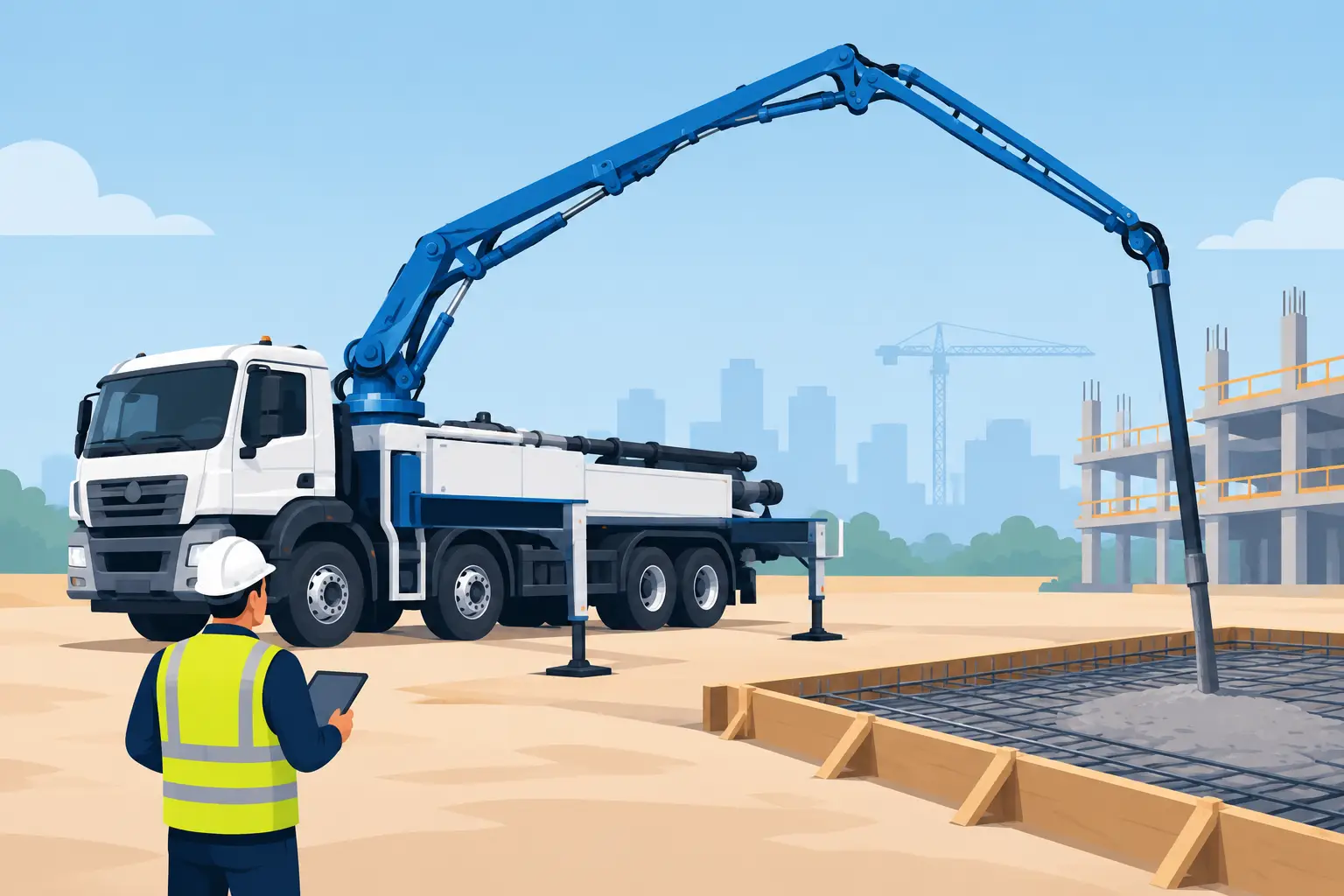
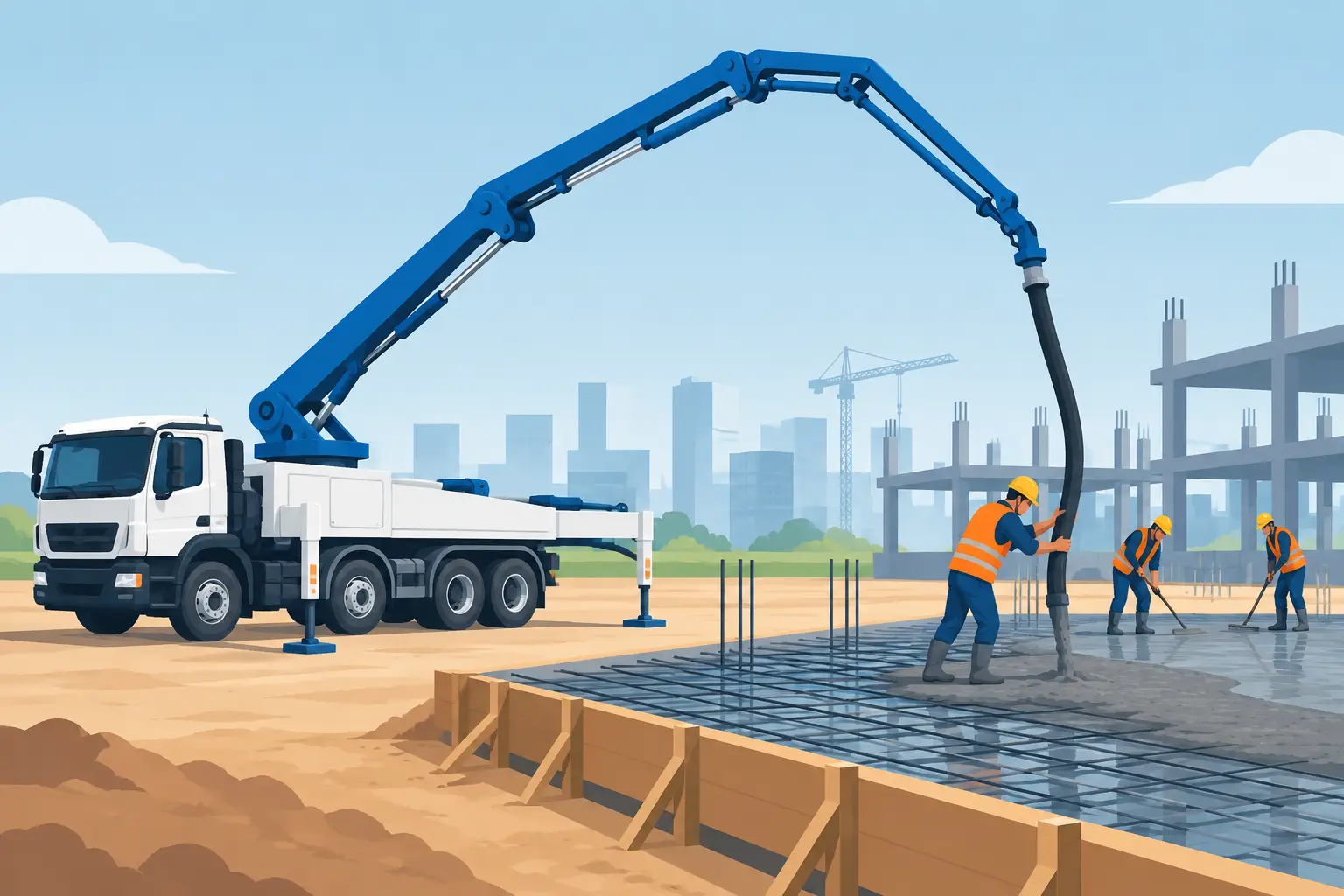
Boom pumping has its own considerations. High-reach placement requires pressure to move concrete through multiple boom sections, particularly when the end hose is working at elevation or a long distance from the truck. The correct boom size and configuration can reduce awkward hose handling while keeping the delivery path within a practical operating range.
Ground conditions matter as well. Unsupported line can shift under pressure, and poorly secured couplings can become a safety hazard. Pipe should be laid out, supported, and inspected before the first load is discharged.
Wear Inside the Pipeline Changes the Flow
Pump pipe, elbows, couplings, seals, and hoses wear from the inside out. The exterior may look serviceable while the internal wall has become thin, rough, or uneven. Worn components can disrupt material flow, increase resistance, and make a blockage more likely.
Elbows and high-wear areas deserve particular attention because concrete changes direction there under pressure. A worn elbow is not just a production concern. It can fail unexpectedly, creating a serious safety risk for workers nearby.
Routine inspection and replacement are part of dependable pumping. This is one reason contractor-owned line, random fittings, and mixed component sizes should never be added to a pump setup without approval from the operator. The entire system needs to be rated and maintained for the pressure it will see.
Blockages Often Begin With Small Interruptions
A blockage is usually the final result, not the first problem. It may begin with a stiff batch, a missed prime, concrete sitting too long in a line, an extended pause, or a foreign object entering the hopper. Once aggregate starts collecting at a restriction, flow becomes harder and pressure rises quickly.
Stopping and starting can be especially hard on a line. During a delay, concrete can settle and begin to stiffen. On hot or windy days, that process accelerates. During cold weather, reduced workability and slower coordination between trucks can also complicate the pour. The best approach is to plan the pour sequence, confirm truck spacing, and keep the placement crew ready before pumping starts.
Foreign material is another preventable cause. Wood chips, hardened concrete, packaging, gloves, tools, and other debris do not belong in the hopper. Hopper grates and attentive loading practices help keep material out of the system.
If pressure rises abnormally, the operator should address it immediately. Continuing to force the pump can compact the blockage and increase the risk of a line failure. Nobody should stand over, straddle, or work directly in front of a pressurized line while a problem is being diagnosed.
Operator Technique Makes a Real Difference
Concrete pumps are powerful machines, but they are not automatic material conveyors that can be pushed without judgment. The operator monitors output, pressure, concrete consistency, truck supply, line movement, and the placement crew throughout the pour.
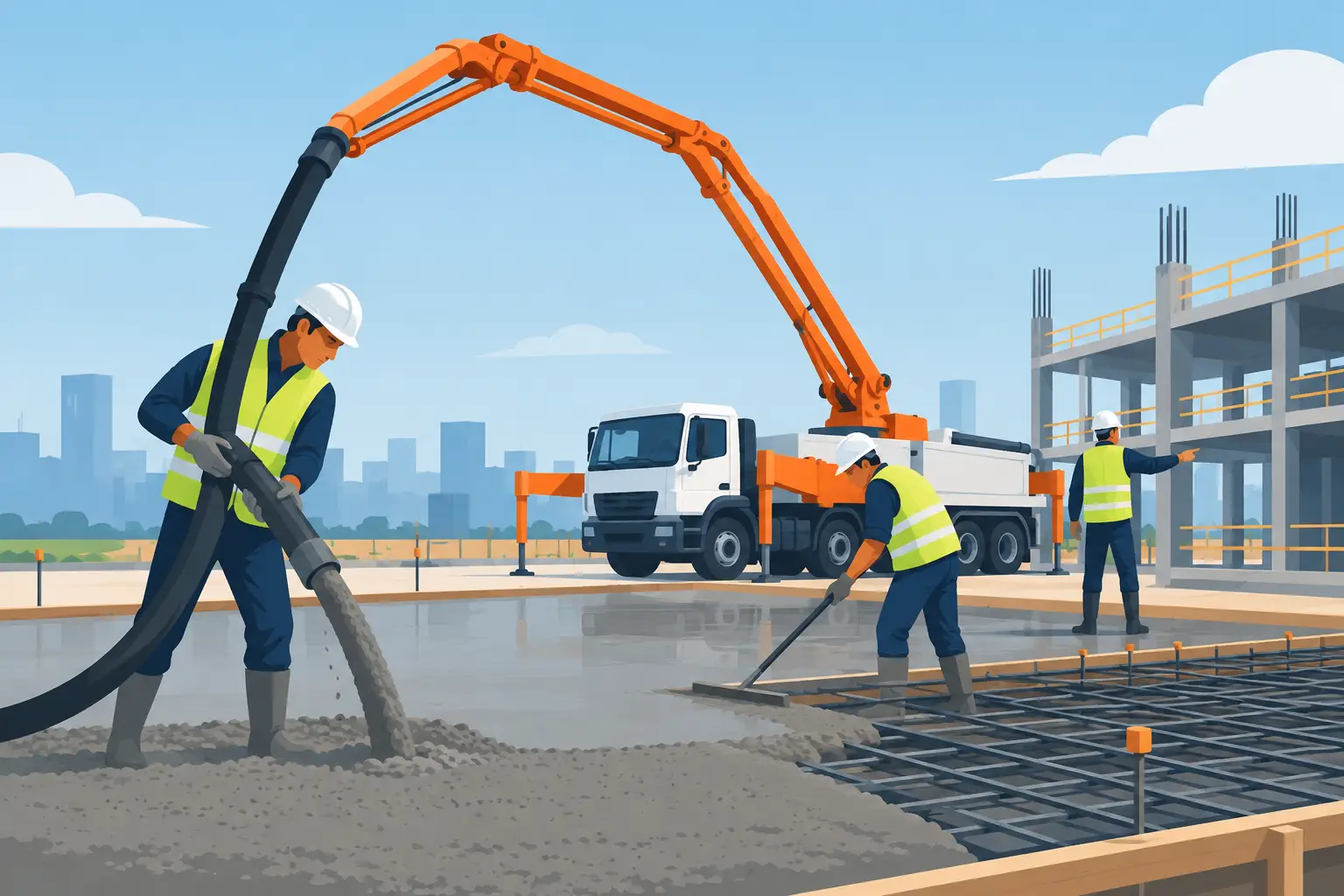
A controlled pumping speed often produces better results than running at maximum output. If a finisher needs time, the operator can adjust the pace without allowing the concrete to sit too long in the line. When the pour requires a difficult reach or a tight placement area, communication between the pump operator, truck driver, placer, and foreman keeps the work moving safely.
The operator also needs the authority to stop when conditions are wrong. That may mean a batch is too stiff, a line route has changed, a coupling needs attention, or the site is not ready to receive concrete. A short pause before a problem develops is usually far less costly than clearing a plugged line halfway through a foundation wall or suspended slab.
Prevent Pressure Problems Before the First Truck Arrives
The best time to prevent pump pressure loss is during scheduling and site planning. Share the placement volume, mix specifications, aggregate size, expected slump, access limits, distance, elevation changes, and desired pour rate. Mention any tight gates, soft ground, overhead lines, restricted swing area, or long line run.
Before the pour, make sure the pump has a stable setup area and the route to the work is clear. Have enough crew on hand to place and finish at the planned rate. Confirm concrete truck timing and make sure washout and prime handling have been considered. These are practical details, but they are often what separates a clean pour from a delayed one.
Bandit Concrete Pumping matches boom and line-pump equipment to the actual placement challenge, not just the yardage on the ticket. That approach helps reduce unnecessary line length, labour bottlenecks, and pressure-related surprises.
When a pump begins losing pressure, treat it as an early warning rather than something to push through. The right mix, a properly planned line, maintained equipment, and an experienced operator give your crew the best chance of keeping concrete moving where it belongs: into the forms, on schedule, and ready for a proper finish.