(587) 703-6048

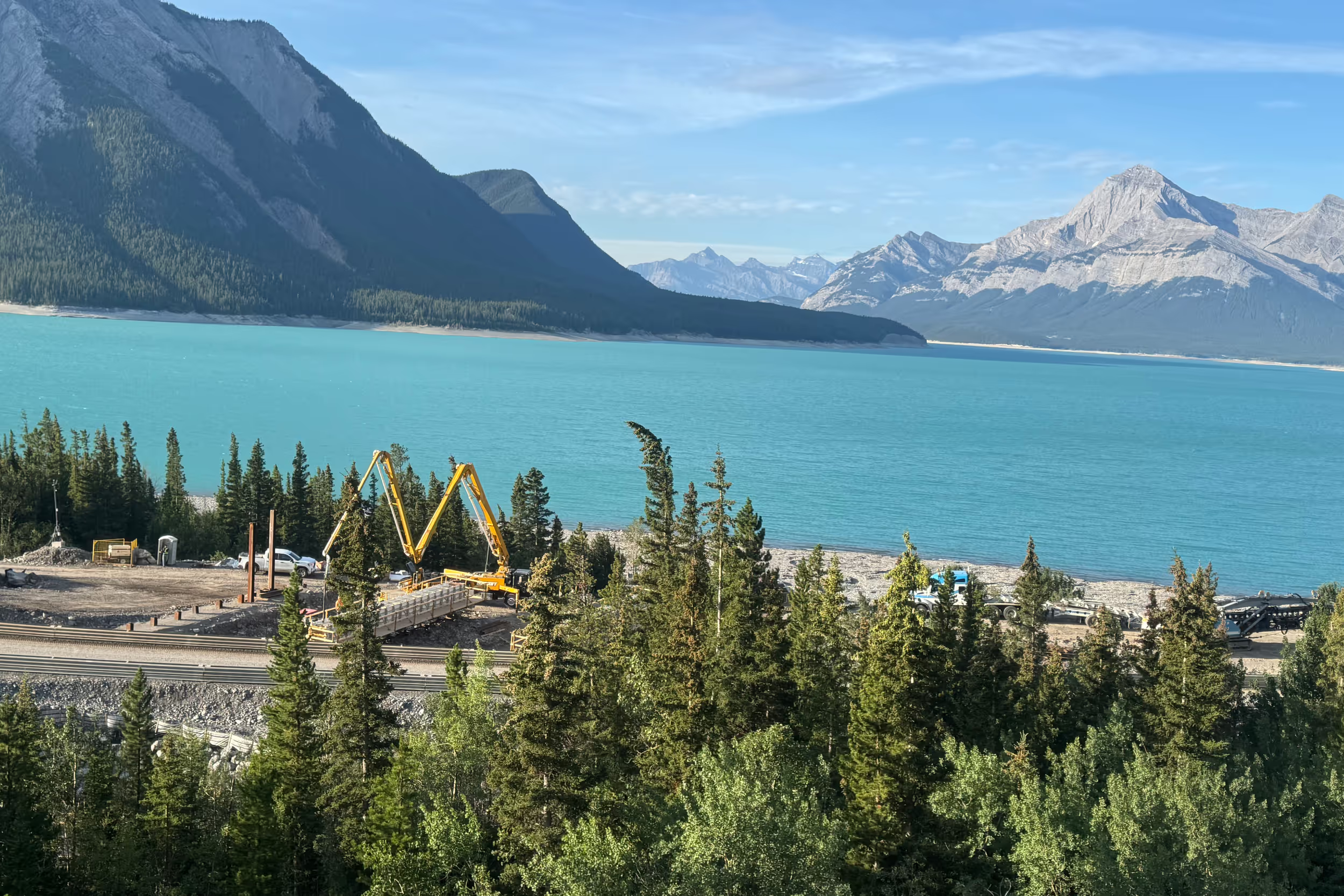

Concrete Pump Crew Coordination That Keeps Pours Moving

A concrete pour can be fully formed, scheduled, and ready for trucks, then lose time in the first 15 minutes because nobody has confirmed where the pump sets up, who directs the ready-mix trucks, or how the crew will communicate once concrete starts moving. Concrete pump crew coordination is what turns a pump from a piece of equipment into a productive placement plan.
On a residential foundation, a commercial slab, or an industrial pad, the goal is the same: keep concrete moving at a controlled pace, place it where it belongs, protect the crew, and leave the site in good shape. That takes more than booking a pump. It takes clear decisions before the first truck arrives.
Start Concrete Pump Crew Coordination Before Pour Day
The best time to solve jobsite problems is during booking and site preparation, not with a loaded concrete truck waiting at the gate. The pump provider needs a clear picture of the work: the pour type, estimated volume, placement sequence, concrete mix, site access, required reach, and any hazards around the setup area.
A boom pump may cover a broad foundation or slab from one position, which reduces hose handling and keeps the crew working steadily. On a tight infill lot, restricted driveway, or site with limited swing room, a compact roll-and-fold boom can be the better fit. For work behind buildings, inside agricultural structures, or in locations a boom cannot reach, a truck-mounted line pump may give the placement control the job needs.
Equipment choice affects the whole crew plan. A larger boom can place over a wide area, but it needs suitable access and stable outriggers. A line pump can reach difficult locations through hose, but the crew must plan the hose route, support it properly, and have enough hands available to move it safely as placement progresses.
Before the pour, confirm these details with everyone involved:
- Where the pump will enter, set up, and exit the site.
- Where ready-mix trucks will stage, turn around, and discharge.
- The placement order, including any cold joints, thickened edges, footings, walls, or high-volume areas.
- Who is responsible for traffic control, signals, finishing, testing, and site cleanup.
- Where washout will happen and how the area will be protected.
This is not paperwork for its own sake. Each answer prevents a delay that can affect concrete quality, labour costs, or the schedule for the next trade.
Give Every Person a Clear Job
A pump operator is responsible for safely setting up the equipment and controlling the boom or line system. The placing crew guides the end hose, directs concrete into forms or onto grade, and watches for overfill, movement in forms, and changes in slump or flow. Finishers need a placement pace they can work with. The general contractor or site lead keeps access clear and makes calls when conditions change.
Problems start when responsibilities overlap or disappear. If five people are calling for more concrete, the operator has no useful direction. If nobody is assigned to manage truck traffic, ready-mix drivers may block the pump setup, the street, or the next truck in line.
One person should be the primary contact for the pour. That person does not need to run every task, but they need the authority to confirm the sequence, communicate with the batch plant or truck drivers, and pause placement if a safety or quality issue develops. The pump operator should know who that person is before setup begins.
Use Simple Signals and One Voice
Concrete pours are noisy. Engines run, vibrators operate, radios crackle, and crews may be spread across a large slab or around a foundation. Simple, agreed-upon signals matter.
The crew should establish how to call for start, stop, slower flow, faster flow, and emergency stop. Hand signals work well when the operator has a clear line of sight. Radios are useful on larger sites, around obstacles, or when the hose crew is outside the operator's view. Either way, avoid competing instructions. The designated signal person should communicate directly with the operator whenever possible.
A stop call always takes priority. If a form is moving, a hose is unstable, a worker enters a hazard area, or the placement area is not ready, stop the flow first. It is easier to restart with a clear plan than to fix a blowout, spill, or damaged formwork.
Match Truck Timing to Placement Speed
The pump can move concrete quickly, but the job does not benefit if trucks arrive faster than the crew can place and finish. It also does not benefit if the pump and finishers stand waiting for the next load. Good timing sits between those two costly extremes.
The right truck spacing depends on pump capacity, the size of the placement crew, the complexity of the forms, weather, travel distance from the batch plant, and the finish requirements. A straightforward garage slab can often move quickly. A foundation with steps, pilasters, narrow walls, or difficult access may require a slower, more controlled pace.
Talk through the expected rate before the pour, then adjust based on actual conditions. Alberta weather can change the equation quickly. Hot, dry conditions may speed surface drying and put pressure on finishers. Cold temperatures may require different concrete handling and protection measures. Rain, soft ground, or a muddy access route can slow truck movement and affect where equipment can safely set up.
The site lead should monitor the truck lineup throughout the pour, not just at the start. If placement is getting ahead of finishing, space out the next truck. If the crew is ready and the next load is delayed, reorganize labour around the work already placed rather than letting people guess what happens next.
Protect the Setup Area and the People in It
Pump setup needs solid, level ground capable of supporting the truck and outriggers. The area must be checked for underground services, soft shoulders, excavations, overhead obstructions, and power lines. This is especially important on acreage work, rural shops, and developing subdivisions where site conditions can vary from one lot to the next.
Keep unnecessary people out of the pump setup zone and away from moving boom sections. Do not treat the boom as a crane, and do not allow workers to stand under it. The end hose needs capable handling as well. It can move suddenly when pumping starts or when concrete flow changes, so the crew needs stable footing and a clear path.
Restricted-access work often requires more planning, not more improvisation. A narrow side yard, backyard addition, or congested commercial site may require a different pump configuration, additional hose, or a revised placement sequence. Those adjustments are normal when they are made before the truck arrives. They become expensive when they are discovered mid-pour.
Keep Placement Controlled, Not Just Fast
Fast placement is valuable only when it remains accurate. The hose crew should place concrete close to its final location rather than relying on excessive raking or pushing. This helps avoid segregation, reduces labour, and gives finishers a more consistent surface to work with.
For walls and deep footings, placement should follow the engineered pour sequence and avoid loading one area too aggressively. For slabs, work from the farthest practical point back toward the access area so the crew does not have to cross fresh concrete or drag hoses through finished sections. The operator and hose crew should watch the consistency of the material throughout the job. A sudden change in flow may point to a truck, mix, or line issue that needs attention before it affects the placement.
There is always a trade-off between output and control. On a large open slab with a full finishing crew, a higher production rate may make sense. On detailed foundation work or a site with difficult access, steady and precise placement usually saves more time than trying to run flat out.
Plan Cleanup as Part of the Pour
A clean site is not an extra service added after the work is done. It is part of a properly coordinated pour. Confirm the washout location before setup, protect nearby finished surfaces, and keep the travel path clear of hoses, tools, and concrete buildup.
The crew should also plan for the final stages of placement. The last truck, remaining concrete in the system, pump cleanup, and site exit all need room and time. Rushing this stage can leave hardened concrete where it does not belong or create conflict with other trades trying to access the site.
Bandit Concrete Pumping works best when the pump operator, contractor, ready-mix drivers, and placing crew are working from the same plan. The result is less waiting, fewer placement corrections, and a cleaner handoff to the next stage of construction.
Before pour day, walk the site once more with the sequence in mind. Confirm the access, the setup ground, the truck route, the signal person, the finishing plan, and the washout area. A few direct conversations before concrete arrives can protect an entire day's work.