(587) 703-6048

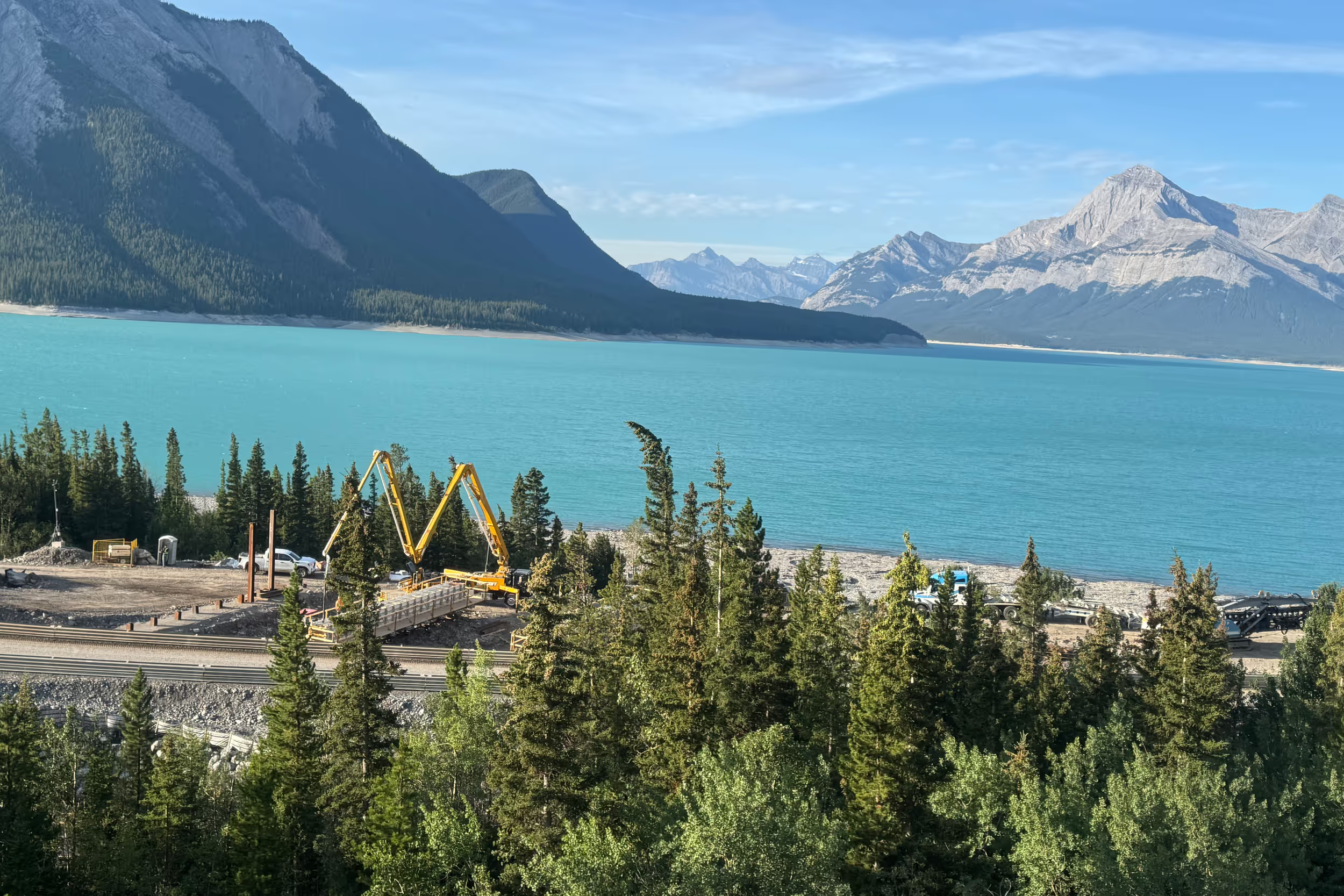

Best Concrete Pour Workflows for Alberta Jobs

A concrete pour can be on schedule at 7 a.m. and behind by lunch if the site, crew, trucks, and placement plan are not working from the same page. The best concrete pour workflows do not rely on last-minute problem-solving. They set the pour up so concrete keeps moving, finishers can stay ahead of it, and access issues are handled before the first ready-mix truck arrives.
For foundations, slabs, shops, garages, commercial pads, and industrial work across Central Alberta, the goal is straightforward: get the right mix to the right location at a controlled pace, with as little rehandling, waste, and cleanup as possible. Pumping is often a major part of that plan, but the pump only performs as well as the preparation around it.
Start the workflow before concrete is ordered
The most expensive delays happen when key details are assumed rather than confirmed. A proper pour plan starts with the finished scope: total volume, pour sequence, specified mix, target slump, reinforcement requirements, joint layout, finishing standard, and curing plan. The contractor, batch plant, placing crew, and pump operator should understand the same sequence before trucks are dispatched.
Break the work into realistic placement zones. A large slab may need to be placed from the far end back toward the access point. A foundation wall may be best handled in lifts, moving around the forms at a steady rate. For a shop floor, consider where the crew will strike off, where they will establish grade, and where the concrete trucks can stage without blocking traffic or trapping equipment.
Concrete is time-sensitive. Ordering more trucks than the crew can place creates pressure and can lead to excess water additions, rushed finishing, or rejected loads. Ordering too slowly can leave the crew waiting and create cold joints. The right delivery interval depends on the volume, pump output, placement distance, finishing capacity, weather, and how complicated the work is. There is no single truck spacing that works for every job.
Confirm the mix for the placement method
The mix design must suit the project and the way it will be placed. Pumpable concrete needs appropriate aggregate size, gradation, paste content, and consistency for the hose and pipeline being used. That does not mean every mix should be made wetter. Adding water on site can affect strength, air content, finish quality, and set time.
If workability needs adjustment, the batch plant and project requirements should guide the decision. On a cold Alberta morning, hot afternoon, or windy exposed site, the concrete can behave differently than expected. Discuss admixtures, air entrainment, set control, and delivery timing before the pour starts, not when the first load is already at the gate.
Match the pump to the jobsite
A pump should solve an access or production problem, not create a new one. The best concrete pour workflows account for where the pump will park, how far it must reach, what it must clear, and how the hose will be managed as the pour moves.
A boom pump is often the efficient choice when concrete needs to travel over forms, around buildings, across a broad slab area, or into locations where chutes and wheelbarrows would slow the crew down. For restricted residential sites, a compact roll-and-fold boom can provide useful reach while fitting into tighter setups. A truck-mounted 4x4 line pump can be the better fit for difficult access, long hose runs, remote placement points, or work where a boom truck cannot be positioned safely.
Pump selection is not only about reach. Ground conditions matter. The pump needs stable setup space, room for outriggers where required, and an approach that keeps it clear of excavations, overhead lines, soft shoulders, and other site hazards. The operator also needs a practical route for boom movement or hose placement without interfering with trades, forms, equipment, or public traffic.
Bandit Concrete Pumping works through these details with contractors because the right equipment setup keeps the placing crew productive instead of making them work around the pump.
Build a pre-pour site check that crews will use
A quick walk-through before the first truck arrives can prevent hours of lost time. It should be practical, not paperwork for its own sake. The crew needs to verify the items that affect safety, placement, and finish quality:
- Forms, bracing, reinforcement, embeds, blockouts, and vapour barrier are complete and inspected.
- Pump access, truck staging, washout location, and traffic flow are clear and agreed upon.
- The placing crew has the required tools, vibrators, screeds, hoses, fuel, water supply where permitted, and personal protective equipment.
- Grade controls, laser levels, string lines, and finishing paths are ready before concrete reaches the work area.
- Weather protection, curing materials, and contingency plans are available for the forecast conditions.
The point is not to make every job identical. A residential garage slab and an industrial foundation have different risks. The check should reflect the work, but it must identify anything that could stop placement once the trucks are rolling.
Set clear roles and communication
A good pour has one person directing the sequence. That person coordinates truck arrivals, tells the pump operator where placement is needed next, watches progress against the plan, and makes decisions if conditions change. Too many voices around the hose can lead to overfilling, missed areas, and unnecessary movement.
The pump operator needs clear signals from the hose crew. The hose crew needs room to work safely and should never be positioned where sudden hose movement, uneven footing, or congested reinforcement can put them at risk. Keep non-essential people away from the placement area. Concrete placement moves quickly when it is organized, and quickly becomes dangerous when it is not.
Place at a steady, controlled pace
Production is not simply about pumping as much concrete as possible. The right pace is the pace the crew can place, consolidate, strike off, and finish without losing control of the material.
For walls and deep sections, place concrete in planned lifts to avoid excessive pressure on forms and to allow proper consolidation. For slabs, distribute material close to final grade rather than piling it high and dragging it across the surface. Overworking concrete wastes labour and can separate aggregate from mortar. Accurate pump placement reduces that handling.
Use vibration properly where required. Internal vibrators should consolidate concrete and remove trapped air, not be used to move material long distances through a form. Over-vibration can cause segregation, while poor consolidation can leave honeycombing and weak spots. The correct method depends on the mix, reinforcement congestion, form geometry, and specification.
Keep an eye on the delivery rhythm. If the finishers are falling behind, communicate early and adjust the placement rate if possible. If trucks are arriving too close together, solve the staging issue before it blocks access. If a truck is delayed, protect the edge of the work and plan how the crew will avoid a cold joint. Calm adjustments early are far easier than trying to rescue a pour at the end.
Protect finishing quality and the surrounding site
The placing operation and finishing operation are connected. A clean, even placement gives finishers a better starting point and reduces the temptation to add water or overwork the surface. Respect bleed water and the concrete's actual set time. Starting finishing too early can trap water below the surface and contribute to scaling or dusting later.
Curing should be ready before the final pass, especially when weather conditions are working against the slab. Wind, heat, direct sun, and low humidity can pull moisture from exposed concrete quickly. Cold conditions bring a different set of concerns, including temperature protection and realistic strength-gain expectations. Follow the project specification and use curing methods suited to the conditions.
Cleanup belongs in the workflow as well. Establish a washout area, protect finished surfaces and landscaping, and keep hose handling controlled. A clean site is safer, easier for the next trade to enter, and less likely to turn a successful pour into an avoidable cleanup bill.
Plan for the problems that actually happen
Even well-run pours face variables: a late truck, rain, a soft access route, a form issue, traffic congestion, or a change in placement access. The difference is whether the crew has options.
Have a backup route for trucks where possible. Know who can authorize changes to the mix or delivery schedule. Keep weather protection close by when conditions are uncertain. Confirm that the pump setup can be adjusted if the planned position becomes unavailable. For complex work, a short pre-pour call between the general contractor, concrete supplier, pump provider, and finishing crew is often worth more than an hour of reactive coordination on site.
The strongest workflow is not the one with the most steps. It is the one that gives every person a clear job, gives the concrete a clear path, and leaves enough room to respond when the jobsite changes. Plan the placement carefully, choose equipment that fits the access, and keep communication direct from the first truck to final cleanup.