 (587) 703-6048
Line Pump Rental for Hard-to-Reach Concrete Pours

When the concrete truck cannot get close to the forms, the pour can slow down fast. A line pump rental gives your crew a practical way to move concrete across distance, around buildings, through tight access, or into locations where wheelbarrows would cost hours of labour and leave a mess behind.
For foundations, garages, shop slabs, retaining walls, agricultural work, additions, and commercial flatwork, the right pump setup can make the difference between a controlled pour and a job that turns into a scramble. The key is not simply hiring a pump. It is matching the line pump, hose layout, crew plan, and concrete mix to the site before the truck arrives.
When a Line Pump Rental Is the Right Call
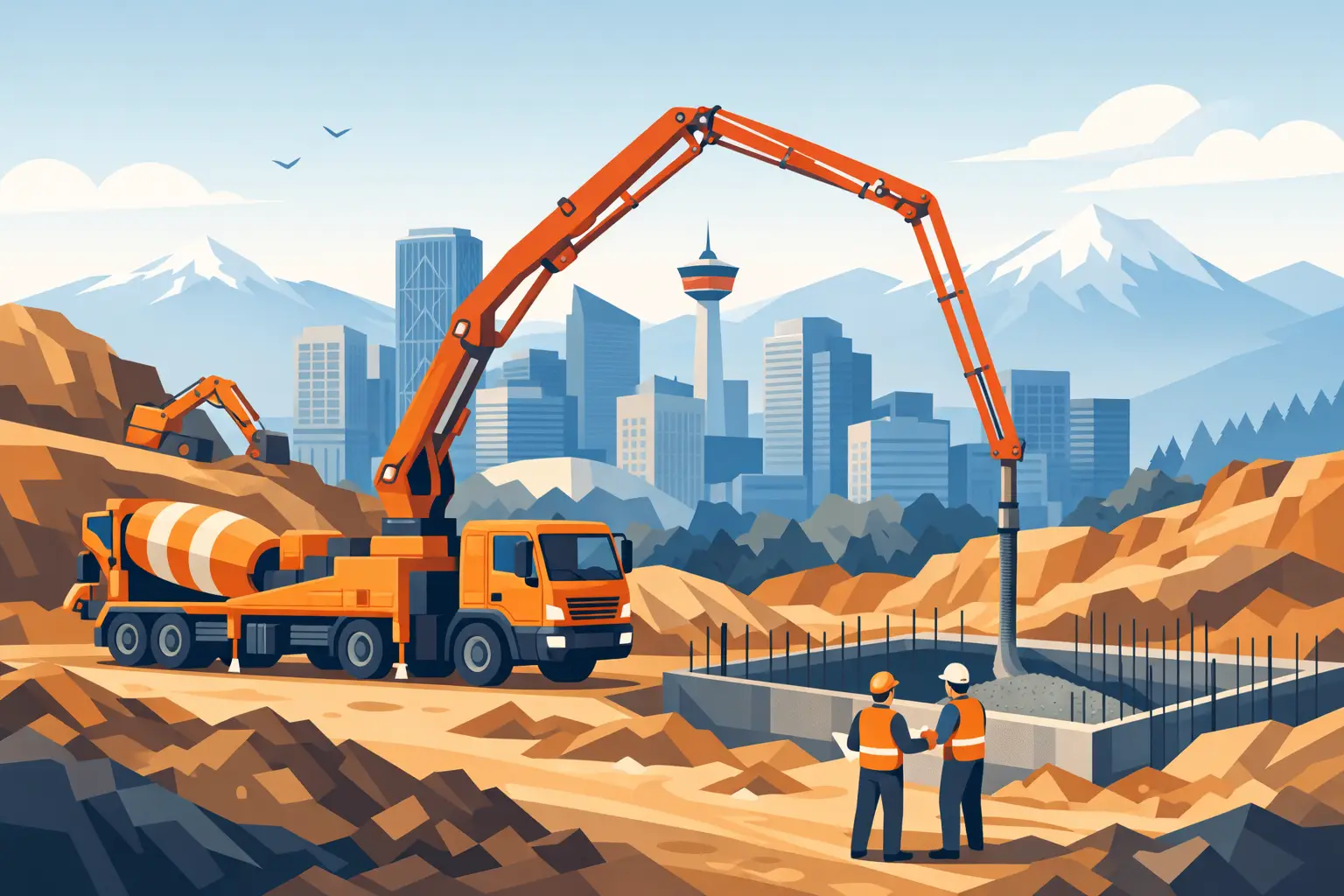
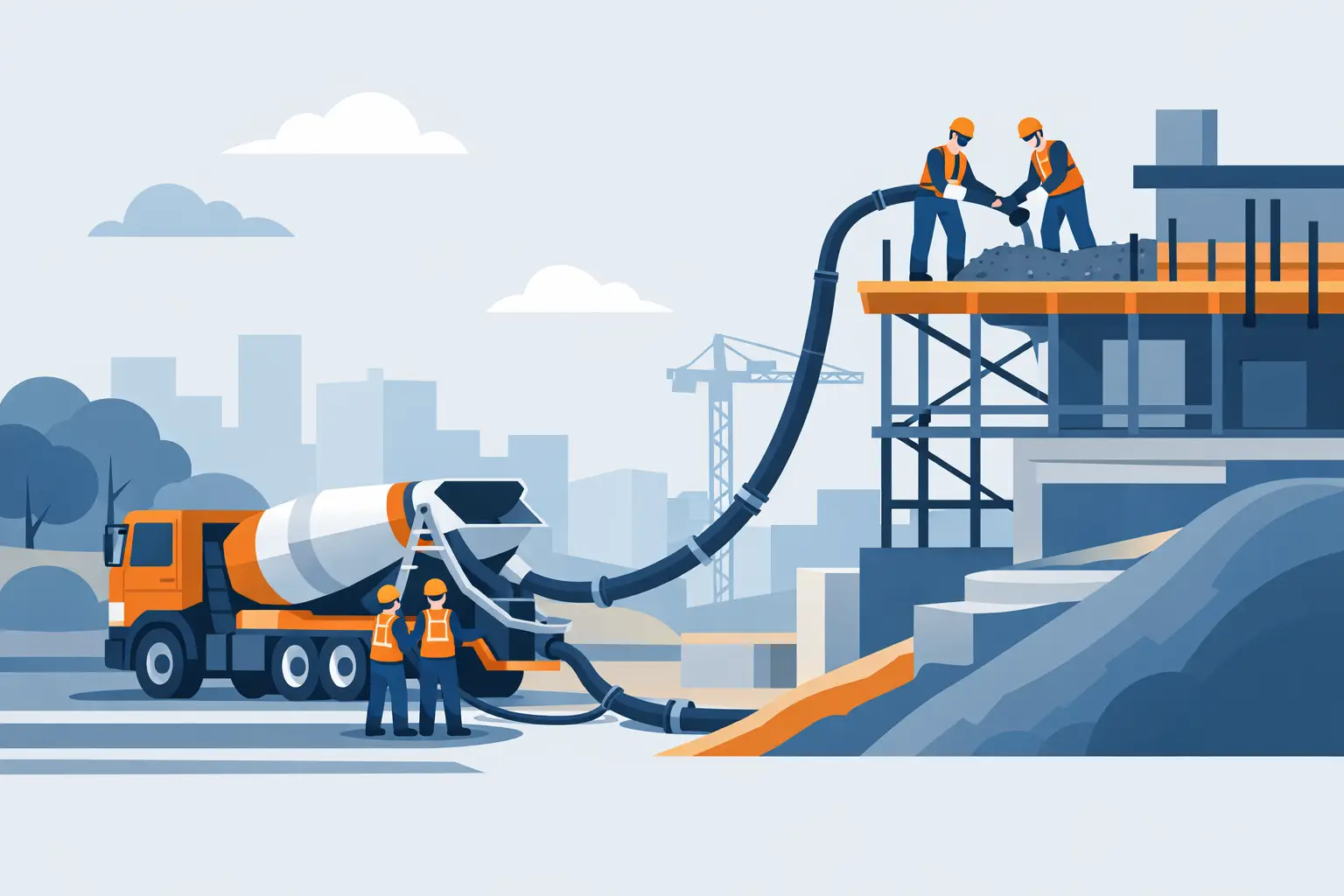
A line pump is built for concrete placement where access is limited and accuracy matters. Unlike a boom pump, which places concrete through an articulated boom, a line pump pushes concrete through ground lines and flexible hose. This makes it a strong fit for jobs with restricted overhead clearance, narrow side yards, awkward building layouts, or placement areas that sit beyond normal chute reach.
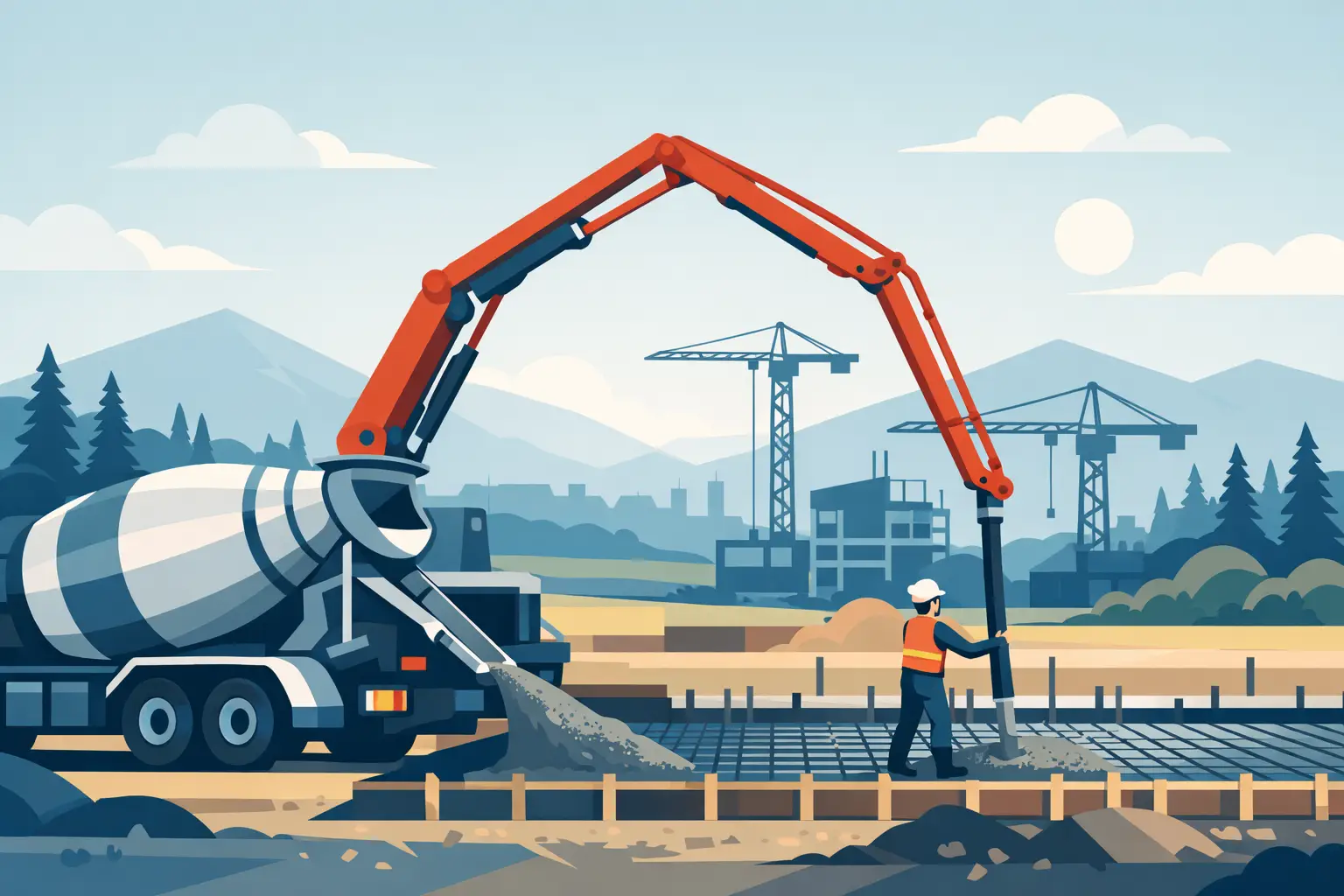
A truck-mounted line pump can be especially useful on residential and rural projects. It can often work from the street, driveway, lane, or a firm staging area while the hose is run to the forms. That means concrete can reach a backyard slab without taking down fencing, driving a mixer truck across finished ground, or sending a crew back and forth with wheelbarrows.
A line pump is not automatically the best choice for every pour. Large commercial slabs, high-volume placements, or jobs requiring broad reach across an expansive footprint may be better served by a boom pump. But when the work calls for controlled placement in a difficult location, a line pump is often the more efficient and economical option.
Common Jobs That Benefit From Line Pump Rental
The most obvious use is a backyard or side-yard pour where a ready-mix truck cannot access the forms. But line pumps solve plenty of other jobsite problems across Central Alberta.
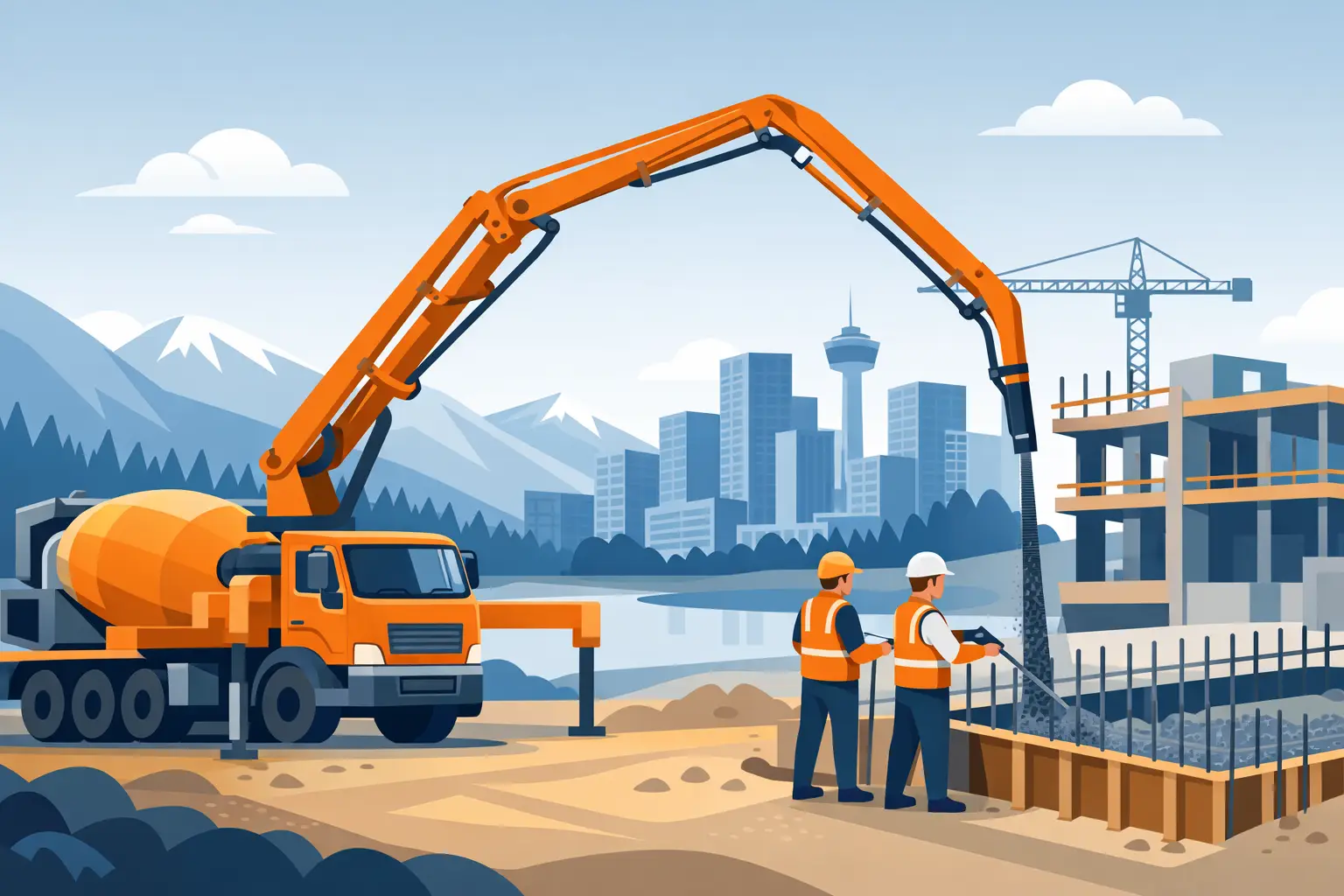
Foundation walls and footings are a common application. Pumped concrete can be placed steadily along the excavation while the crew focuses on vibration, consolidation, and maintaining the proper pour sequence. This is particularly useful where excavations, existing homes, utility lines, or limited lot widths leave no room for truck access.
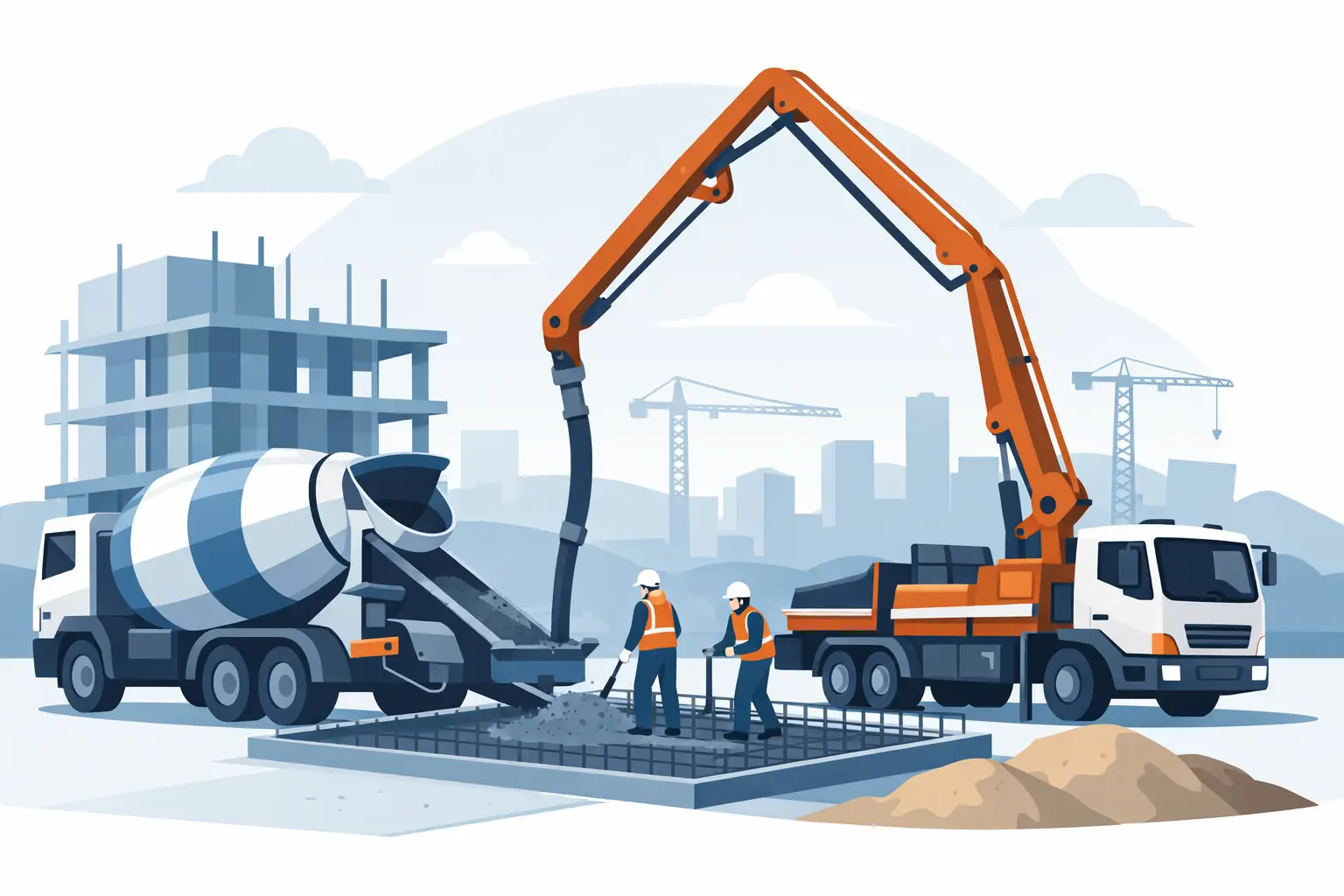
Garage pads, shop slabs, and additions also benefit from hose placement. Rather than relying on a chute that reaches only part of the form, the hose can be moved around the perimeter so concrete is distributed closer to its final position. Less dragging, less rehandling, and less chance of segregating the mix before it is struck off.
For agricultural and industrial sites, line pumping can help place concrete in buildings, pens, equipment pads, bins, utility areas, and other locations where access is constrained by existing structures. The same applies to retaining walls, grade beams, walkways, and smaller commercial pours behind occupied buildings.
What a Line Pump Changes on the Jobsite
The biggest benefit is not just reach. It is control. Concrete comes to the point of placement instead of forcing your crew to transport it from the truck to the forms. That changes how the entire pour runs.
A properly planned pump pour reduces unnecessary handling. Crews spend more time placing, vibrating, screeding, and finishing concrete, and less time pushing loaded wheelbarrows through soft ground or around obstacles. On work with limited labour, that can protect both schedule and finish quality.
Pumping also helps keep placement more consistent. The operator can regulate delivery while the hose crew directs concrete where it is needed. That is useful around congested reinforcing steel, narrow footings, formed walls, and areas where overloading one section can create extra work for the finishers.
There is a cleanup advantage as well. Chute placement and wheelbarrow runs can spread concrete across driveways, lawns, sidewalks, and finished surfaces. A line pump does not eliminate cleanup, but it can keep the movement of concrete more contained when the hose route and washout plan are properly organized.
Planning Your Line Pump Rental Before Pour Day
The best pump jobs are planned before the concrete is ordered. A few details can determine whether the pump arrives, sets up quickly, and keeps the pour moving, or whether the crew loses time dealing with avoidable access problems.
Start with the placement location. Measure the distance from the proposed pump setup area to the furthest point of the pour. Include turns around the house, through gates, along walkways, down slopes, or into an excavation. Hose runs are not measured in a straight line on a site sketch. Every corner and elevation change matters.
Next, consider where the line pump and ready-mix trucks will stage. The pump needs stable ground and a safe position that does not block traffic, interfere with other trades, or create a difficult path for concrete trucks. If the site is wet, soft, steep, or poorly developed, discuss it before scheduling. A 4x4 line pump can be a practical solution for challenging access, but it still needs safe working conditions.
The concrete mix must also be pumpable. Your ready-mix supplier should know the concrete is being pumped so the mix can be specified appropriately. Aggregate size, slump, admixtures, fibre, air content, and strength requirements can all affect pump performance. Do not assume every mix that works from a chute will move through a hose the same way.
Finally, make sure the placing crew is ready. Forms should be secure, reinforcing complete, access clear, tools on hand, and finishers in position before the first truck is discharged. Concrete pumping is efficient, which means a site that is not ready can fall behind quickly.
Site Conditions That Need a Conversation
Some conditions do not rule out pumping, but they need to be identified early. Low overhead wires, tree branches, narrow gates, steep grades, soft landscaping, fresh asphalt, limited truck turning space, and shared residential driveways are all factors that affect setup.
Winter work deserves extra attention in Alberta. Frozen ground may provide firm access, but cold temperatures affect concrete handling, curing requirements, hose management, and site safety. In spring, thawing ground can turn a previously accessible area into a soft, unstable staging location. A quick site discussion before booking is far better than discovering the issue when trucks are already lined up.
It also helps to be realistic about the pour volume and pace. A small job may not need the same output as a large slab, but it still needs enough coordination to prevent cold joints and finish delays. Pump capacity, truck spacing, hose handling, and crew size should work together.
Choosing Between a Line Pump and a Boom Pump
The choice usually comes down to access, reach, production requirements, and the layout of the placement area. A line pump is often the right tool when the hose can be run efficiently to a confined location and the job needs precision more than wide aerial coverage.
A boom pump may be the better option when concrete needs to be placed over a house, across a broad slab, down into a large excavation, or at multiple points over a wide area. The boom provides faster coverage and can reduce hose handling on larger placements. It also requires more room to set up and clear overhead space to operate safely.
There is no benefit in forcing the wrong equipment onto a job. A capable pumping contractor should ask about access, volume, layout, overhead obstacles, and the concrete schedule, then recommend the setup that fits the work. Bandit Concrete Pumping uses this job-first approach to help contractors and property owners select equipment that keeps placement safe and efficient.
Get More Value From the Pump Hour
Pump time is best protected by preparation. Have the forms checked, washout area designated, access route cleared, and concrete trucks scheduled with enough spacing to maintain a steady supply. Keep the hose path free of sharp edges, exposed rebar, debris, and vehicle traffic.
Assign clear responsibilities before the pour starts. One person should communicate with the pump operator, while the placing crew directs the hose and the finishing crew stays ahead of the concrete. On residential work, it also pays to protect landscaping, paving, and nearby finished surfaces before equipment arrives.
Do not treat the pump operator as just the person running the machine. Experienced operators see access issues, hose-routing concerns, and delivery problems before they become delays. Their input can help prevent a costly mistake when the concrete is already on the road.
A line pump earns its value when it removes the bottleneck between the mixer truck and the forms. Plan the route, prepare the site, and choose a crew that knows how to place concrete cleanly under real Alberta jobsite conditions. Then the pour can move at the pace the project needs.