(587) 703-6048

Top Causes of Concrete Segregation on Site

A load can leave the batch plant looking right and still arrive at the forms ready to cause trouble. The top causes of concrete segregation usually come down to water control, mix consistency, handling and placement methods. Once coarse aggregate separates from the mortar and paste, the crew can be left with weak spots, honeycombing, poor finishability and costly repairs.
Segregation is not always dramatic. It may show up as rock pockets at the bottom of a wall, a sandy surface on a slab, or uneven strength in a footing. On Alberta jobsites, fast-changing weather, long hauls and difficult access can add pressure to an already time-sensitive pour. The good news is that most segregation issues are preventable when the mix, crew and placement plan are working together.
What Concrete Segregation Looks Like
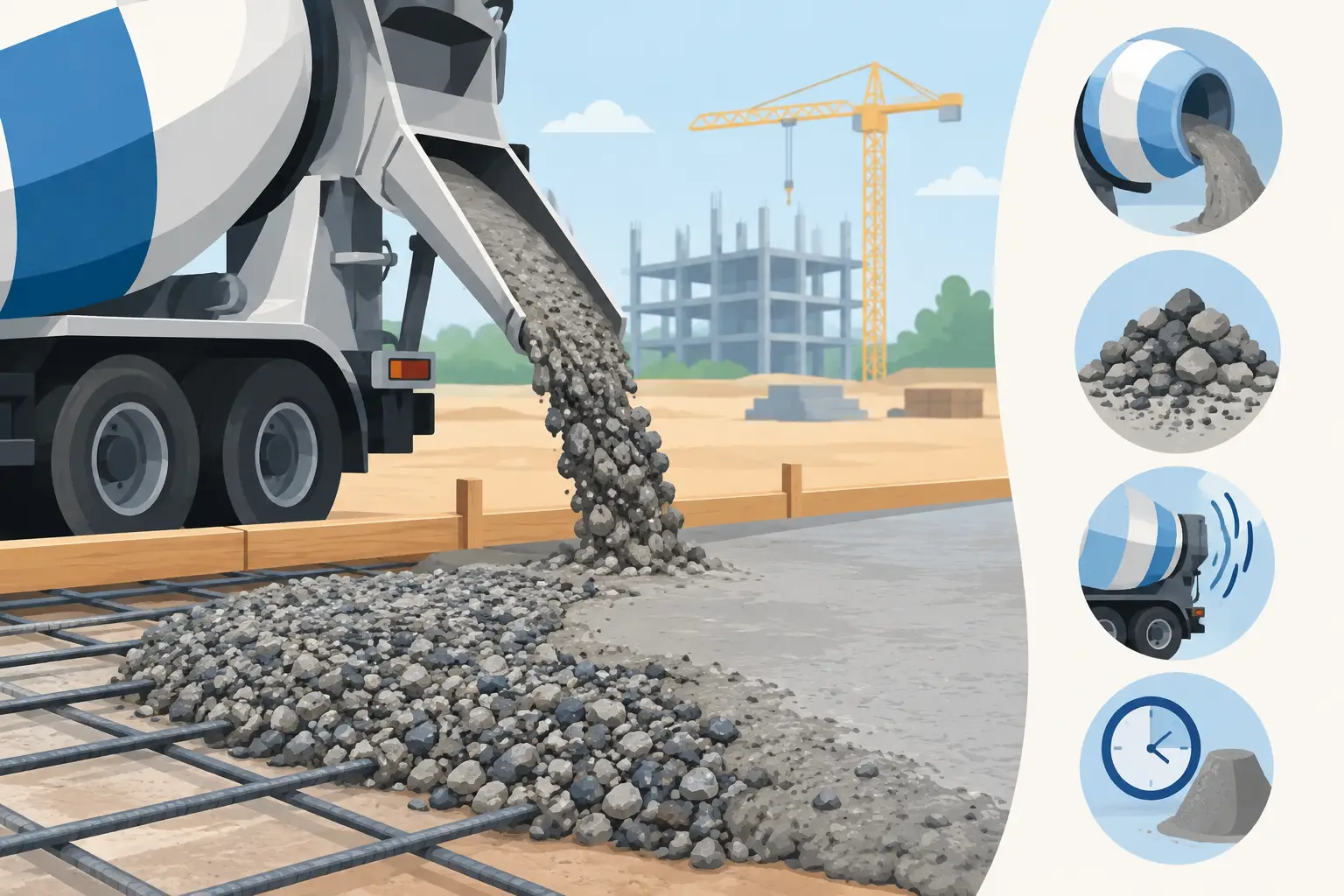
Concrete is a graded blend of cement paste, water, sand, coarse aggregate and, in many cases, admixtures. It performs as intended when those materials stay evenly distributed from truck to form. Segregation occurs when the heavier aggregate settles or separates from the finer mortar, leaving different parts of the placement with different material properties.
That separation can reduce bond around reinforcing steel, make consolidation less effective and create a surface that is harder to finish properly. It can also lead to areas with lower durability, which matters in driveways, exterior slabs, foundations and industrial work exposed to freeze-thaw cycles.
A little bleed water at the surface is not automatically segregation, and neither is normal variation in a mix. The concern is visible separation or a placement that does not remain uniform through the pour. The cause needs to be identified before the crew tries to fix the symptom with more water or extra vibration.
Top Causes of Concrete Segregation
Adding Too Much Water at the Jobsite
Extra water is one of the most common reasons a workable load becomes an unstable one. A small, approved adjustment may be appropriate when it is made under the batch supplier's procedures. Uncontrolled water additions are different. They can weaken the paste that holds aggregate in suspension, increase bleeding and allow stone to settle during placement.
Water also changes more than slump. It can affect air content, set time, shrinkage and final strength. If a load seems too stiff to place, confirm the specified slump, truck revolutions, temperature and time since batching before anyone reaches for a hose. A plasticizer or other approved admixture may be the better answer, depending on the mix design.
Poor Mix Design or Inconsistent Batching
A mix with insufficient paste, poorly graded aggregate or the wrong sand-to-stone balance can be more prone to separation. Aggregate size matters as well. Larger stone is not automatically a problem, but it must suit the spacing of reinforcing, form geometry and placement method.
Batch consistency is equally important. Variations in moisture content of aggregates, inaccurate batching or incomplete mixing can create one truck that behaves differently from the next. For a large pour, clear communication between the contractor, ready-mix supplier and pump crew helps keep slump, aggregate size and admixture requirements consistent across the entire placement.
Excessive Handling and Rough Movement
Concrete does not improve from being moved repeatedly. Dropping it from one bucket to another, running it too far through a chute, pushing it with equipment or rehandling it after partial discharge can separate the materials. Coarse aggregate tends to roll ahead or settle while mortar is left behind.
The practical fix is to plan the shortest controlled path from truck to final location. Pumping is often the cleanest option when access is restricted, the pour is spread across a wide area or wheelbarrow placement would mean multiple transfers. Fewer handling steps generally mean better consistency and less wasted labour.
Dropping Concrete Too Far Into Forms
Free fall is a frequent issue with deep foundations, tall walls, columns and retaining work. When concrete drops a significant distance, the heavier aggregate can hit the bottom or reinforcing steel first while the mortar splashes or flows separately. The result may be rock pockets at the base and a paste-rich area higher up.
Use a pump hose, tremie, elephant trunk or another controlled placement method to keep the discharge point close to the fresh concrete. Move the hose as the level rises instead of letting material fall through open space. This is especially important in congested reinforcement, where aggregate can hang up before the mortar catches up.
Pumping With the Wrong Mix or Setup
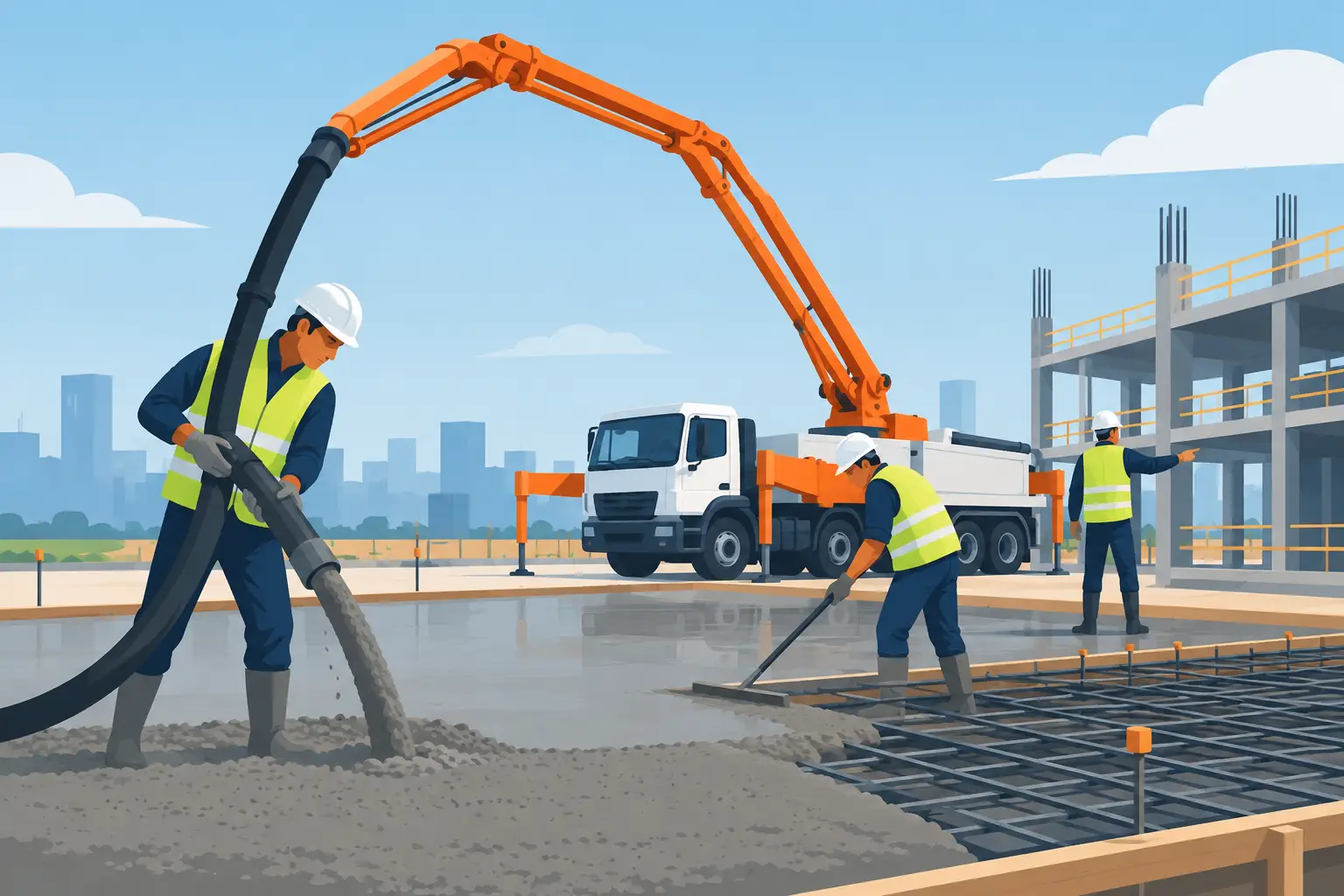
A concrete pump does not inherently cause segregation. In fact, a properly planned pump pour can reduce it by delivering concrete directly and accurately into the forms. Problems arise when the mix is not pumpable, the line is poorly managed or the crew tries to force material that is outside the agreed specification.
A pumpable mix needs suitable fines, consistent grading and an aggregate size that works with the line and boom system. The mix must also meet the structural requirements of the project. Do not change a specified mix simply to make pumping easier without approval from the responsible parties.
On site, avoid allowing the hose to whip, dragging it aggressively through fresh concrete or discharging in one location until stone builds up. Steady output, controlled hose movement and experienced placement are what keep the load uniform. Bandit Concrete Pumping matches equipment and operator approach to the site's reach, access and placement needs so concrete can go where it is needed without unnecessary handling.
Over-Vibration or Incorrect Consolidation
Vibration removes entrapped air and helps concrete fill around reinforcing steel, but too much vibration can drive aggregate downward and bring paste and water to the surface. This is particularly likely with high-slump mixes or when a vibrator is held in one spot for too long.
Use the right vibrator size, insert it vertically where possible and work systematically through the placement. Each insertion should overlap the previous area enough to consolidate the concrete without turning vibration into a mixing process. Avoid using a vibrator to move concrete horizontally through the form. Place it close to its final location instead.
Delays, Heat, Cold and Re-Tempering
Time affects fresh concrete. A load that sits too long can stiffen, especially in warm weather or wind. In cold conditions, set time and finishing schedules change, while frozen materials or poor cold-weather practices create separate quality risks. Trying to recover a delayed load with unplanned water can bring the same segregation problems back into play.
Schedule trucks to match realistic placing rates. Make sure forms, reinforcement, finishing tools and crew are ready before the first truck arrives. For larger pours, have a plan for traffic delays, equipment interruptions and weather changes. A steady placement rate is easier to control than a rushed recovery after concrete starts setting up.
How to Prevent Segregation Before the Pour Starts
The strongest prevention happens before concrete reaches the site. Confirm the mix design, required strength, exposure class, slump range, aggregate size and any admixtures early. If the project includes tight reinforcing, long pump runs, elevated work or narrow access, discuss those conditions before ordering concrete and booking equipment.
During the pour, keep the concrete moving through a controlled path, place it near its final position and maintain a manageable lift height. Watch the discharge for changes in appearance. If a load suddenly looks harsh, watery, overly stony or difficult to pump, stop and assess it before placing questionable material into the work.
The crew should also protect the fresh placement. Do not let workers walk through it unnecessarily, run equipment over unsupported forms or use finishing practices that pull too much paste to the surface. Good placement and good finishing are connected, but they are not the same task. A clean, uniform placement gives finishers a far better starting point.
What to Do If Segregation Appears
If you see obvious stone pockets, mortar separation or excessive water, do not assume vibration or trowelling will solve it. Pause the affected area and identify the source. Check whether the issue is isolated to one truck, related to hose placement, caused by a water addition or tied to a change in the mix.
Document the condition and speak with the general contractor, concrete supplier and the appropriate project representative. The right response depends on where the material was placed, how severe the separation is and whether the concrete can still be corrected before setting. On structural work, guessing is not a repair plan.
A controlled pour is built on preparation, not last-minute fixes. Set the mix and placement plan early, keep the discharge under control, and give the crew the equipment and time needed to place concrete properly the first time.