(587) 703-6048

How to Reduce Labor With Concrete Pumping

A concrete crew can lose hours before the finishing starts. Wheelbarrows get bogged down, chute access is limited, and workers spend the pour moving material instead of controlling grade, consolidation, and finish. Contractors looking to reduce labor with concrete pumping are not simply replacing wheelbarrows with a machine. They are changing how concrete moves through the site.
A pump delivers concrete where it is needed, at a controlled pace, without asking a crew to haul heavy loads across mud, forms, rebar, stairs, or a tight backyard. That reduces physical strain and puts skilled hands where they make the biggest difference: managing placement, protecting forms, vibrating properly, and finishing the slab.
Where Concrete Pumping Reduces Labour
Traditional placement often requires several people just to keep concrete moving. Someone works the chute, others run wheelbarrows, and more workers shovel concrete into corners or across a large footprint. Those jobs are necessary when access is simple and the pour is small, but they become a labour bottleneck as distance, elevation, or volume increases.
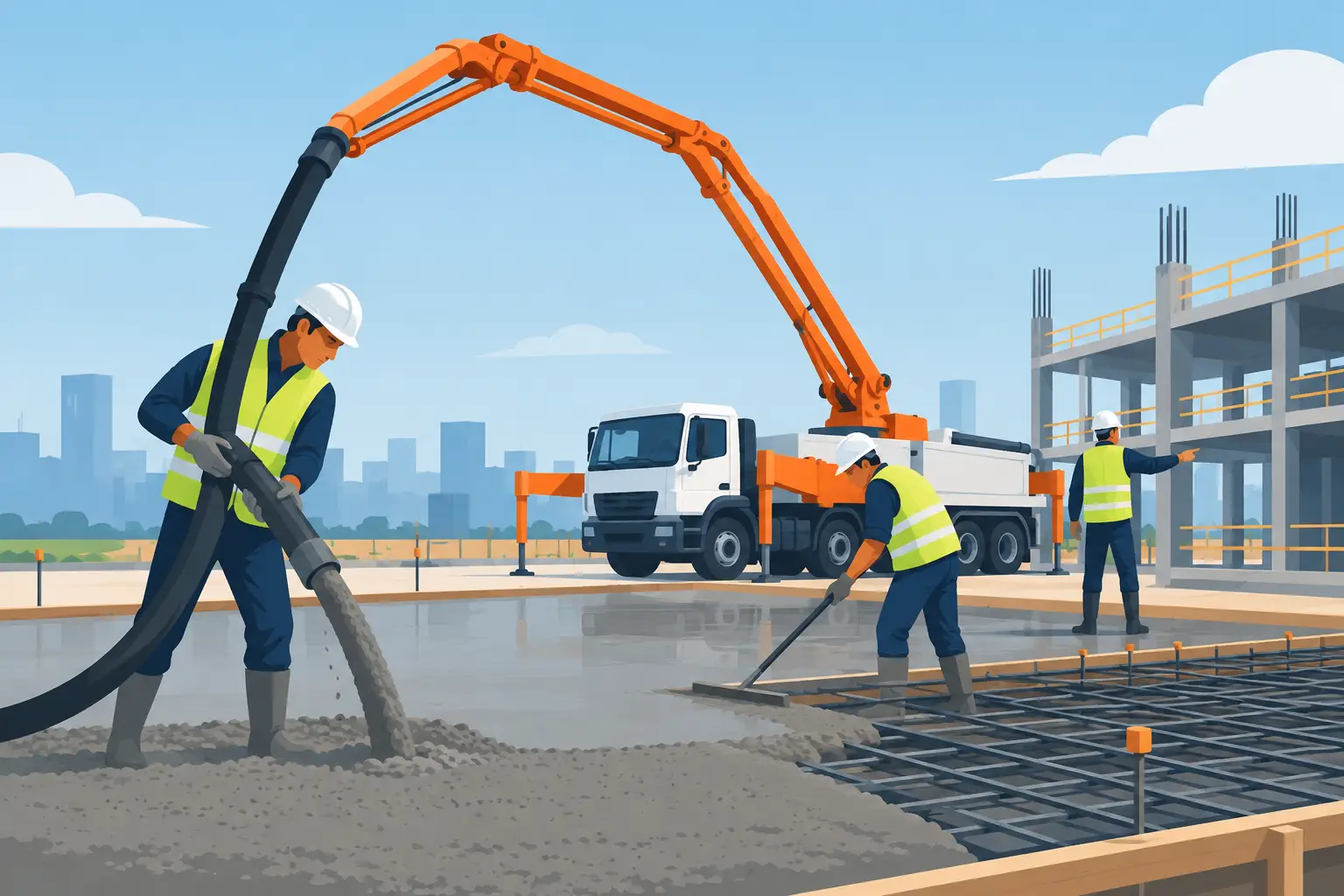
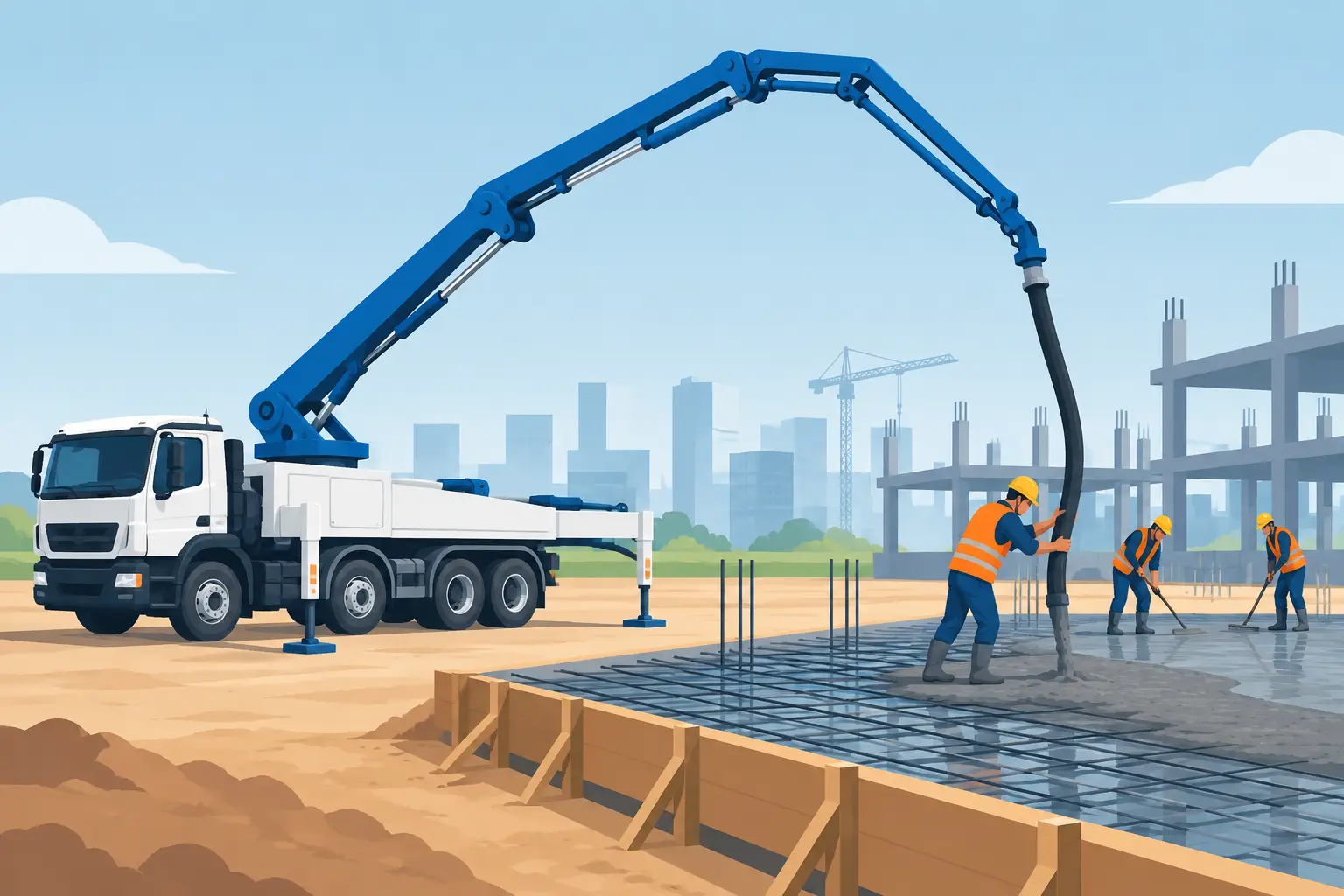
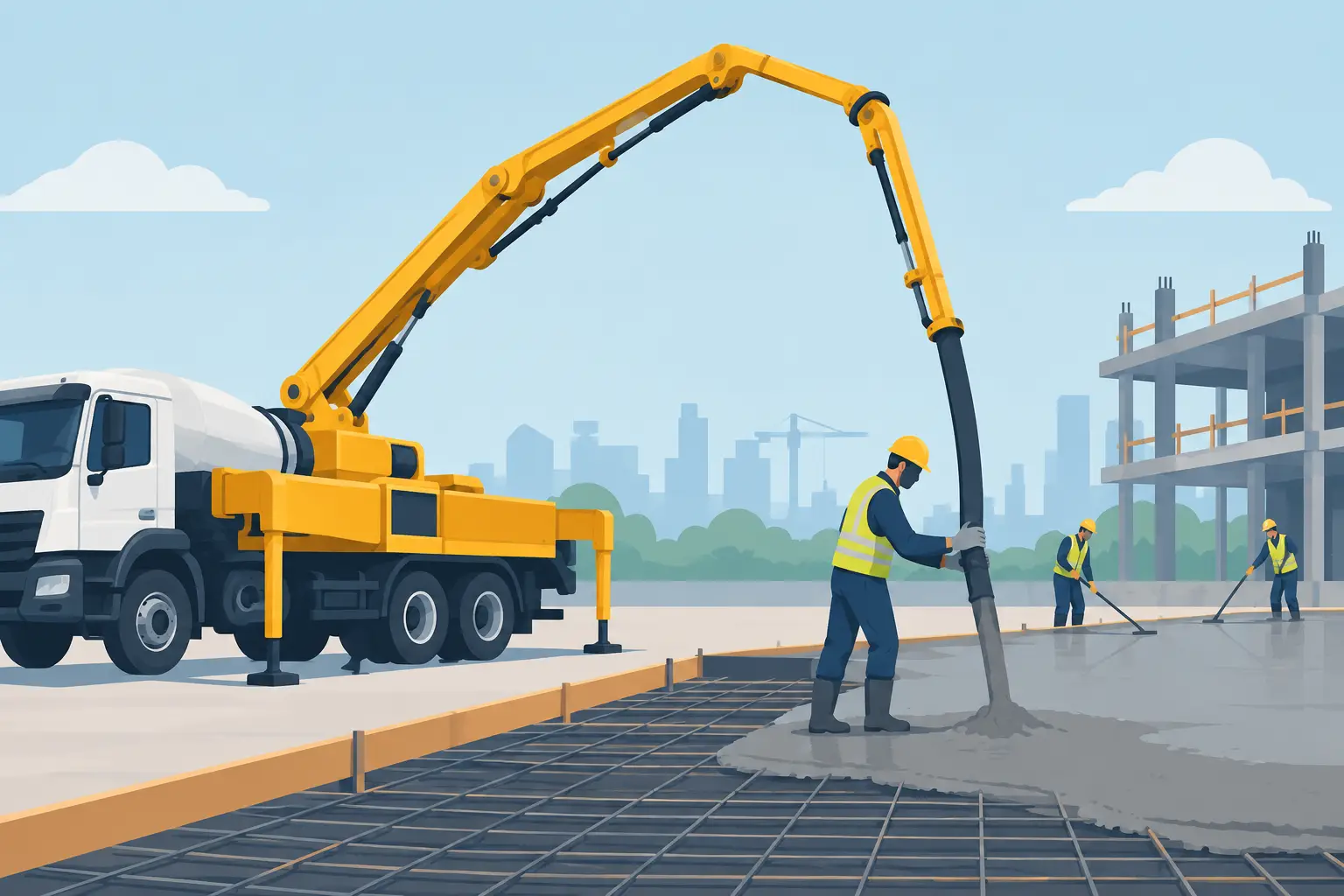
With a boom pump or line pump, concrete travels directly from the ready-mix truck to the pour location. A pump operator controls the flow while the placing crew directs the hose and works the concrete into its final position. The result is a smaller crew doing more productive work.
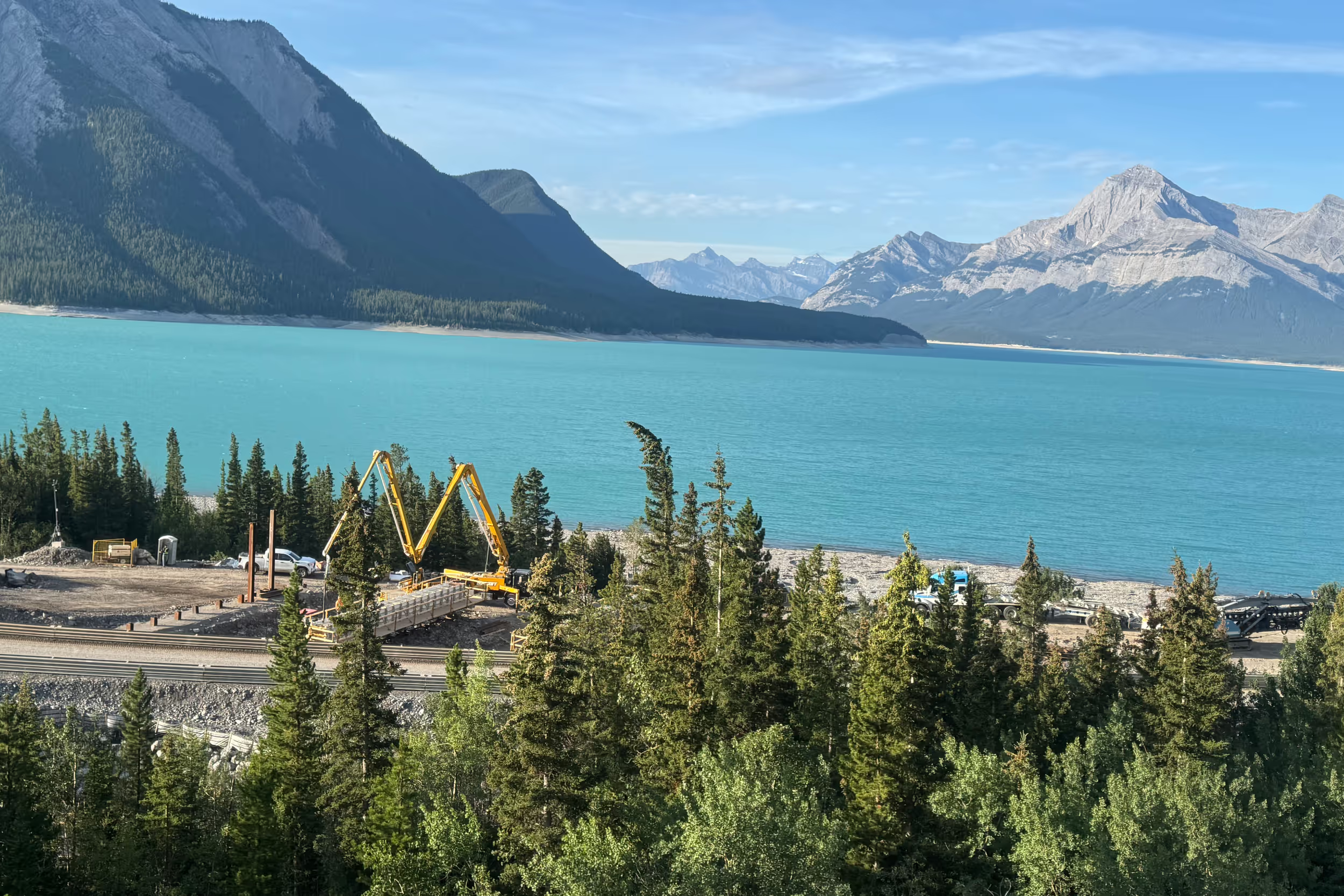
The labour savings are most noticeable when the job involves a long travel distance from the street, a difficult route around an existing building, or multiple pour locations. A boom can reach over a house, garage, excavation, fence line, or stockpile. A line pump can carry concrete through a restricted path where a truck cannot safely back in or extend a chute.
That does not mean every pour needs a pump. A small sidewalk beside open truck access may be handled efficiently by chute. Pumping earns its keep when manual handling would slow the pour, increase crew size, create cleanup, or make it harder to maintain steady placement.
Reduce Labor With Concrete Pumping Without Sacrificing Control
Speed matters, but uncontrolled speed causes problems. Concrete placed too quickly can overload forms, bury reinforcing steel, create cold joints, or leave finishers scrambling to keep up. The value of pumping is controlled production, not simply maximum output.
An experienced operator can regulate delivery to match the crew, the mix, and the work area. For a foundation wall, that may mean moving methodically around the forms to keep pressure even. For a slab, it means placing manageable amounts ahead of the screed crew rather than dumping piles that must be dragged across the surface.
This control reduces the amount of rehandling on site. Every time concrete is shoveled, raked long distances, or moved by wheelbarrow, the crew spends time and energy without improving the finished product. Direct placement lets workers concentrate on the details that affect strength, appearance, and schedule.
Put skilled workers on skilled work
Concrete labour is not all equal. A worker who understands consolidation, form pressure, slope, joints, and finishing should not spend most of the day pushing a loaded wheelbarrow. Pumping helps contractors use their experienced people where their judgment matters.
On a typical pumped pour, the crew can focus on hose control, vibration, screeding, edging, bull floating, and surface protection. Fewer people are required for transport, and the people on site can respond faster if conditions change. If a form needs attention or the mix begins to tighten, the crew is already at the work face.
This is also a safety advantage. Moving fresh concrete by hand is demanding work, especially on uneven ground or during Alberta weather swings. Reducing repetitive hauling can lower fatigue and reduce the chance of slips, strains, and rushed mistakes late in the pour.
Better Access Keeps the Pour Moving
Access is often the real reason a job needs a pump. Many residential and commercial sites have limited staging room, finished landscaping, narrow side yards, steep grades, or existing structures that block a direct truck route. Trying to force chute or wheelbarrow placement in those conditions can turn a straightforward pour into a slow, messy operation.
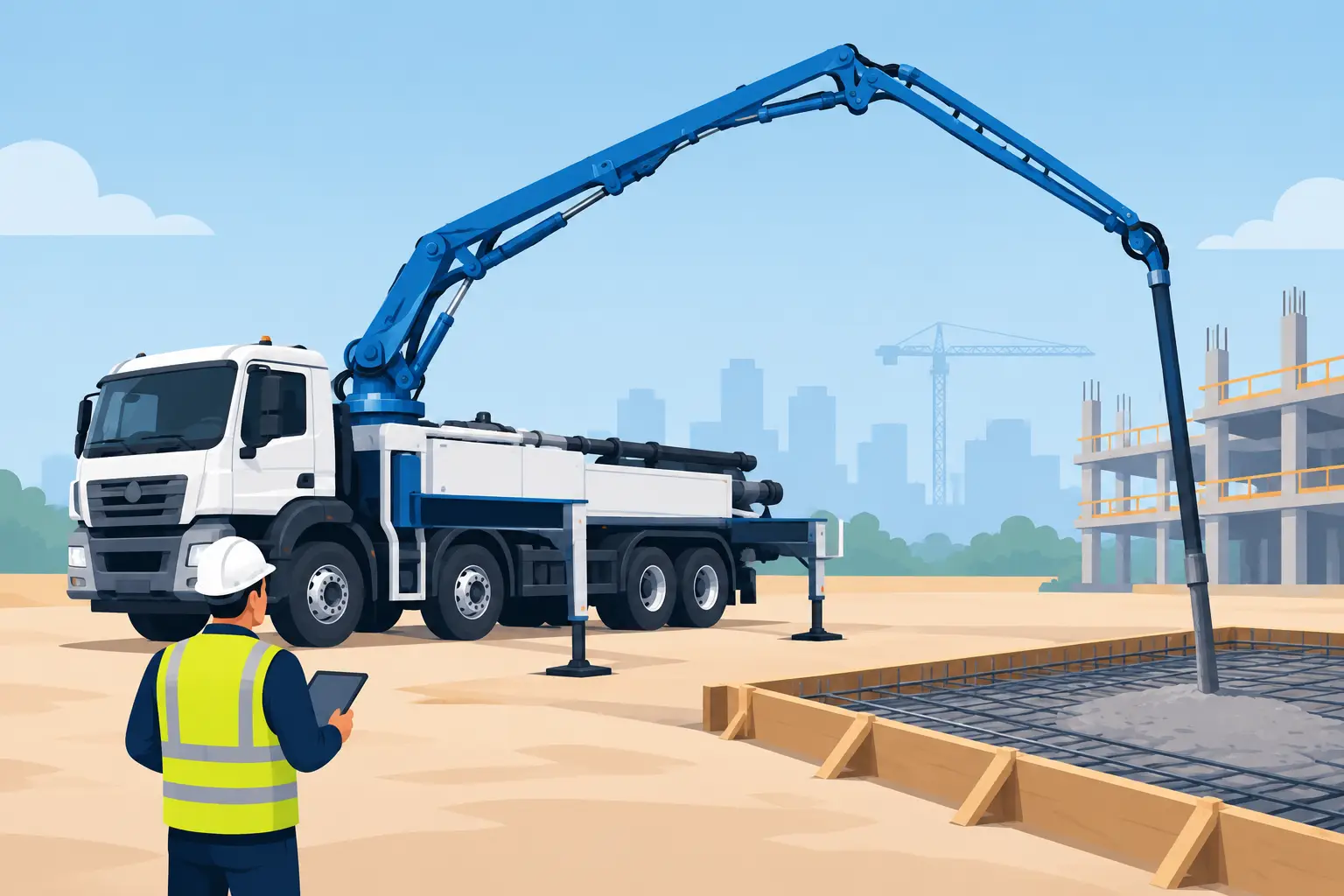
A boom pump provides broad coverage from a safe setup position. It is well suited to larger foundations, commercial slabs, elevated work, and sites where the truck must stay on the roadway or a designated hard surface. Compact roll-and-fold boom equipment can be a better fit where overhead clearance or setup space is limited.
For difficult-to-reach residential work, a truck-mounted 4x4 line pump can be the practical choice. It can place concrete into backyards, garages, shops, additions, and tight sites without sending a crew back and forth through the property. That protects finished areas and avoids turning access routes into concrete-tracked cleanup zones.
Bandit Concrete Pumping matches boom and line-pump equipment to the site instead of treating every job the same. The right pump configuration can make the difference between a clean, controlled placement plan and a crew fighting the site all day.
Labour Savings Start Before the Truck Arrives
A pump works best when the pour is planned around it. The crew should know where the pump will set up, where ready-mix trucks will stage, how the hose will move through the work area, and where the placement will begin and end. This planning prevents the common delays that erase labour savings.
Make sure access is clear for the pump and ready-mix trucks. Check overhead lines, soft ground, excavation edges, gates, low branches, and nearby traffic. On a boom job, allow room for safe outrigger setup. On a line-pump job, identify the route for the line and protect areas where hose movement could affect landscaping, siding, or finished surfaces.
The concrete mix also matters. Pumpable concrete must be specified for the placement method and job requirements. Aggregate size, slump, admixtures, air content, and fibre can all affect pumping performance. Discuss the mix with the concrete supplier and pump provider ahead of time, particularly for structural work, exposed finishes, or long line runs.
Crew coordination is just as important. Assign someone to communicate with the operator, someone to guide hose movement when needed, and enough finishers to stay ahead of the placement rate. The objective is not to use the fewest people possible. It is to use the right number of people without wasting labour on material transport.
Cost Is More Than the Pump Rate
Some contractors hesitate to book a pump because they compare its rate only against a crew already on payroll. That comparison misses the full job cost. Manual placement can require more workers, longer ready-mix truck time, additional cleanup, and more time before the crew can move to the next task.
There is also the cost of a disrupted pour. If workers cannot keep concrete moving, the crew may face inconsistent placement, delayed finishing, extra forming repairs, or avoidable material waste. Those costs are harder to see on an estimate but show up quickly in lost production and callbacks.
Pumping is not automatically the lowest-cost option for every small, open-access pour. It is usually the stronger value when access is poor, volume is significant, time is tight, or the site would otherwise require excessive handling. The best decision considers the entire placement plan, not only the equipment line on the invoice.
When a Smaller Pump Is the Better Tool
More reach is not always better. A large boom pump offers excellent coverage, but a compact boom or line pump may be faster to mobilize and easier to position on a restricted site. Forcing oversized equipment into a tight location can create unnecessary setup challenges and disrupt other trades.
A good pump plan starts with the actual job conditions: concrete volume, distance to the pour, vertical rise, site access, overhead clearance, hose route, and available setup area. Photos, site measurements, and a clear description of the work help determine the right equipment before pour day.
For contractors and property owners, the practical question is simple: where would workers otherwise spend their time moving concrete? If the answer involves repeated wheelbarrow trips, long hose drags, stairs, narrow gates, or placing around obstacles, pumping deserves serious consideration.
The best pours feel controlled from the first truck to the final washout. Plan the access, match the pump to the site, and keep your crew focused on placing and finishing concrete properly. That is where labour savings turn into better production and a cleaner jobsite.