(587) 703-6048

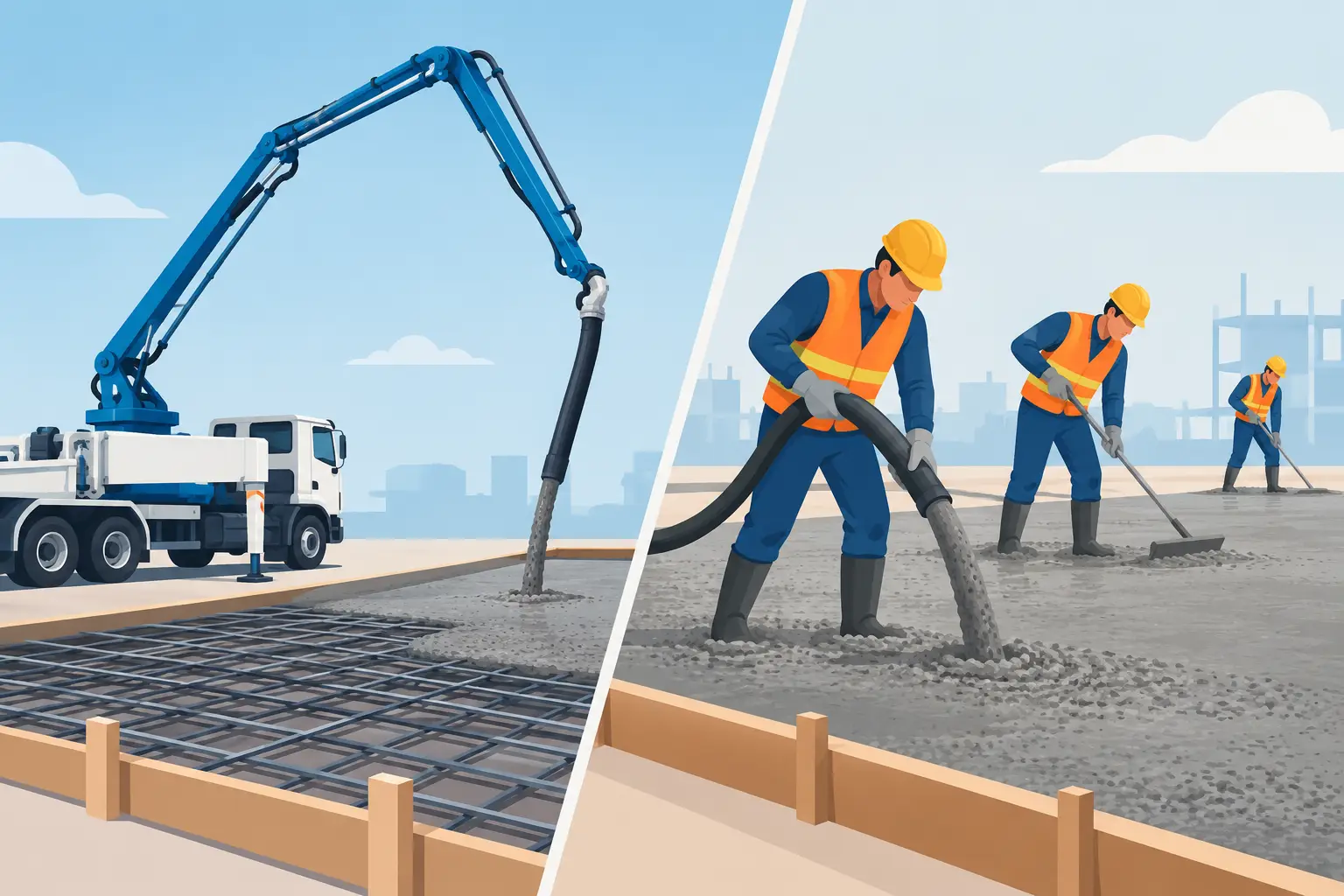
Pump Placement Versus Manual Placement on Concrete Pours

A concrete truck arriving on time does not guarantee a productive pour. If the crew is waiting on wheelbarrows, fighting a long chute run, or trying to move mud through a tight site, the clock is already working against the job. Pump placement versus manual placement is really a decision about access, crew efficiency, placement control, and how much risk a project can carry during the pour.
For a small, open slab with direct truck access, manual placement can still make sense. But once the pour extends beyond the truck's reach, involves elevation changes, restricted access, multiple forms, or a large volume of concrete, a pump can remove the bottlenecks that slow crews down. The right choice depends on the site, the pour sequence, the required finish, and the cost of lost time.
Pump Placement Versus Manual Placement: The Jobsite Difference
Manual placement generally means discharging concrete down the ready-mix truck chute, then moving it with wheelbarrows, skid steers, buggies, rakes, and labour. It is familiar, straightforward, and can be economical when the forms sit close to a truck-friendly access point.
The limitation is distance. A truck chute has a practical reach, and every foot beyond it adds handling. Concrete has to be moved, dumped, spread, and rehandled before the finishing crew can get it where it needs to be. That takes people, creates traffic around the forms, and can leave the crew racing against set time on a warm day or during a larger continuous pour.
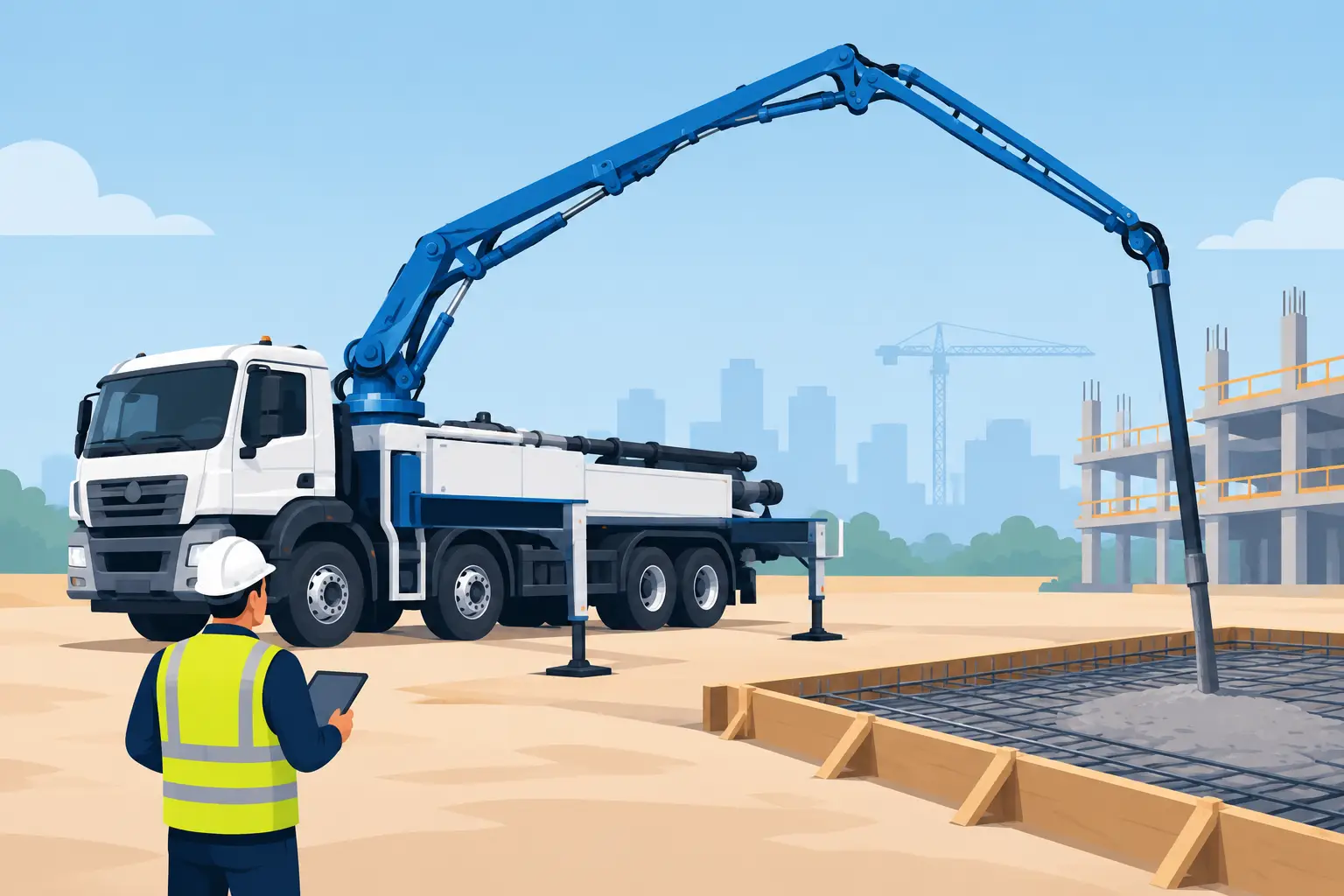
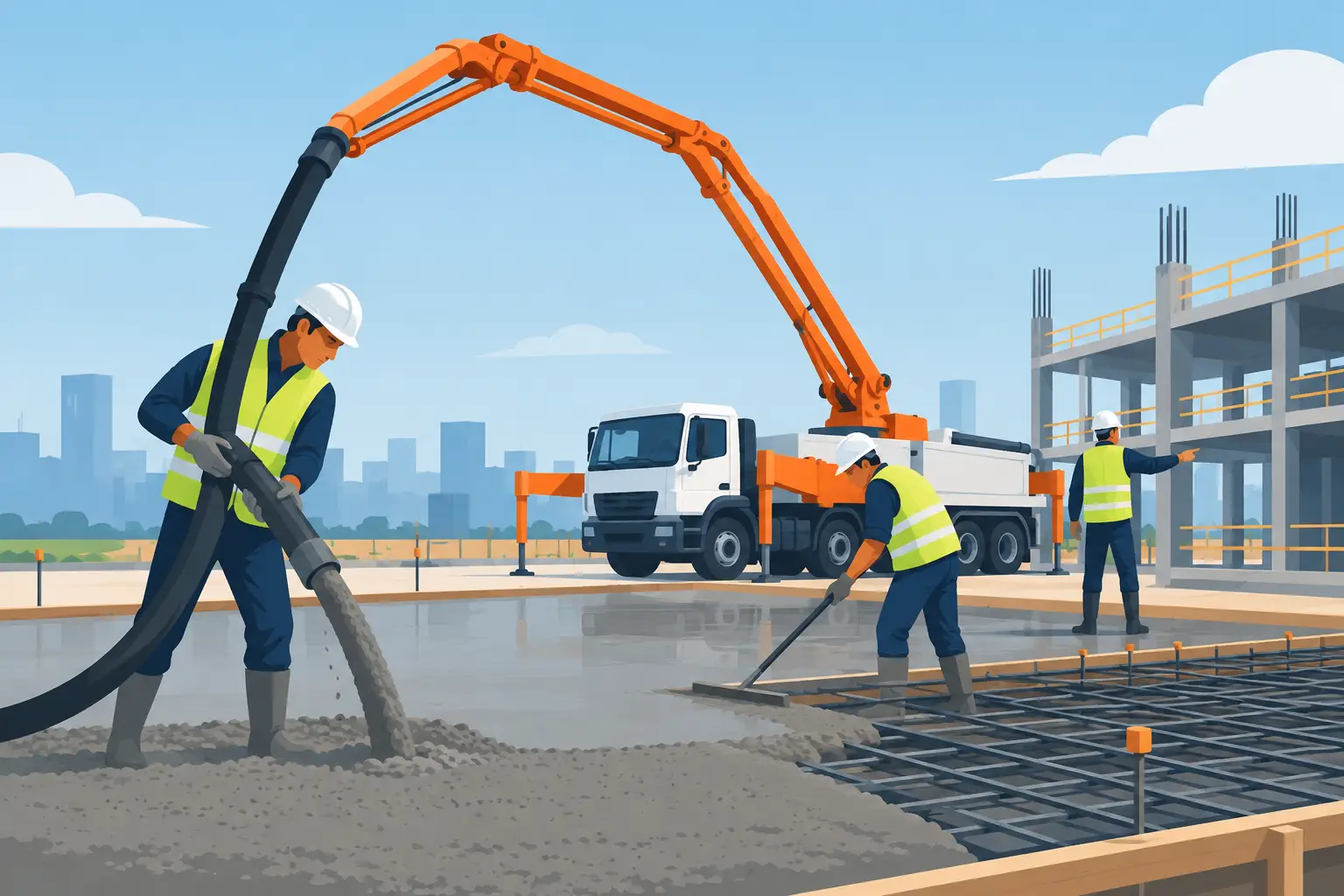
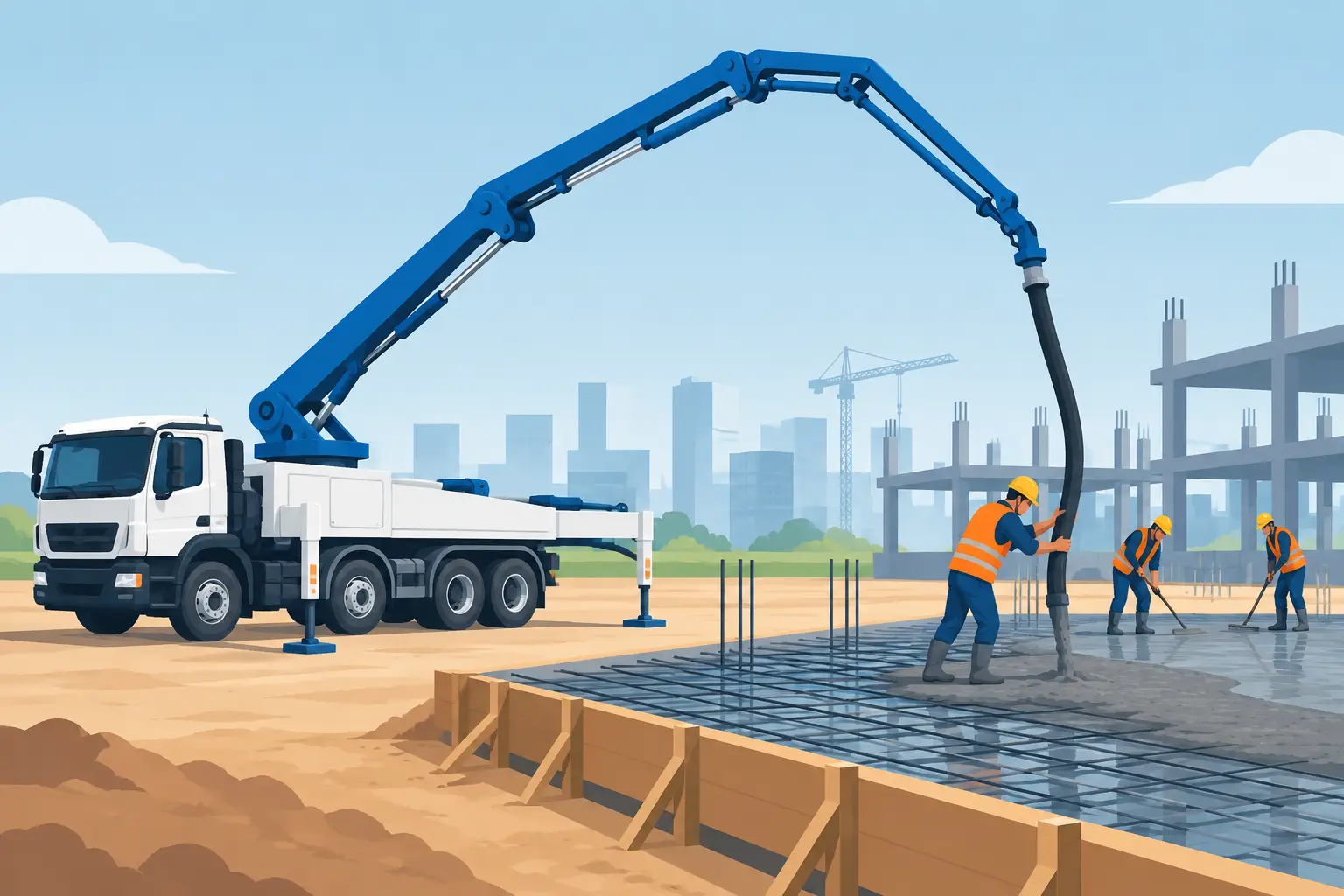
Pump placement moves concrete through a pipeline to the point of discharge. A boom pump can reach over homes, walls, excavations, and other obstacles, while a line pump can deliver concrete through hose where a truck and boom cannot position directly. The operator controls the flow, and the placing crew directs the hose to place material close to final grade.
That does not mean pumping replaces a concrete crew. Forms still need to be built properly, reinforcement needs to be ready, and finishers need to strike off, consolidate, edge, and finish the work. What pumping does is reduce unnecessary material handling so that skilled workers can focus on placement and finishing rather than hauling concrete.
Speed Is More Than Pour Rate
The most visible advantage of pumping is speed. A pump can place a steady volume of concrete directly into footings, walls, slabs, grade beams, pile caps, or elevated forms. Fewer stops to load and dump wheelbarrows means the crew can keep the pour moving and maintain a more consistent pace.
That consistency matters. Concrete work depends on timing. Delays between loads can create cold joints, leave finishers waiting, or force crews to work harder to blend new material into concrete that is already beginning to set. A steady pump pour helps the team manage the load sequence, especially on foundations and slabs where continuity affects the finished result.
Manual placement can be quick on the right job. If a small garage pad is beside a clear driveway and the truck can chute directly into the forms, setting up a pump may not offer enough benefit to justify it. But a wide slab, a rear-yard foundation, or a commercial pour with several placement zones tells a different story. In those situations, the time saved is often not just in placing concrete. It is saved in reduced setup around the pour, less crew fatigue, fewer interruptions, and less cleanup afterward.
Access Often Decides the Method
Access is where the gap between pumping and manual handling gets clear. Alberta jobsites are rarely ideal. There may be soft ground, narrow side yards, mature landscaping, utility lines, stockpiled material, fencing, neighbouring buildings, or a partially completed structure in the way.
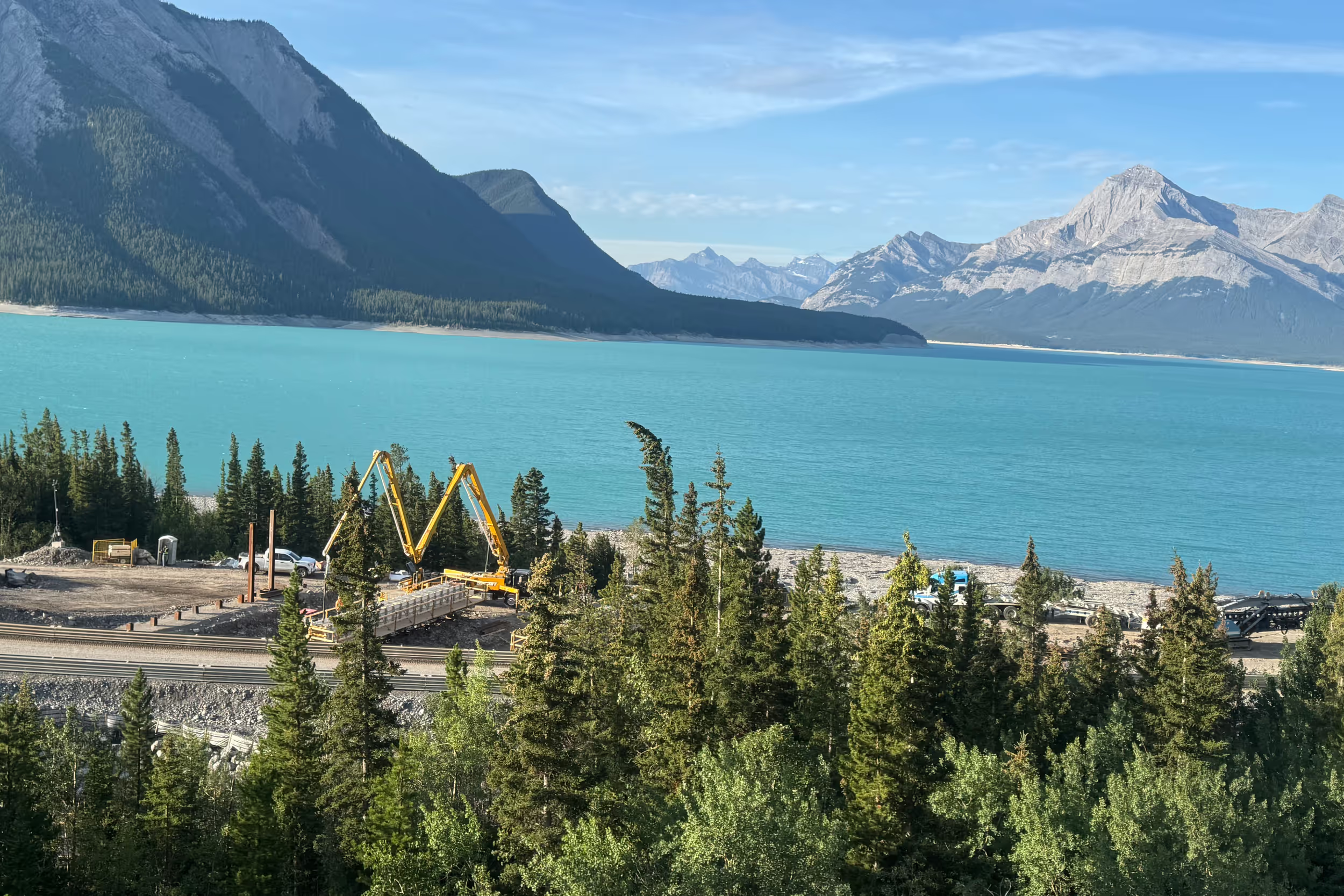
A pump gives the placing crew options. A boom pump can deliver concrete over obstacles and cover a broad working area without moving the ready-mix truck around the site. Compact boom configurations are useful where setup space is tight. A truck-mounted line pump can run hose into areas that need precise delivery, including behind homes, through restricted access routes, or around structures where a boom is not the best fit.
Manual placement makes sense only when the access route can support it. If wheelbarrows have to travel across loose soil, uneven grades, narrow pathways, or finished landscaping, production slows quickly. The route also needs to stay clear throughout the pour. One blocked path can stop the entire chain between the truck and the forms.
Before choosing a method, look beyond where the concrete truck will park. Consider where the material must land, how the crew will move around the forms, whether the route stays usable if weather changes, and whether the truck can leave and the next load can arrive without disrupting the site.
Labour, Cost, and the Real Price of Rehandling Concrete
Manual placement can look less expensive on the quote because there is no pump charge. That comparison is incomplete if the job requires several labourers to move concrete all day. Labour costs, overtime, fatigue, slower production, and cleanup all belong in the calculation.
Pumping adds equipment and operator cost, but it can reduce the number of people needed for hauling and allow the placing crew to work more efficiently. On larger pours, that can improve cost control. It can also help a contractor schedule crews more accurately rather than adding labour at the last minute to keep up with concrete delivery.
The best approach is not to assume a pump is automatically cheaper per cubic metre. A pump has setup requirements, and a poorly planned setup can waste time. The question is whether the pump improves the total pour outcome: fewer labour hours, faster placement, better access, less rehandling, and lower risk of delays.
For homeowners, this is especially relevant on backyard projects, additions, garages, and shops. A wheelbarrow route may look manageable before the truck arrives. Once concrete starts coming down the chute, however, the volume and pace become very real. Pumping can protect landscaping, reduce traffic through the property, and avoid turning a simple access problem into a long, labour-heavy pour.
Placement Accuracy and Finished Quality
Concrete should be placed as close as possible to its final position. Moving it repeatedly with shovels, rakes, or wheelbarrows takes time and can make it harder to maintain consistent levels. It also creates more opportunities to disturb reinforcement, damage forms, or leave the crew with too much material in one area and not enough in another.
A pump hose lets the placing crew direct concrete into the target area with better control. That is useful in narrow footings, deep wall forms, heavily reinforced sections, stepped foundations, and slabs with several grades or thickened edges. The hose can be moved along the pour so concrete is distributed more evenly rather than piled in one spot and pushed long distances.
Good placement still requires discipline. Pumping too fast, dropping concrete from excessive height, or failing to coordinate the hose operator with the finishing crew can cause problems. The operator, concrete contractor, and ready-mix supplier need to work from the same plan. Mix design, slump, aggregate size, hose routing, pour order, and washout location should all be considered before the first truck is dispatched.
Cleanup and Site Protection Matter
Concrete placement does not end when the forms are full. Manual methods can leave wheel tracks, spilled material, washout mess, and a heavily travelled route across the site. On an active build, that can interfere with other trades and add avoidable cleanup.
A properly planned pump setup keeps the material path more controlled. The truck and pump are positioned where they can work safely, and the hose carries concrete to the pour area. There is still washout and normal concrete-site cleanup to manage, but there are fewer wheelbarrow trips and fewer chances to spill concrete across driveways, yards, or finished areas.
This is one reason experienced pump operators matter. Safe outrigger setup, awareness of overhead hazards, clear communication with the ready-mix driver, and careful hose handling protect people and property while keeping the pour productive. Bandit Concrete Pumping matches pump configuration to the site so crews are not forcing the wrong equipment into the job.
When Manual Placement Is Still the Right Call
Pumping is not required for every concrete pour. Direct chute placement is often practical for a small project with open access and forms close to the truck. A short, uncomplicated pour may be completed efficiently with a capable crew and minimal material movement.
Manual placement can also be the better option where pump setup space is unavailable or where the volume is too small to support mobilization. The key is to assess the full route honestly. If the plan depends on repeated wheelbarrow runs over distance, through a narrow gate, across rough ground, or around obstacles, it is worth pricing a pump before committing the crew.
For larger foundations, hard-to-reach slabs, commercial work, agricultural builds, and pours where timing matters, pumping usually gives the contractor more control. It places concrete where it is needed, keeps labour focused on skilled work, and helps the job stay on schedule.
Before the pour is booked, walk the route from truck parking to the farthest placement point. That simple check will usually show whether a chute and wheelbarrows are enough, or whether a pump is the tool that keeps the crew moving.