(587) 703-6048

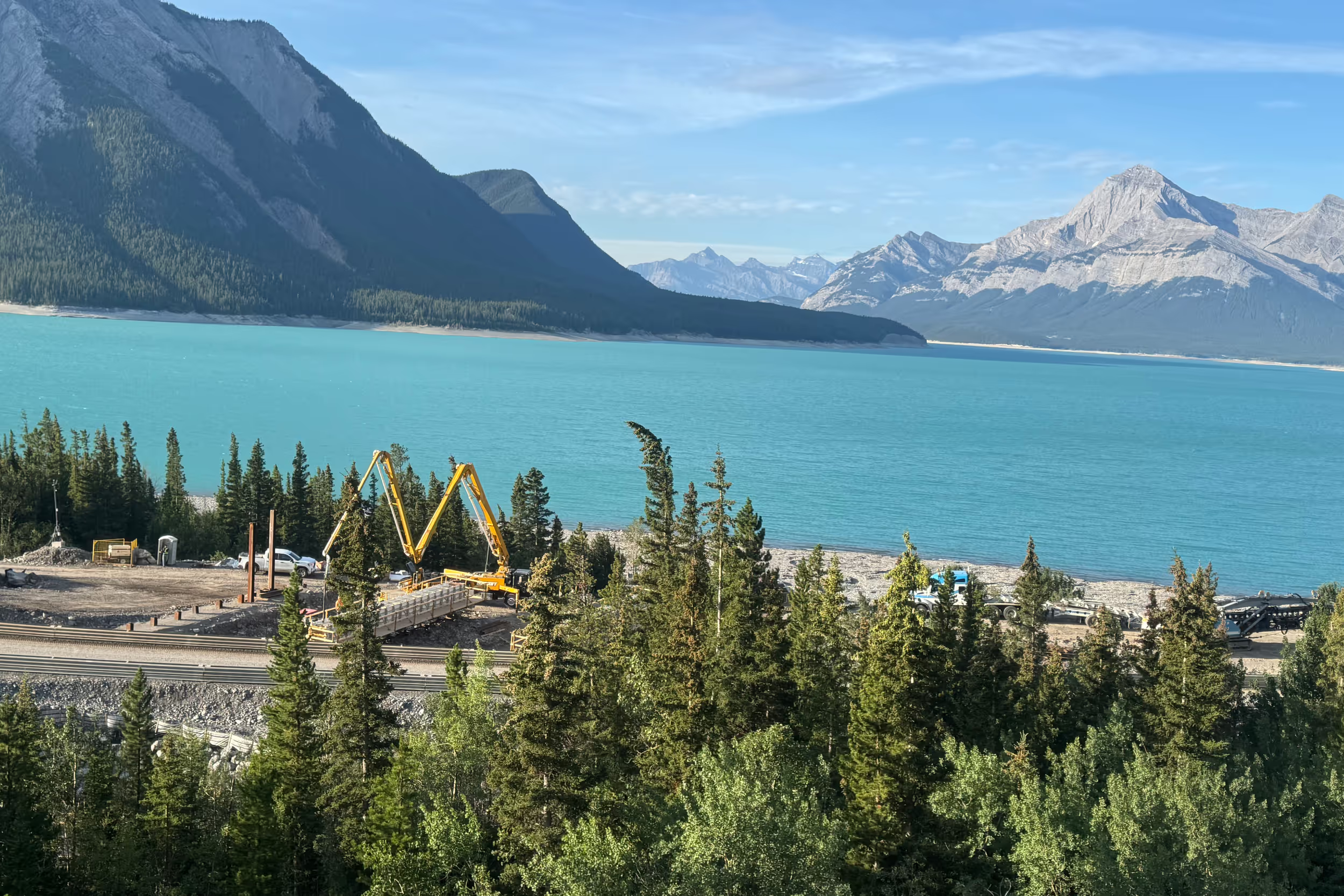
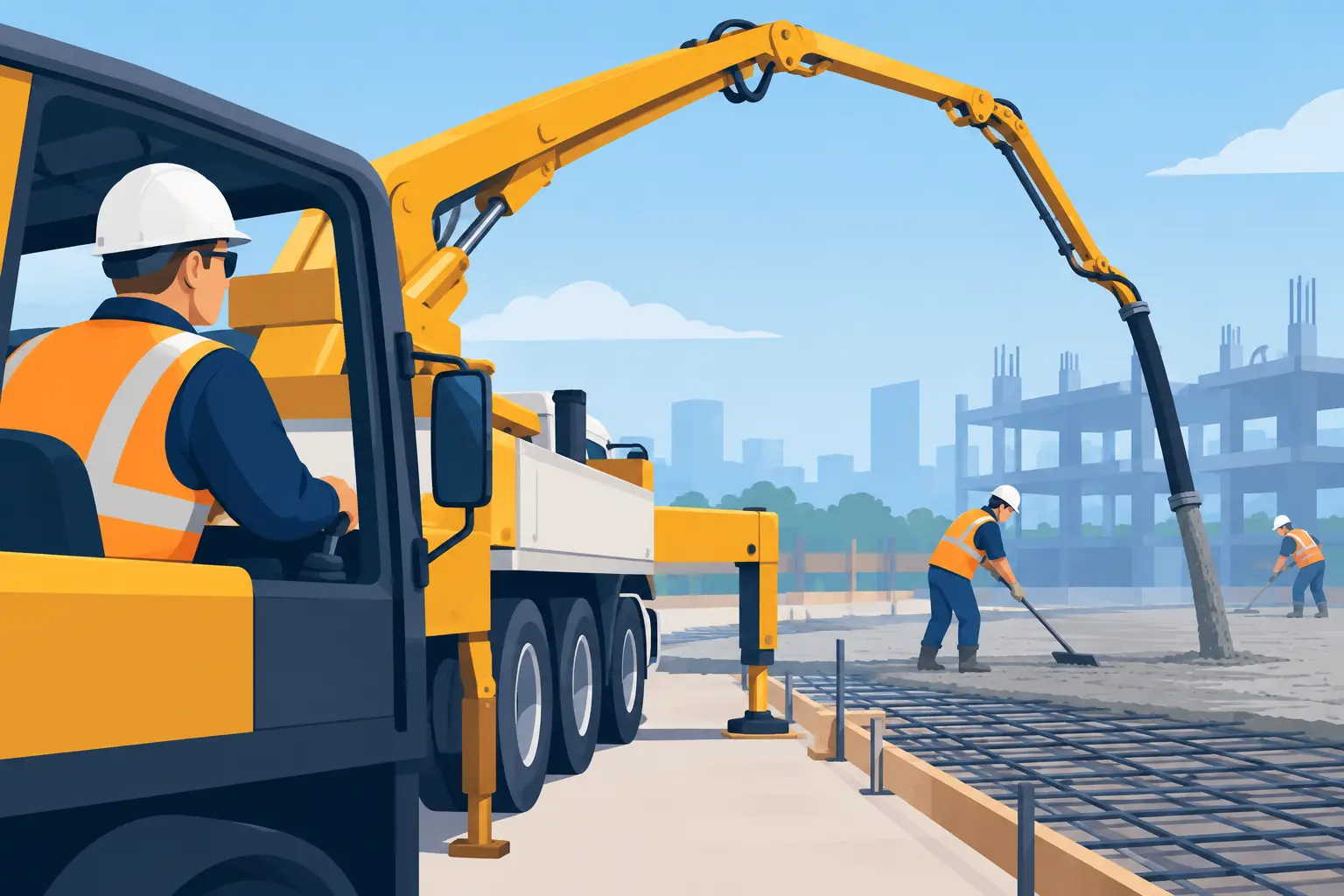
Pump Operators Keep Concrete Pours on Schedule

A concrete pour can be ready on paper and still lose time fast once the trucks arrive. Tight access, a long haul from the street, changing grades, soft ground, congested forms, and a short finishing window all put pressure on the crew. Skilled pump operators turn those jobsite constraints into a controlled placement plan, keeping concrete moving where it needs to go without turning the pour into a labour scramble.
For contractors and builders across Central Alberta, the pump is only part of the service. The operator controls the pace, positions the boom or line safely, works with the placing crew, and responds when site conditions are not quite what the drawing suggested. That experience has a direct effect on production, cleanup, finish quality, and whether the next trade can get moving when planned.
What Pump Operators Actually Control on a Pour
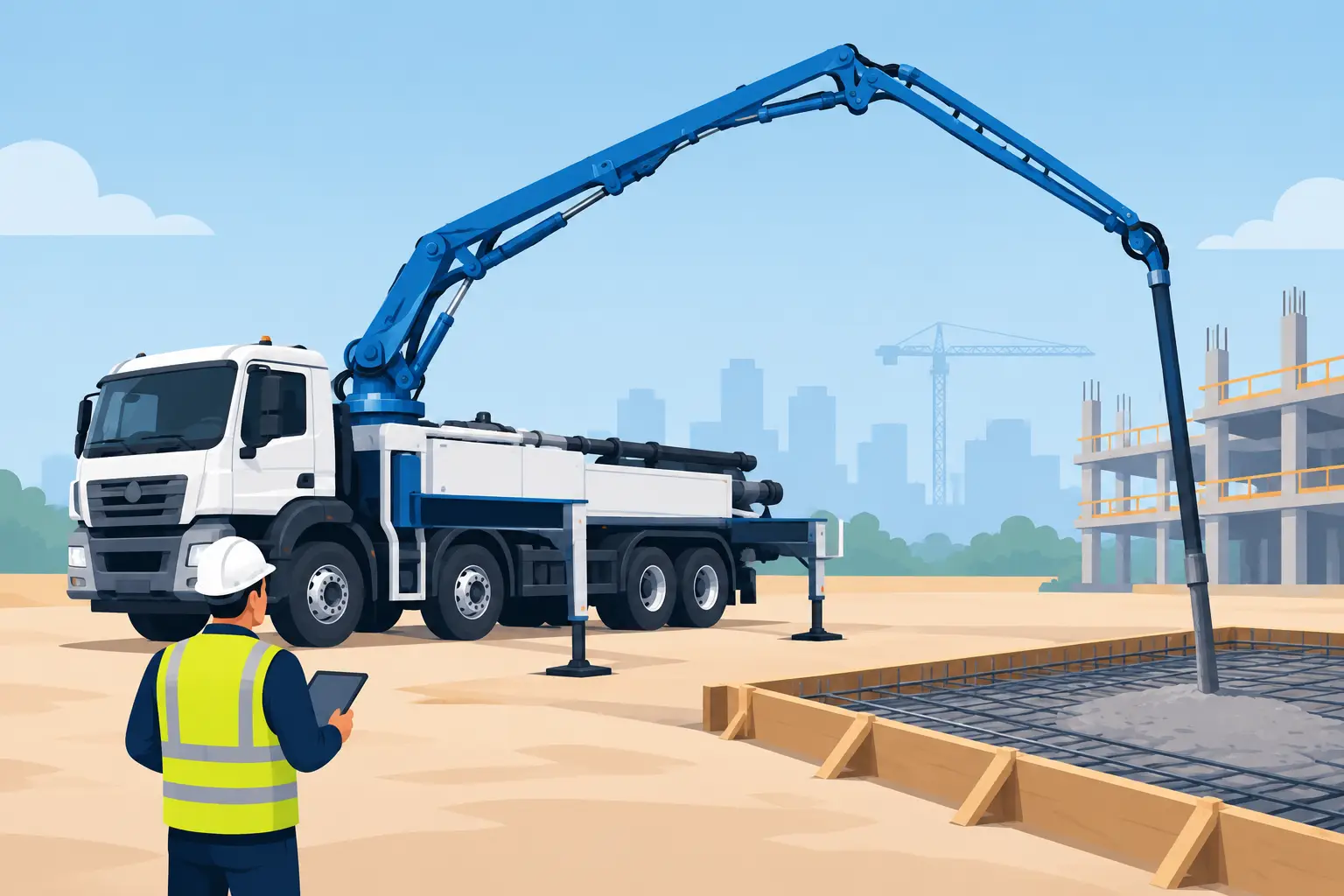
A pump operator does more than unfold a boom and start pumping. Before concrete placement begins, they assess truck access, outrigger locations, overhead hazards, ground conditions, hose routing, and the reach required to cover the work. On a busy site, those decisions need to happen quickly, but they cannot be rushed.
During the pour, the operator manages flow to suit the work in front of them. Footings, walls, suspended slabs, and large pads each demand a different pace. Push too much concrete too quickly and the crew can lose control of the placement, create unnecessary rework, or make finishing harder. Move too slowly and cold joints, truck delays, and added standby time become real concerns.
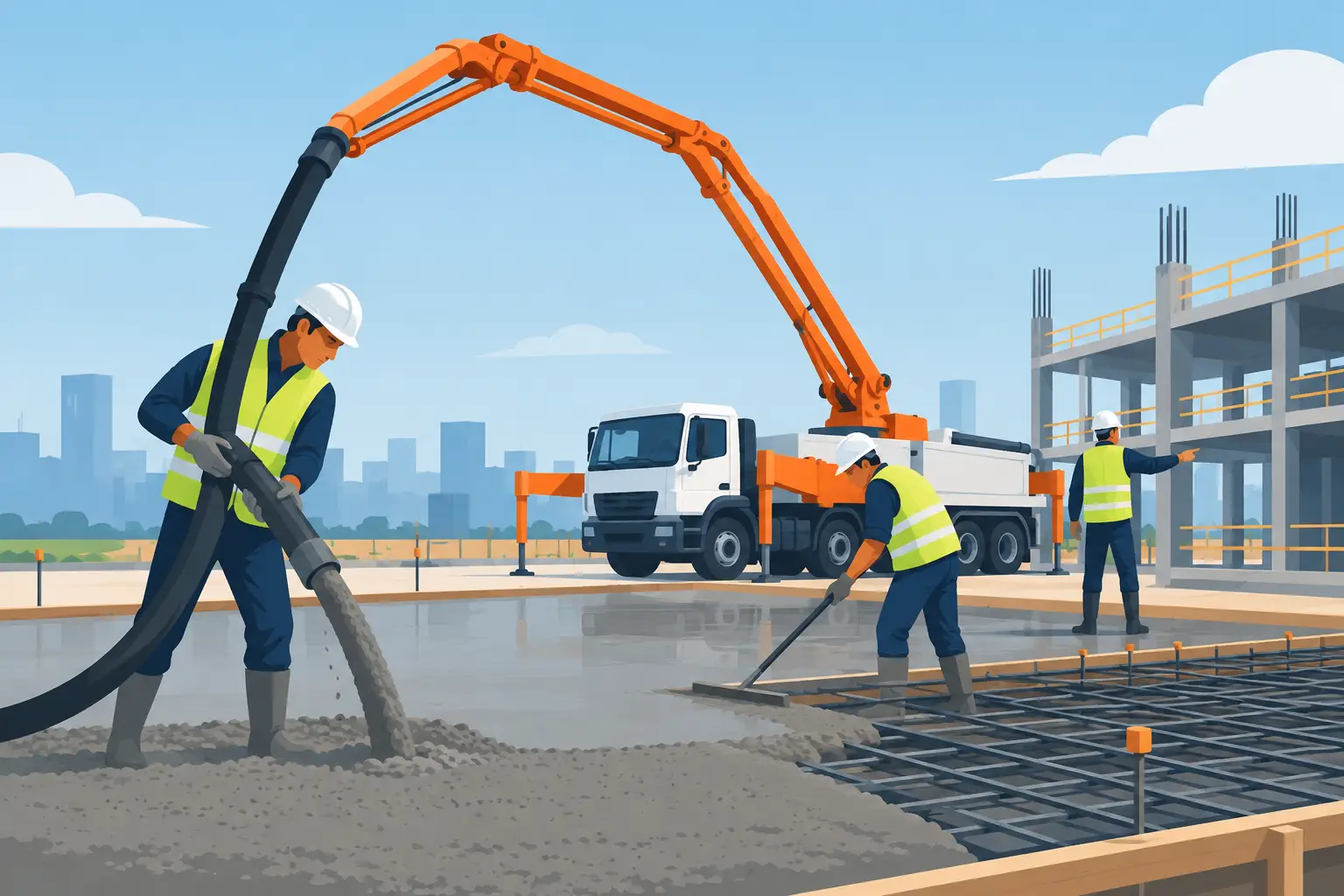
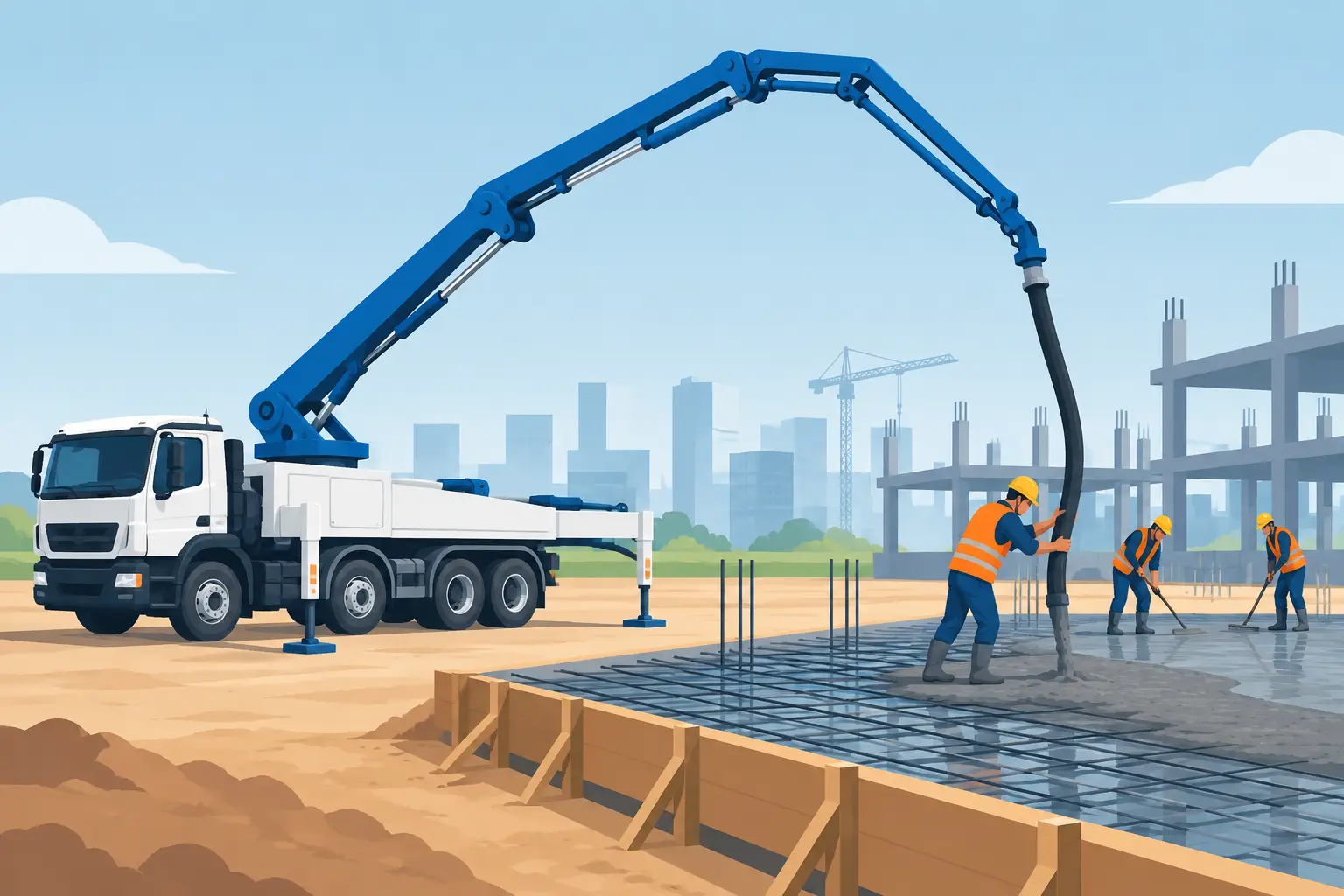
The best operators stay in step with the crew placing and finishing the concrete. They watch where material is going, communicate clearly with the hose handler, and adjust output as conditions change. That coordination matters on every job, but especially when placing concrete around dense rebar, into narrow forms, or across a large area that must be kept consistent for finishing.
Safe setup is part of productive setup
A pump truck needs a stable, properly planned setup area. Outriggers must be placed on suitable ground with adequate support, and the machine must be clear of overhead power lines, structures, excavations, and moving site traffic. A good operator will ask direct questions before arriving because surprises at setup are expensive.
This can occasionally mean changing the truck position, protecting a surface, or arranging for a different access route. That is not a delay for the sake of caution. It is how crews avoid the far bigger delay of an unsafe setup, a blocked pour path, or equipment that cannot reach the final placement area.
Choosing the Right Pump for the Job
The right pump configuration depends on the pour, not just the yardage. A high-reach boom pump can cover a broad section of a commercial slab, reach over a house, or place concrete where ready-mix trucks cannot get close. It reduces manual handling and keeps the placing crew focused on their work instead of moving material by wheelbarrow.
Compact roll-and-fold boom equipment is often the better choice on residential lots, infill sites, and restricted-access projects. It can work effectively where turning room, neighbouring buildings, trees, or overhead obstructions limit larger equipment. Compact does not mean compromised. It means matching the machine to the actual site.
A truck-mounted 4x4 line pump can be the practical answer for difficult locations, including backyards, rural properties, agricultural work, and projects where a boom truck cannot set up safely. Line can be run through or around obstacles to reach foundations, garages, shops, pads, and other placement areas. The trade-off is that line pumping requires a planned hose route and enough crew support to manage it properly.
At Bandit Concrete Pumping, equipment selection is based on access, reach, volume, and the placement work required. That approach helps avoid paying for more pump than the job needs while ensuring the selected unit can complete the pour efficiently.
How Experienced Pump Operators Protect Your Schedule
Concrete is time-sensitive. Once trucks are loaded and the site crew is in place, every interruption has a cost. An experienced operator protects the schedule by helping prevent the common problems that slow down placement.
First is setup uncertainty. When the pump arrives to a clear, prepared area with confirmed access and a planned position, the crew can get ready to place rather than solve parking and reach problems at the last minute. Second is inconsistent flow. Operators who understand the pace of the pour can keep concrete moving steadily without burying the crew.
Third is communication. Ready-mix drivers, site supervisors, hose handlers, finishers, and pump operators all need to work from the same plan. Clear communication about truck spacing, pour sequence, slump requirements, and expected volume keeps the operation controlled from the first load to the washout.
There is also a quality benefit. Consistent placement helps crews consolidate and finish concrete properly. On slabs, that can mean fewer disruptions in the finishing process. On walls and footings, it can help keep forms filled evenly and reduce the temptation to move concrete excessively after it lands.
Prepare the Site Before the Pump Arrives
Most pumping delays are preventable. A short pre-pour conversation can confirm whether the site is ready for the selected pump and give everyone a realistic plan for the day. Before booking or confirming a pump, make sure the site team can answer these questions:
- Where will the pump truck enter, turn around, and set up?
- Is the setup ground firm, level enough, and clear of open excavations?
- Are there overhead power lines, trees, rooflines, or other obstructions?
- How far is the furthest placement point from the available truck position?
- Is there a clear route for ready-mix trucks to approach, discharge, and leave?
- Who will direct site traffic and communicate with the operator during the pour?
Photos, site drawings, and a straightforward description of the access can prevent a lot of uncertainty. This is particularly useful on acreage properties, new subdivisions with limited road access, tight urban lots, and industrial sites where other work continues around the pour area.
Do not overlook washout and cleanup planning. Concrete pumping is cleaner than hauling material across a site by wheelbarrow, but the operation still needs a designated area for washout and a crew prepared to manage hoses, forms, and traffic. A clean plan at the end of the pour protects the site and keeps the next task from starting behind schedule.
When a Pump Is Worth It
For a small, open pour with direct truck access, a chute may be enough. Pumping is not automatically the right answer for every load of concrete. But when access is limited, the work area is beyond chute reach, elevation is involved, or the crew would otherwise spend hours moving concrete manually, a pump often pays for itself in labour savings and better production.
The value is not only speed. A pump gives the placing crew more control over where concrete lands. That reduces unnecessary handling, helps protect landscaping and finished areas, and can make a difficult pour more predictable. On larger pours, that predictability is often what keeps ready-mix deliveries, finishing crews, and the rest of the project aligned.
For homeowners, the difference can be especially noticeable on a garage, shop, addition, basement, or backyard project. Instead of running wheelbarrows through a narrow side yard or over uneven ground, concrete can be placed closer to its final position. For contractors, it means fewer people tied up moving material and more people available to place, vibrate, screed, and finish it correctly.
The Operator Is Part of the Crew
A pump truck is valuable equipment, but it does not replace planning or workmanship. The operator becomes part of the pour team for the day, bringing knowledge of the machine, practical placement experience, and a clear view of the site from setup through cleanup.
Give your pump operator accurate site information, maintain a clear line of communication, and assign a capable person to guide placement where needed. That preparation lets the operator do what they are there to do: put concrete where the job needs it, at the pace your crew can handle, and without creating avoidable problems for the work that follows.