(587) 703-6048

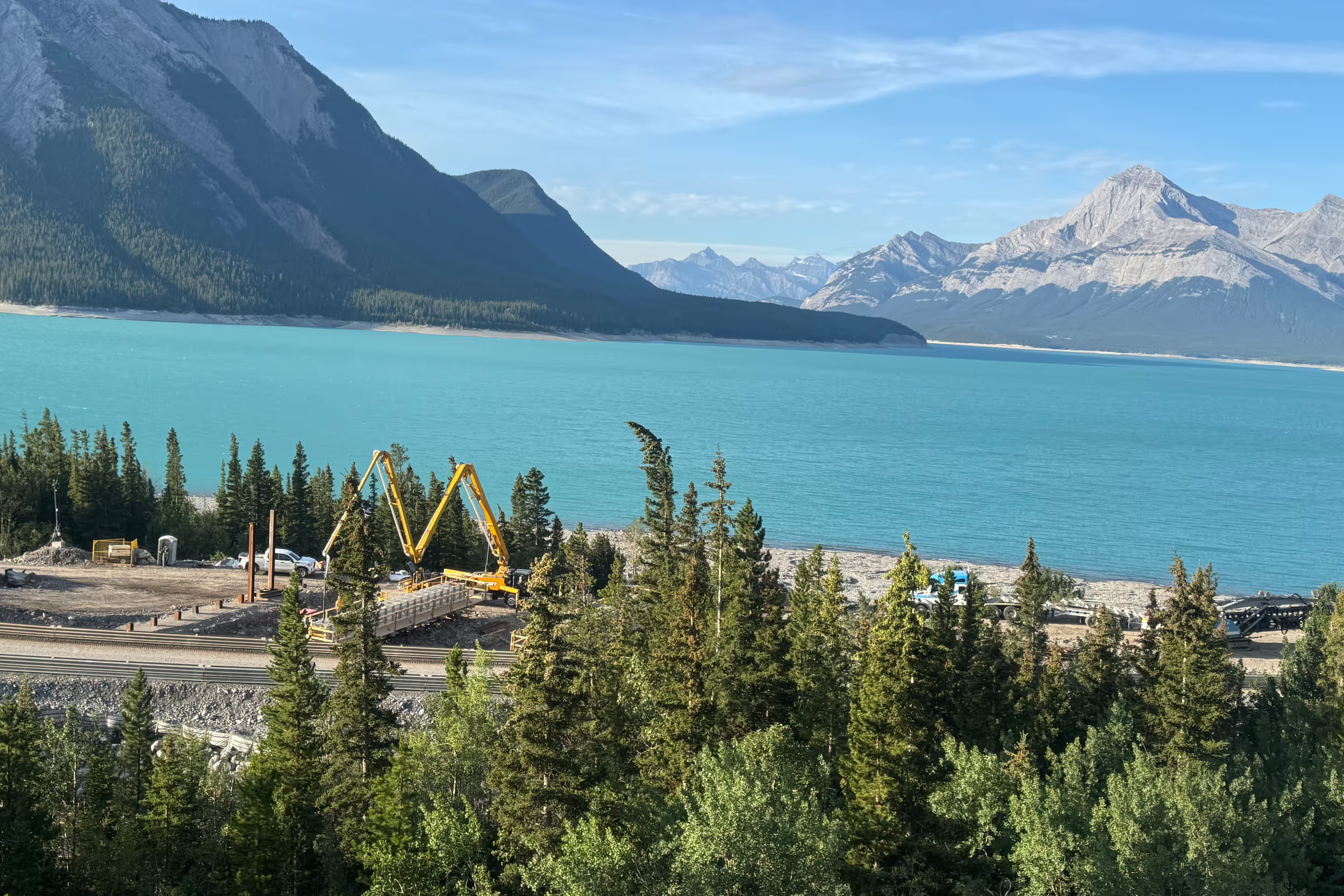

How to Prepare Your Site for Concrete Pumping

A concrete pump can put concrete where the chute, wheelbarrows, and extra labour cannot. But the pump truck only works as well as the site is prepared. To prepare a site for concrete pumping, the basics need to be handled before the truck arrives: access, ground conditions, forms, crew coordination, and a clear plan for where concrete will travel.
Good preparation keeps the pour moving at the pace the concrete crew needs. It also helps avoid the costly delays that happen when a pump is parked in the wrong spot, an outrigger has nowhere safe to land, or the ready-mix trucks cannot reach the hopper.
Prepare the Site for Concrete Pumping Before Pour Day
Start by looking at the job as a complete route, not just the slab or foundation being poured. The pump truck needs a safe place to set up. Ready-mix trucks need room to approach, discharge, and leave. The placing crew needs clear paths around the forms, along with a practical way to move hose where required.
A quick site walk with those questions in mind can prevent most problems. If the project has restricted access, a steep lot, soft ground, overhead lines, or a long placement distance, discuss it when booking the pump. The right setup may be a boom pump with broad reach, a compact boom for tighter residential access, or a line pump for precise placement where a larger truck cannot get close.
The site also needs to be ready when the pump is scheduled. Concrete has a working window, and a late excavation, unfinished forms, or crew that is still setting grade pins can turn a controlled pour into a rushed one.
Confirm truck access and turnaround space
Pump trucks and concrete mixers are heavy equipment. The access route should be wide enough, firm enough, and clear of parked vehicles, material piles, low branches, gates, and temporary obstacles. Check the entire route from the public road to the setup area, not only the final parking location.
Residential jobs often run into trouble at narrow driveways, soft shoulders, tight corners, or shared lanes. On commercial and industrial projects, common issues include active deliveries, site fencing, stockpiles, and traffic that has not been redirected for the pour. Assign someone to keep the route clear while trucks are arriving.
Turnaround room matters too. If trucks cannot turn around safely, plan a backing route that is open, visible, and managed by a competent spotter. Never assume a loaded mixer can cross loose fill, fresh gravel, or a wet lawn without consequence.
Provide stable ground for outriggers
Boom pumps use outriggers to stabilize the truck while the boom is operating. Those outriggers require firm, level support. Soft ground, uncompacted backfill, saturated soil, trenches, utility corridors, and recently disturbed areas may not safely support the load.
Remove snow and ice where possible, especially on Alberta winter pours. Frozen ground can appear solid in the morning and soften quickly once temperatures rise. Plywood or suitable outrigger pads may be needed to spread the load, but pads do not make unstable ground safe. If there is any uncertainty about buried services, voids, septic systems, or ground bearing capacity, address it before the pump arrives.
Keep the setup area level enough for safe operation and leave room for the operator to deploy outriggers fully. Parking too close to a building, fence, retaining wall, or material pile can restrict setup and reduce the pump's usable reach.
Check Forms, Base, and Reinforcement
A pump delivers concrete quickly. Forms and subgrade need to be ready to take that pace. Walk the work area before the scheduled pour and make sure forms are braced, straight, clean, and properly sealed. Weak forms can move or blow out when concrete is placed too fast in one area.
Confirm that the base is compacted, elevations are checked, reinforcement is tied and supported, and any vapour barrier, insulation, drains, sleeves, anchor bolts, or embeds are in place. Once pumping starts, stopping to locate a missing plumbing stub or straighten a shifted form costs time and can affect the finish.
For walls, columns, and deep footings, make sure the crew has a placement sequence. Concrete should be distributed evenly rather than concentrated in one location. The pump operator follows direction from the placing crew, but the crew needs to know where to start, how to advance, and when to slow down.
Plan safe access for the placing crew
The hose and boom make placement easier, but the crew still needs safe footing and room to work. Clear loose lumber, rebar offcuts, packaging, tools, and debris from travel paths. Provide proper access around foundation walls, inside excavation areas, and along slab edges.
Where work is below grade, confirm that the excavation is safe, access is available, and no one is working beneath a suspended boom or hose. Keep unnecessary personnel out of the pumping area. A single designated person should communicate placement directions to the operator, particularly on larger pours where visibility is limited.
Have the right finishing tools, vibrators, screed equipment, rakes, boots, washout provisions, and curing materials on site before the first truck discharges. A pump keeps concrete moving. The finishing operation has to keep up.
Coordinate Concrete Delivery With Pump Capacity
Pump scheduling and ready-mix scheduling must work together. The pump hopper should receive concrete at a steady rate, without long gaps and without a lineup of trucks waiting unnecessarily. Discuss the expected volume, concrete mix, slump, fibre content, aggregate size, and delivery rate with the concrete supplier and pump provider before pour day.
Not every mix pumps the same way. A mix designed for a particular structural requirement may need to be reviewed for pumpability, especially when fibre, specialty additives, lightweight aggregate, or lower slump specifications are involved. Do not make last-minute mix changes without confirming they are suitable for the planned equipment and line configuration.
For a small garage pad, one or two mixer loads may be simple to manage. A large slab, retaining wall, or commercial foundation needs a tighter truck sequence. Build some flexibility into the schedule for traffic, weather, and plant delays, but avoid leaving the pump and crew waiting between loads.
Manage Overhead Hazards and Site Obstacles
Overhead power lines are one of the first things to identify. A concrete pump boom must maintain required clearances from energized lines at all times. Measure the location of lines, account for the boom's working arc, and contact the utility when conditions require additional planning. Do not rely on visual estimates.
Also flag trees, roof overhangs, scaffolding, cranes, telehandlers, temporary power, and other equipment that may interfere with boom movement. The operator needs a clear path to place concrete safely, but that path can change as the jobsite becomes crowded.
Underground utilities deserve the same attention. Know where services run before driving or setting outriggers near them. This is especially relevant on acreage, agricultural, and infill sites where prior work may not be obvious from the surface.
Set Up for a Clean Finish and Cleanup
Concrete pumping reduces wheelbarrow traffic and material waste, but every pour still needs a cleanup plan. Designate a washout location that is accessible, contained, and away from drains, ditches, watercourses, and finished landscaping. Keep it close enough to be practical without blocking mixer traffic.
Protect finished surfaces that could be marked by truck traffic, hose movement, or concrete splash. If the pump must cross a driveway, sidewalk, or landscaped area, discuss protection and routing before the crew arrives. It is easier to place mats or adjust the setup than to repair damaged concrete or turf afterward.
After the pour, leave enough space for equipment to be cleaned out and safely loaded for departure. Do not stack forms, pallets, or equipment behind the pump truck while it is still working.
A Better Pour Starts With a Clear Plan
The best pump pours feel organized because the work was organized before the first mixer arrives. Clear access, stable setup ground, ready forms, coordinated deliveries, and a crew prepared to place and finish concrete give the operator what is needed to work accurately and efficiently.
Bandit Concrete Pumping can help match the pump configuration to your access, reach, and placement requirements. Bring site details forward early, confirm the plan before pour day, and the crew can focus on placing concrete where it belongs: in the forms, on grade, and on schedule.