(587) 703-6048

Line Pumps for Concrete: When They’re the Right Fit

A pour can be fully scheduled, the crew can be ready, and the concrete trucks can be on time - then access becomes the problem. A narrow side yard, soft ground, a backyard grade beam, or a shop floor behind existing structures can turn basic placement into a wheelbarrow-heavy slowdown. Line pumps solve that problem by moving concrete through hose to the point of placement, giving the crew control where a ready-mix chute or boom truck is not the practical answer.
For contractors and property owners across Central Alberta, the value is straightforward: less carrying, fewer hands tied up moving concrete, better placement control, and a cleaner path through the job. The right pump setup depends on the pour, the mix, the route, and the site conditions. A line pump is not the answer to every concrete placement job, but on the right work, it keeps production moving.
When Line Pumps Are the Right Choice
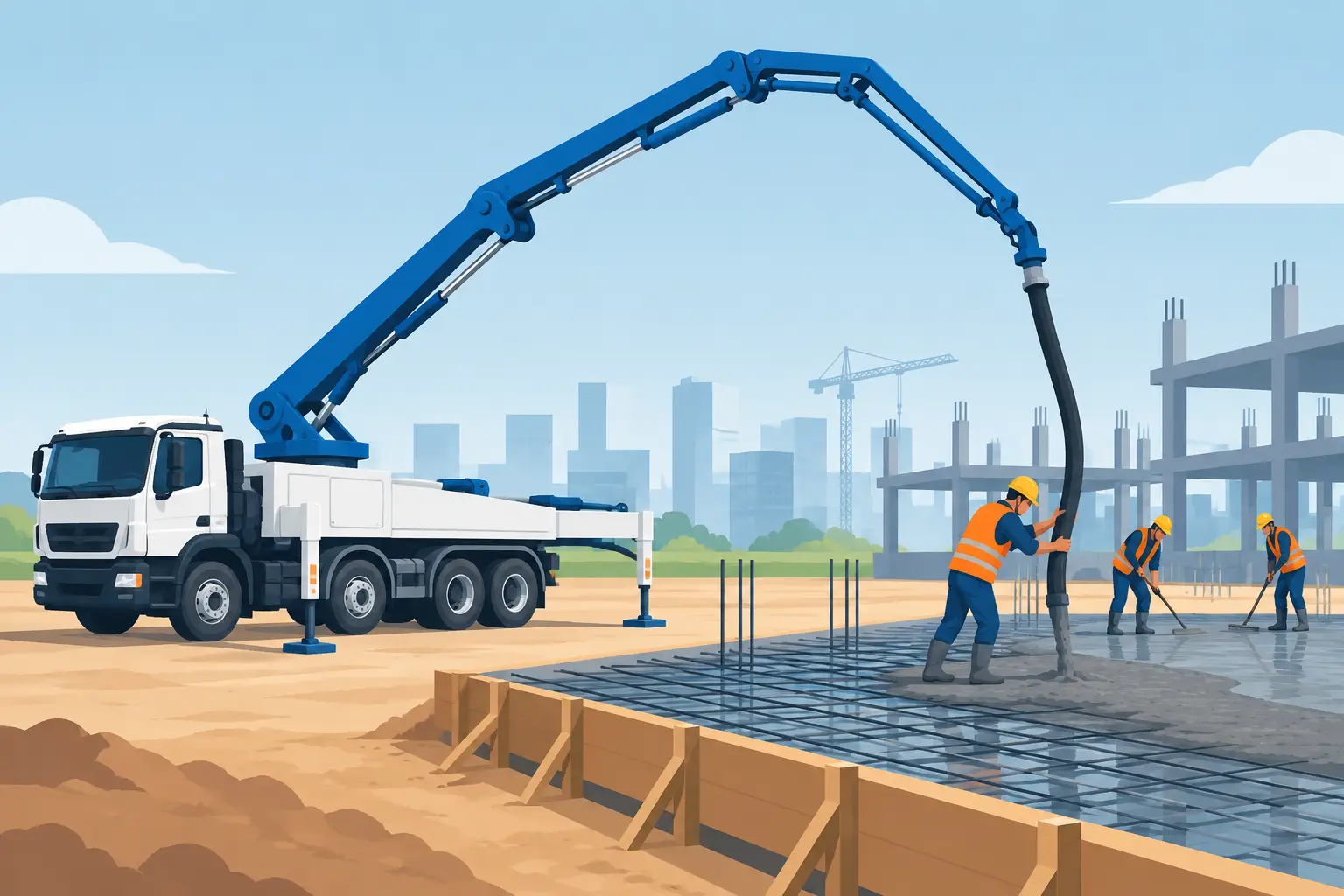
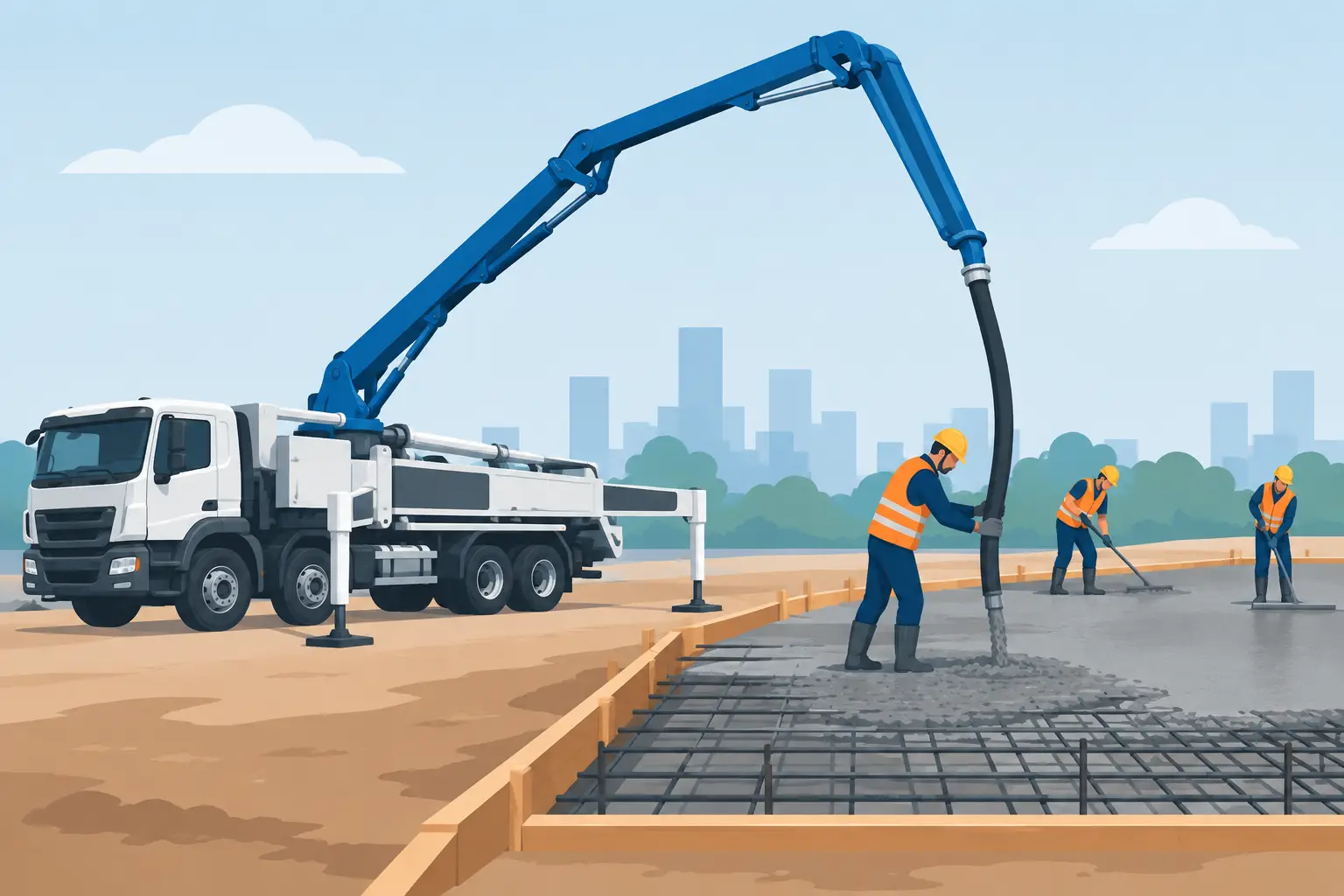
A line pump is built for concrete placement through a pipeline made up of steel line and flexible hose. Rather than relying on a long hydraulic boom, the operator runs the line from the truck to the pour location. This makes the setup especially useful when the truck can park near the site but cannot physically reach the placement area with a chute.
Residential work is a common fit. Think basement walls, detached garages, backyard patios, sidewalks, additions, retaining walls, shop slabs, and footings behind a house. If the only route to the pour is through a side yard, around an existing building, or across uneven ground, pumping can eliminate repeated wheelbarrow runs and the mess that comes with them.
Line pumping also earns its place on commercial, agricultural, and industrial work. Equipment pads, interior slabs, remote foundations, bin pads, mechanical rooms, and repairs inside active facilities often require concrete to travel farther than the truck chute allows. Where hose can be routed safely and the mix is suited to pumping, a line pump offers controlled delivery without turning access into a labour problem.
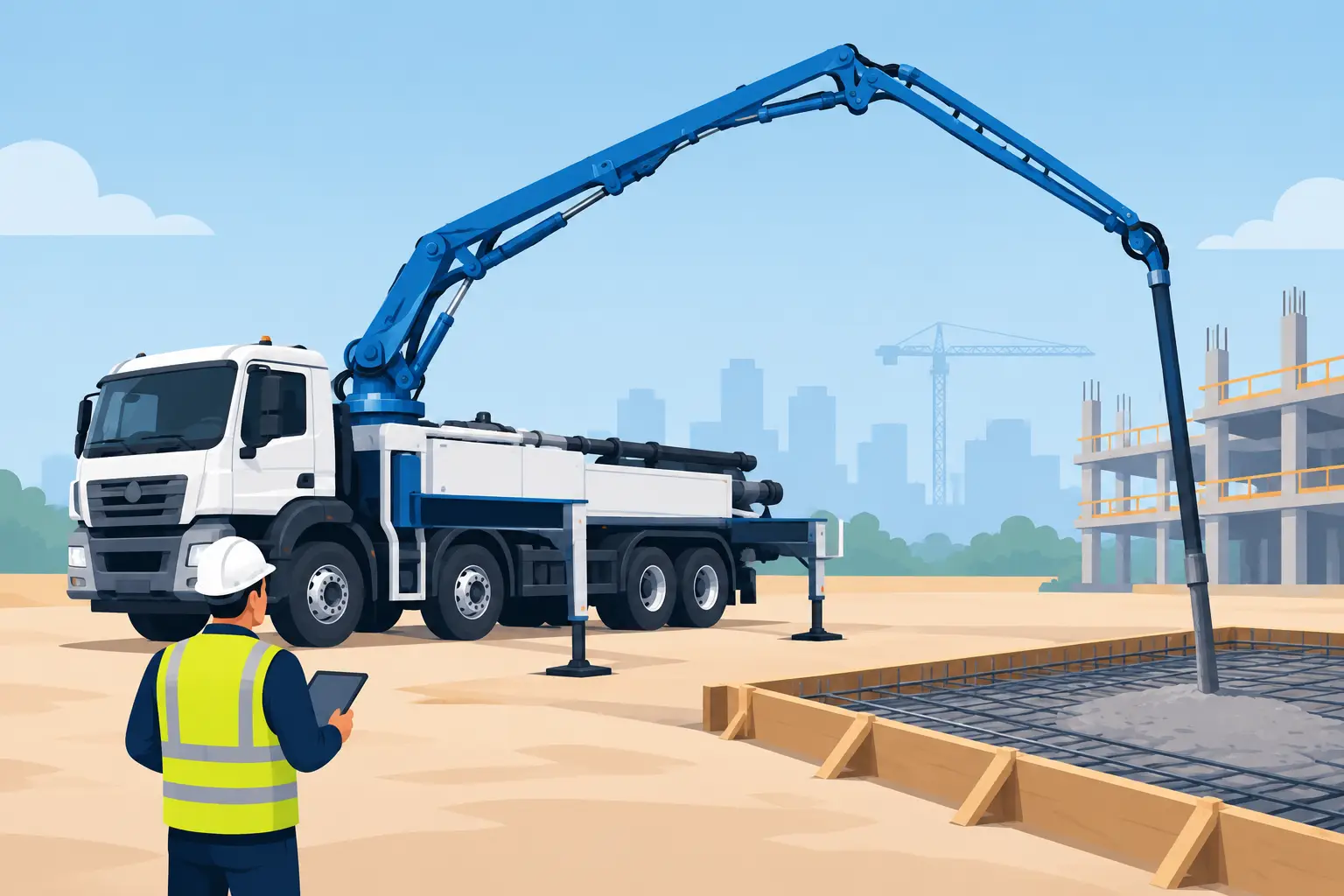
The trade-off is coverage. A boom pump can reach across a broad area from one truck position and can be the better choice for large slabs, high walls, or jobs with multiple distant placement points. A line pump needs a planned hose route and may need to be moved as the crew progresses. That is not a drawback when access is tight or the placement point is fixed. It simply means the equipment should match the job.
Jobsites that benefit most
The best line-pump jobs usually have one or more of these conditions: restricted access, a long travel path from truck to pour, sensitive landscaping, obstacles between the street and placement area, or limited room for a larger pump truck to position. A 4x4 line pump can also be a practical option when site ground is rough or conditions demand more mobility than a conventional setup allows.
Distance by itself does not decide the issue. The route matters just as much. A short run with several tight turns, steep changes in elevation, or obstacles that force the hose through a busy work area needs proper planning. An experienced operator can assess the run, identify the cleanest route, and determine whether line pumping will provide a real advantage.
How Line Pumps Improve the Pour
Concrete placement affects more than how quickly a truck is emptied. It affects crew fatigue, finishing pace, form pressure, cleanup, and the consistency of the finished work. When concrete arrives where the placing crew needs it, the crew can focus on consolidating, screeding, finishing, and maintaining the required pace.
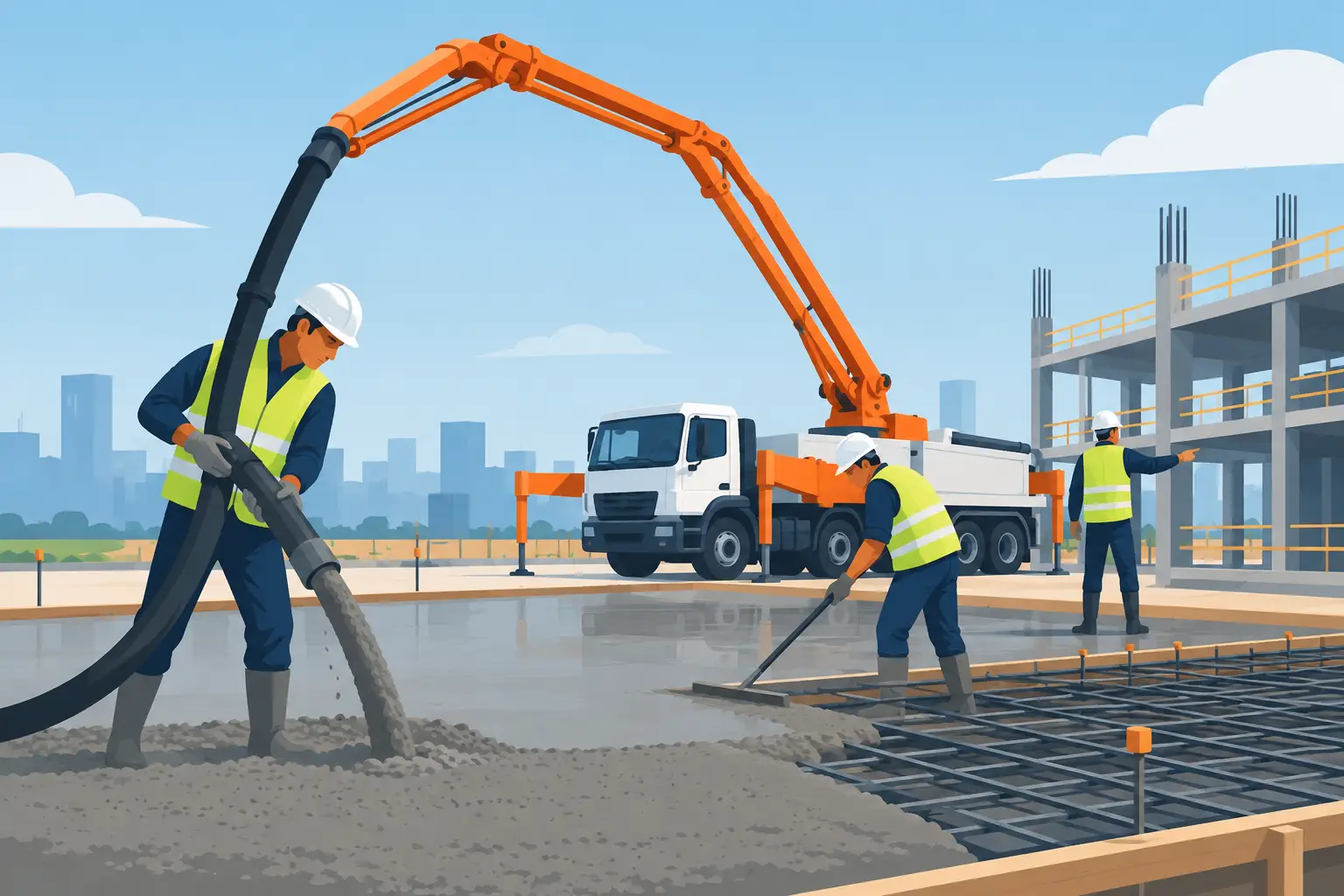
With wheelbarrows, labour is pulled away from the work that determines the final result. Each trip introduces delay, potential spillage, and more traffic through the site. On a warm day or a high-volume pour, those small delays add up quickly. Pumped concrete keeps material moving in a controlled stream, helping the crew maintain a workable rhythm.
Accuracy is another advantage. The hose can be directed into narrow footings, wall forms, around reinforcing steel, or into sections that would be awkward to reach by chute. That does not remove the need for good placing practices. The hose still needs to be handled carefully, concrete must be placed in lifts where required, and the crew must avoid segregating the mix. But controlled hose placement gives the team a better starting point than dumping material too far from its final position.
Line pumping can also protect the site. Fewer wheelbarrow runs can mean less rutting, less concrete tracked across finished areas, and fewer chances of damaging landscaping, framing, or other completed work. On constrained residential projects, that cleaner operation matters to the builder and the homeowner alike.
Pumpability Starts With the Concrete Mix
A pump does not make every concrete mix behave the same way. The mix needs enough workability and paste to travel through the line without separating or blocking. Aggregate size, slump, admixtures, fibre, air content, and the overall mix design all affect how concrete pumps.
This is why pump planning should happen before the truck arrives. The pump operator, concrete supplier, and placing crew need to be working from the same information. If the job calls for a particular strength, exposure class, fibre package, or finish, that specification still comes first. The goal is to select a mix that meets the project requirements and is also appropriate for the planned line size and pumping distance.
Fibre-reinforced concrete deserves special attention. Many fibre mixes can be pumped successfully, but the dosage, fibre type, line size, and mix consistency need to be considered together. The same applies to low-slump mixes or mixes with larger aggregate. Trying to force a poorly suited load through a line can create delays, waste material, and put pressure on an already time-sensitive pour.
A reliable pump service will prime the line correctly and monitor the concrete as placement begins. The first few minutes are where the operator confirms that the mix is moving properly and the crew can establish a safe, productive pace. If something looks wrong, addressing it early is far easier than dealing with a blocked line once the pour is underway.
Plan the Hose Route Before Pour Day
The pump truck needs a clear arrival path and a safe place to set up. The hose route should be decided before concrete trucks begin lining up. That route needs to account for gates, corners, stairs, utility lines, landscaping, open excavations, vehicle traffic, and areas where other trades are working.
Keep the line as direct as practical. Every bend adds resistance, and unnecessary turns make the setup harder to manage. The line also needs support where required and must be kept out of locations where equipment can run over it or workers can trip over it. If it crosses a walkway or work path, the crew should know that before the pour starts, not while concrete is moving.
Site access deserves an honest conversation. A truck-mounted line pump needs room to get in, turn, and work safely. Soft ground, steep approaches, overhead obstructions, narrow driveways, and parked vehicles can change the plan. Providing job photos, a site address, approximate hose distance, pour type, and expected concrete volume when booking helps the pump provider send the right equipment and prepare the operator.
Keep the crew ready at the hose end
Pumping is fast when the crew is prepared and slow when the hose is waiting on forms, rebar, tools, or finishing plans. Have the placing crew, vibrator, rakes, screeds, and finishing equipment ready before the first load arrives. Confirm who is directing the hose, who is watching the forms, and how the crew will communicate if the flow needs to slow or stop.
The hose end is active equipment, not something to manage casually. It can move under pressure, and safe handling requires trained people, clear communication, and attention to the operator's instructions. Keep unnecessary people away from the working area, especially homeowners, visitors, and workers from other trades.
What Affects Line Pump Costs
The cost of a line pump should be considered against the full placement cost, not only the pump invoice. A lower-cost approach on paper can become expensive if it requires extra labour, slows the ready-mix trucks, creates cleanup work, or extends the pour into poor weather or reduced finishing time.
Pricing commonly reflects the type of pump, travel, setup, hose length, expected pour duration, and job complexity. A short, open run to a simple footing is different from a long route through a restricted property with multiple pour locations. Being accurate about the scope helps avoid surprises and allows the pump crew to arrive with the proper line, fittings, and equipment.
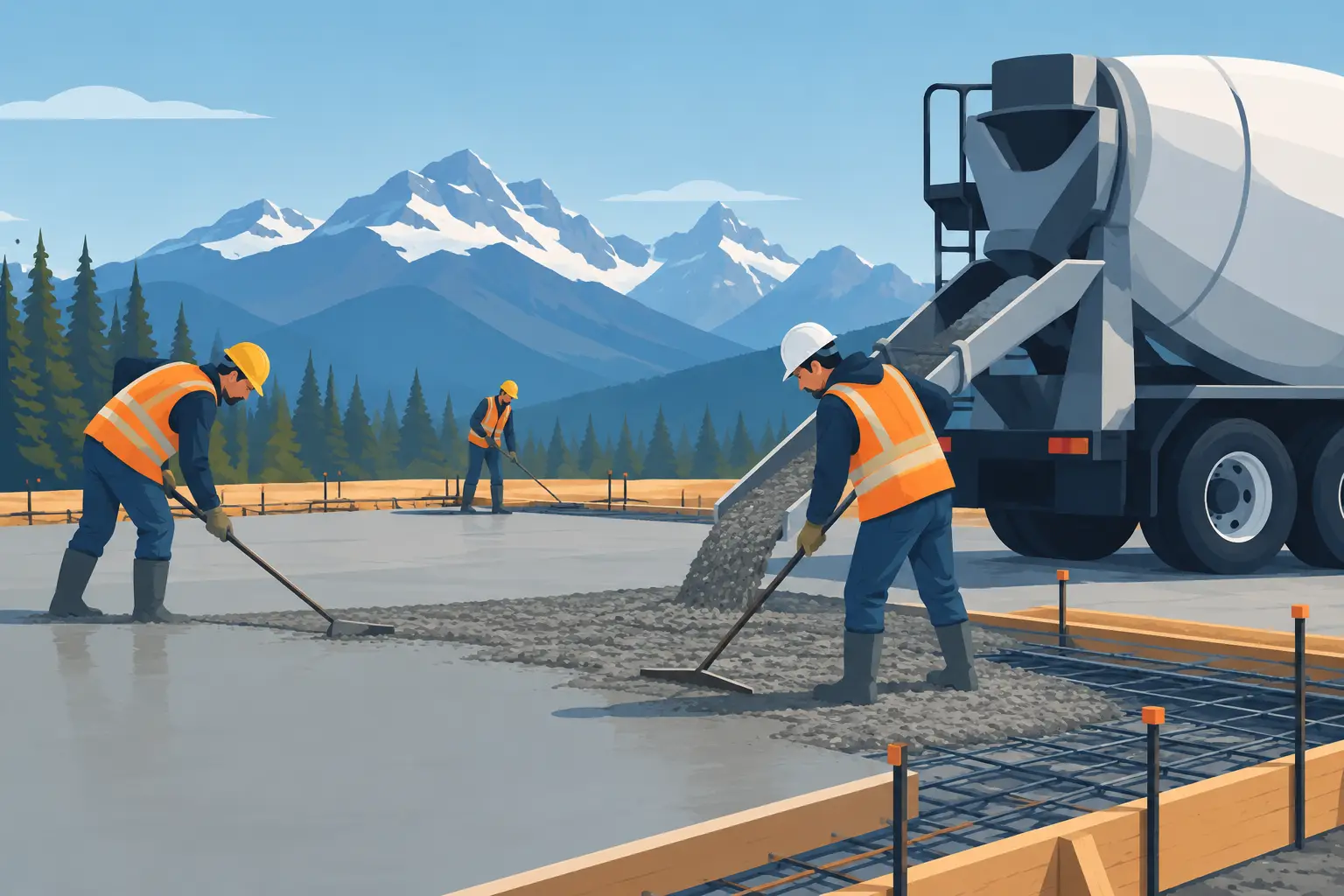
There are cases where a chute is still the best tool. If the truck can back directly to the forms and reach the full placement area safely, pumping may not add enough value. For broad, high-volume work with significant reach requirements, a boom pump can be more efficient. The practical question is not whether pumping is always better. It is which method gets the concrete into place safely, cleanly, and without holding up the rest of the job.
Bandit Concrete Pumping brings experienced operators and job-matched equipment to pours across Central Alberta, including difficult-access projects where a line pump can save hours of manual handling. The goal is simple: arrive prepared, place concrete where it needs to go, and leave the crew in a position to finish strong.
Before booking, walk the route from the street to the forms as if you were carrying a hose through it. Measure the distance, clear the access, confirm the mix, and make sure the placing and finishing crews are ready. That preparation is what turns a line-pump booking into a clean, controlled pour instead of a last-minute workaround.