(587) 703-6048

When a Line Pump for Backyard Concrete Makes Sense

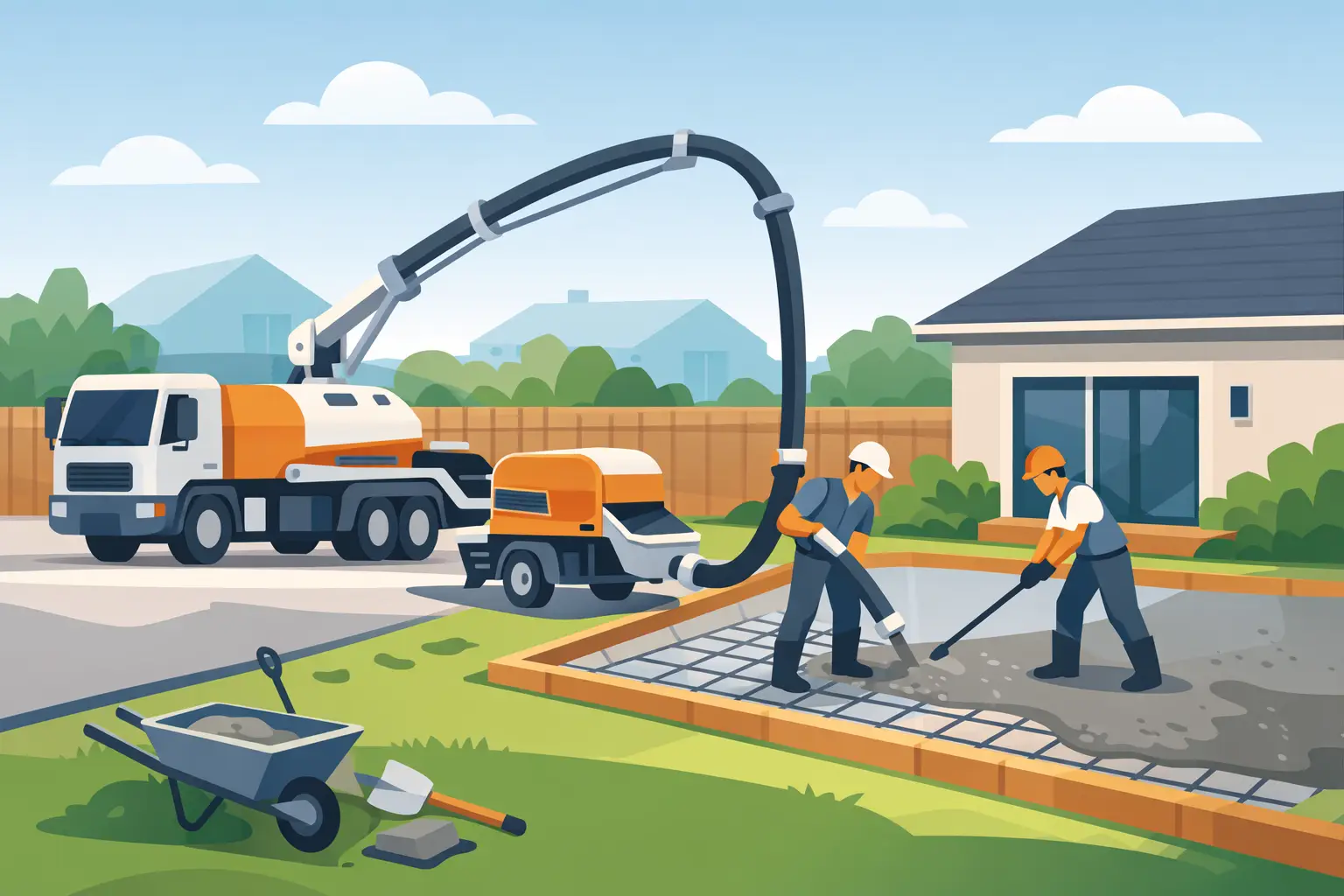
Backyard concrete work often looks simple from the street. Then the ready-mix truck arrives, the gate is too narrow, the pour is 150 feet from the curb, and a small crew is left moving heavy wheelbarrows across a finished lawn. A line pump for backyard concrete changes that setup by moving concrete directly from the truck to the placement area through a hose line.
For garage pads, patios, shed foundations, hot tub pads, walkways, additions and backyard shops, the right pump can turn a labour-heavy pour into a controlled operation. It is not automatically the best choice for every job, but when access is limited or volume is significant, it can protect the schedule, the crew and the finished work.
Why a Line Pump for Backyard Concrete Works
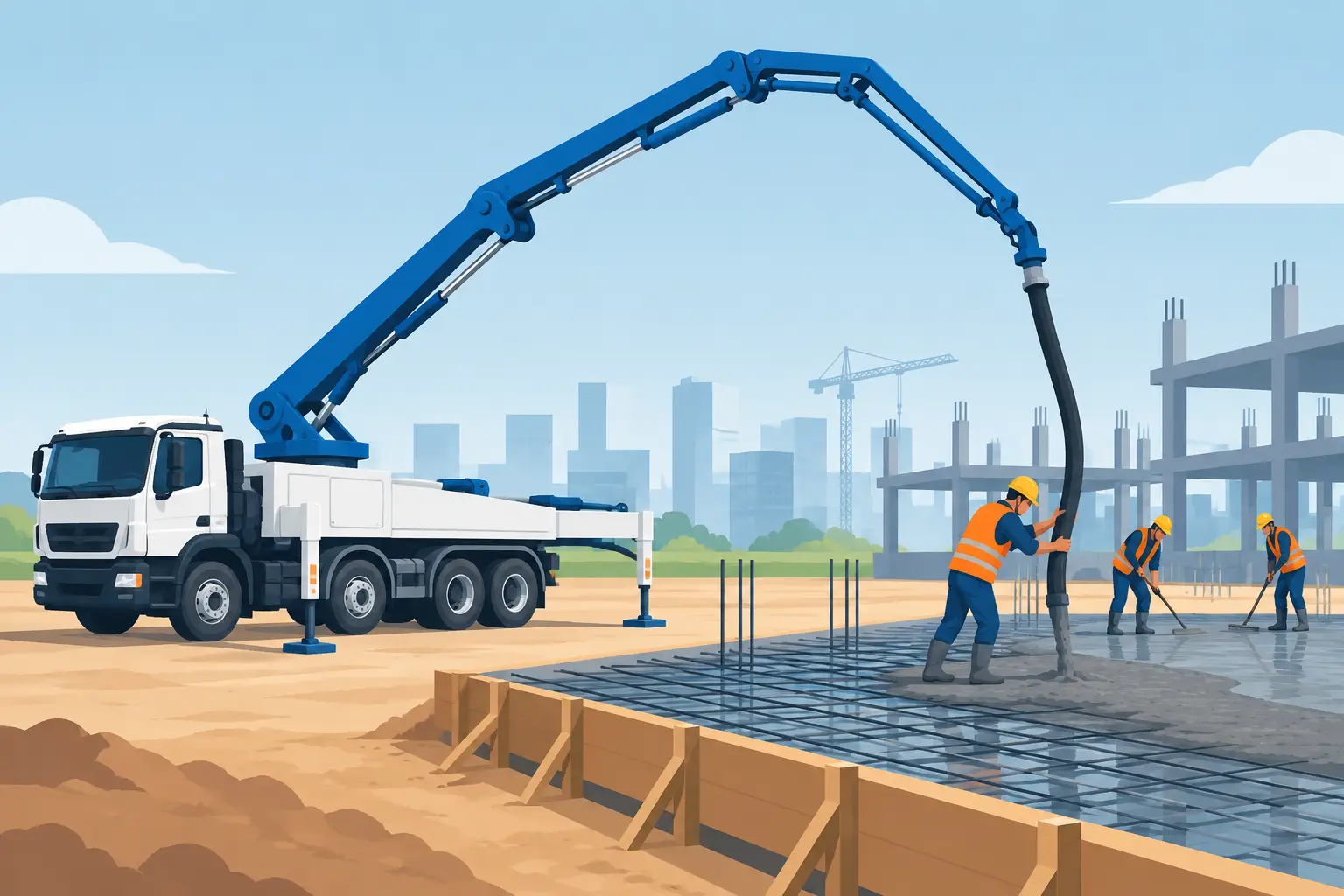
A line pump uses steel and flexible delivery lines to move concrete where a truck chute cannot reach. The line can run along a driveway, through a side yard, around a house or into a fenced backyard. Instead of relying on a chain of wheelbarrows, the placing crew receives concrete close to the forms.
That matters because concrete does not wait. Once the truck is loaded and on site, the crew needs to place, strike off and finish the material at a steady pace. Long wheelbarrow runs slow the work, fatigue the crew and make it harder to keep the pour moving evenly. They also create more opportunities to spill concrete on landscaping, walks, siding or finished surfaces.
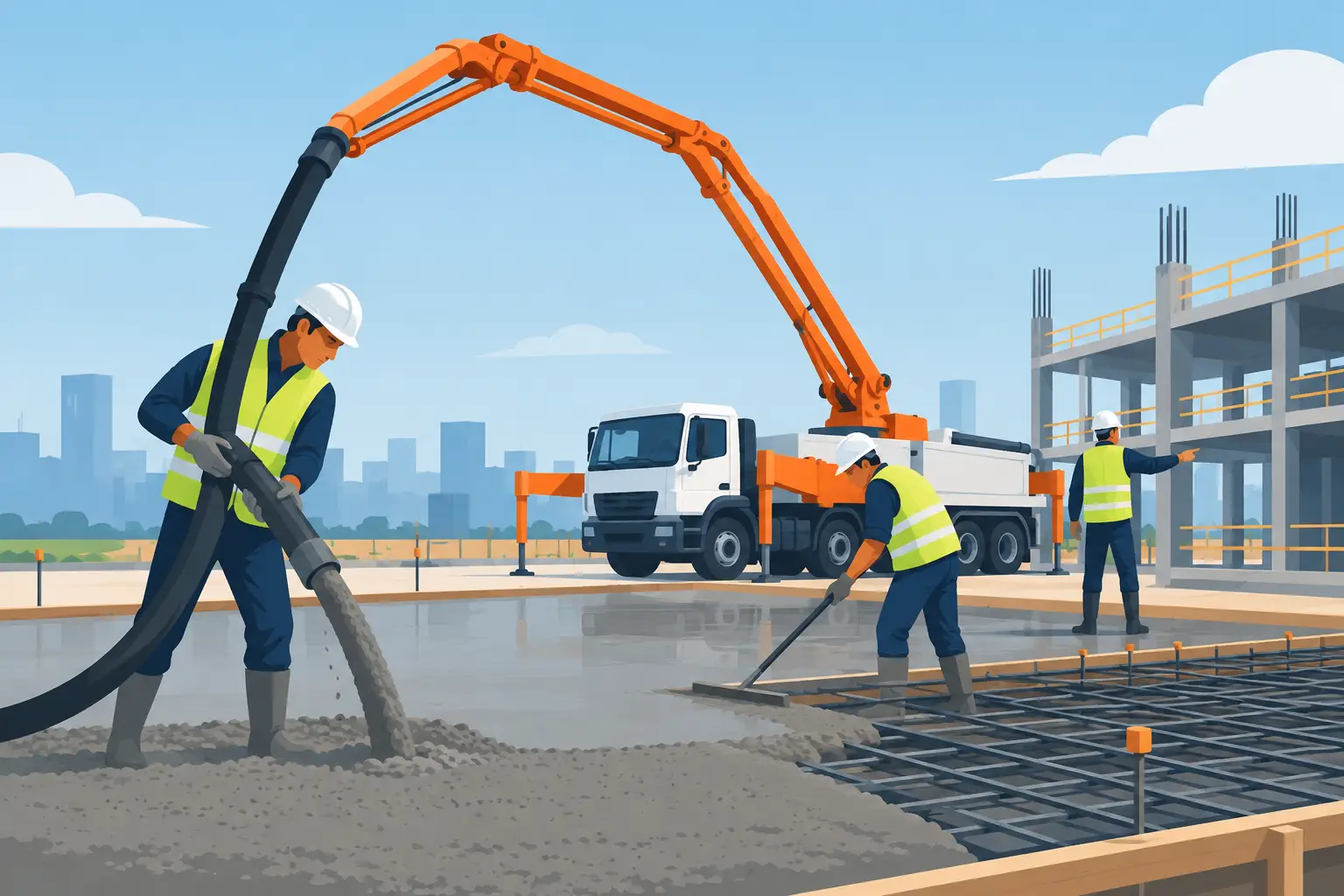
A line pump gives the finisher better control over where the mix lands. The hose operator can place material along the forms, into footings, around reinforcing steel and in corners that would be awkward to reach from a chute. Less handling usually means less raking, less waste and fewer interruptions while the crew catches up.
Access Is Usually the Deciding Factor
The strongest reason to pump backyard concrete is not always the size of the pour. It is often the route between the street and the forms. A rear yard may be separated from truck access by a house, detached garage, retaining wall, narrow side yard or soft ground. Even an open property can become difficult after rain, when driving equipment across a lawn would leave costly damage.
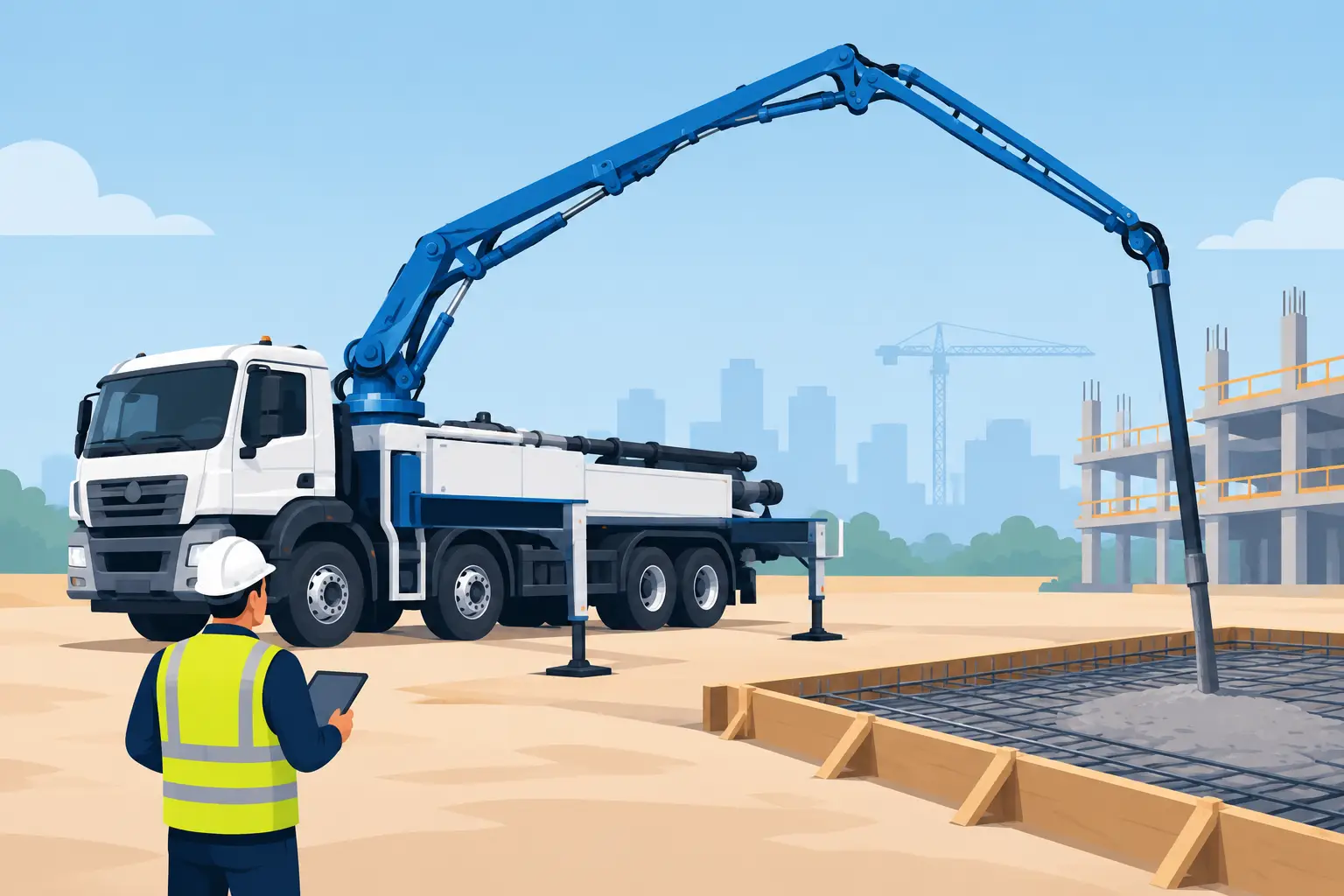
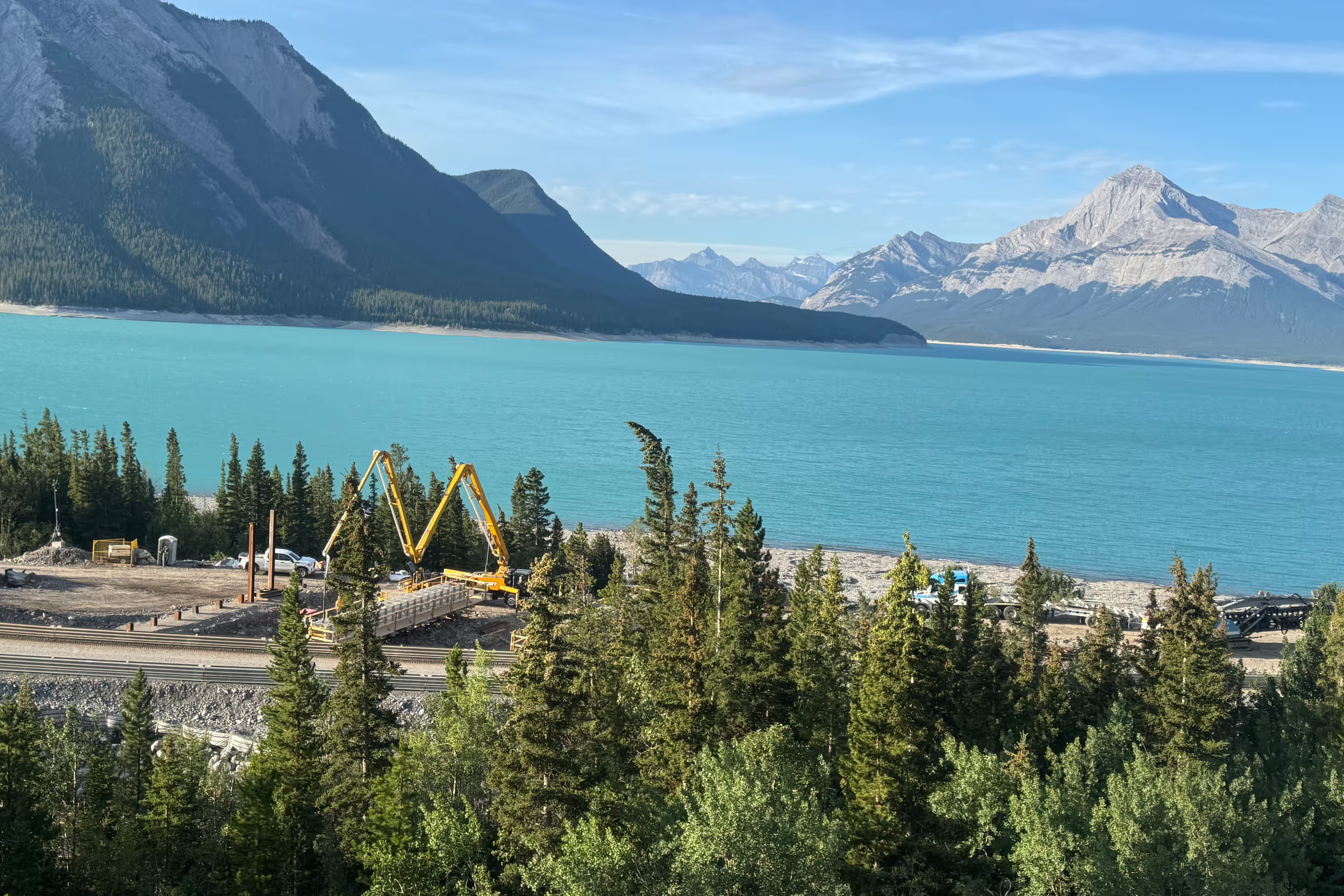
A truck-mounted line pump is suited to these jobs because the equipment can remain in an appropriate setup area while the hose line carries concrete to the pour. Bandit Concrete Pumping uses a 4x4 line pump for precise placement where backyard access and changing site conditions demand more than a chute can provide.
Before booking, measure the practical route, not just the straight-line distance. Note gate widths, stairs, slopes, overhead wires, tight turns, parked vehicles and any finished landscaping that needs protection. A clear description of the site lets the pump crew plan line routing and determine whether the setup is suitable.
Jobs that commonly benefit from pumping
Backyard line pumping is a practical fit for many residential and acreage projects. It is commonly used for detached garage slabs, shop floors, patio slabs, walkways, pool decks, hot tub pads, garden suite foundations, strip footings and retaining-wall footings. It can also make sense for a small pour with exceptionally poor access, especially when hand placement would require multiple workers and a long haul.
For a slab close to the street with room for the ready-mix truck to chute directly into the forms, a pump may not be necessary. The same applies to very small repairs where pump setup would outweigh the benefit. The best method depends on concrete volume, access, crew size, finish requirements and the cost of disruption if the pour runs behind.
Better Placement Helps the Finish
Concrete pumping is not just about moving material faster. It affects the way the concrete is placed, which affects the work that follows. When material is delivered close to its final position, the crew can avoid overworking it with rakes and shovels. That is particularly useful on slabs that need consistent elevation, proper drainage and a clean finish.
For footings, controlled hose placement helps keep concrete inside the excavation rather than piled beside it. For pads and slabs, the crew can work in a planned sequence instead of chasing loads dropped at one end. This helps maintain a steady rhythm for screeding and finishing.
The mix still needs to be specified correctly. Pumped concrete must have suitable aggregate, slump and admixtures for both the pump and the job. A concrete supplier, contractor and pump operator should be working from the same plan. Adding water on site to make a mix easier to move can affect strength, finish and durability, especially in Alberta conditions where freeze-thaw exposure matters.
What the Site Needs Before the Pump Arrives
A good backyard pour starts before the first truck backs in. Forms should be complete, reinforcing steel secured, base prepared and access cleared. The crew should know where the ready-mix truck and pump will set up, where washout will be managed and how traffic will move during the pour.
The placing area needs enough people for the work at hand. A pump operator controls the equipment and hose delivery, but the concrete contractor still needs a prepared crew to guide the hose, spread material, strike it off and finish it. Pumping reduces unnecessary hauling. It does not replace proper forming, compaction, finishing or curing.
Protect the route for the line. Plywood, tarps or other appropriate protection can help keep hoses off delicate surfaces and simplify cleanup. Keep pets, children and unnecessary site traffic away from the pumping area. Concrete lines are pressurized equipment, and the hose end must be handled by people who understand the pour plan and follow the operator's direction.
Plan the pour sequence
Talk through the placement order before the truck arrives. A rectangular slab may be placed from the far end back toward the access point. Footings may need to be filled in sections to avoid overloading forms or disturbing reinforcement. If the job includes steps, thickened edges, piers or separate pads, decide which section comes first and confirm how much concrete each part requires.
This planning also reduces the chance of ordering too much or too little material. A short load can leave a crew scrambling to finish a section, while unnecessary excess means disposal and added cost. Accurate measurements, a realistic waste allowance and a clear pour sequence keep the operation under control.
Cost Is More Than the Pump Rate
A line pump adds a service cost, so it should be evaluated against the whole placement process. On a larger backyard slab, paying several workers to wheelbarrow concrete for hours can cost more than expected. It also increases fatigue, slows finishing and creates a greater chance of damaged landscaping or poor consolidation along edges and corners.
Pumping can reduce the number of labourers needed for material movement and allow the finishing crew to focus on the work that affects the final slab. On jobs with tight timing, that can be the difference between a controlled pour and a rushed finish.
There are situations where the economics are less favourable. A small pad with direct chute access may be placed quickly without a pump. Difficult pump access, long line runs or a job that requires extensive site protection may also change the calculation. The right question is not simply, “What does the pump cost?” It is, “What does the complete placement plan cost in labour, time, cleanup and risk?”
Alberta Weather Makes Timing Matter
Central Alberta weather can make a backyard pour more demanding. Heat, wind and low humidity can speed surface drying. Cool temperatures can slow set times. Rain can soften access routes and create cleanup concerns. A pump helps the crew place concrete efficiently, but it cannot make up for poor weather preparation.
Watch the forecast, have curing materials ready and make sure the base and forms are in condition before scheduling the trucks. If access crosses soft lawn or unprepared ground, address it early rather than trying to solve it when concrete is already on the way. Reliable placement begins with a site that is ready to receive it.
A backyard pour does not need to become a wheelbarrow marathon. When access is restricted and the work needs to move steadily, a properly planned line pump setup puts concrete where the crew needs it and leaves them more time to build a slab, footing or pad that is worth keeping.