 (587) 703-6048


How to Coordinate Concrete Deliveries on Site

A concrete pour can fall behind before the first truck reaches the gate. When the pump is set up, finishers are standing by, and forms are ready, timing matters. Knowing how to coordinate concrete deliveries means managing the batch plant, pump operator, crew, access route, mix requirements, and weather as one working plan - not a series of last-minute phone calls.
For Alberta contractors and property owners, the goal is simple: keep fresh concrete moving at a pace the crew can place, consolidate, screed, and finish properly. Too much separation between trucks risks cold joints and rushed finishing. Trucks arriving too close together can create a lineup, add waiting charges, and leave concrete sitting longer than it should. Good coordination protects the schedule, the finish, and the budget.
How to Coordinate Concrete Deliveries Before Pour Day
Start with the placement plan, not the concrete order. Confirm the total volume, the pour sequence, required mix design, target slump, fibre or admixture requirements, and the areas that must be placed continuously. A garage slab, foundation wall, shop floor, retaining wall, and commercial footing each move at a different pace. The supplier needs more than a total cubic-metre number to schedule trucks effectively.
Then determine a realistic placement rate. Your pump configuration, hose run, crew size, access, reinforcement congestion, form layout, and finishing process all affect how quickly concrete can move. A clear open slab may accept concrete quickly. A heavily reinforced wall or a long line-pump run may require a slower, steadier pace. Ordering every truck at the tightest possible interval is not always efficient.
Give the ready-mix supplier a delivery window and a target spacing between loads. Ask what dispatch needs from you, including the jobsite address, entrance instructions, contact person, mix specifications, quantity, and required start time. Confirm whether the supplier can stage the full order from one plant or whether traffic, plant demand, or production capacity could affect intervals.
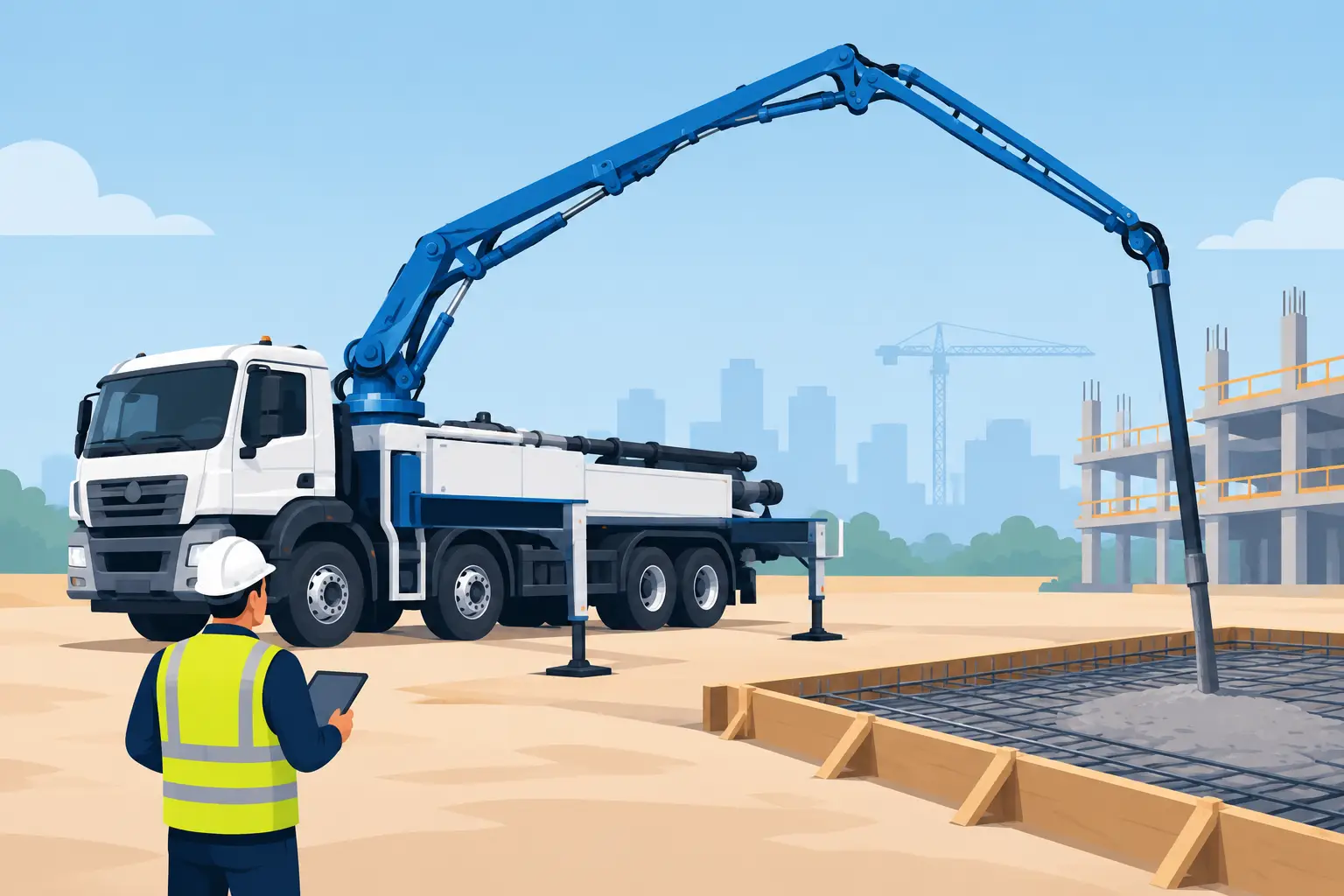
The pump should be booked early and included in the same plan. A pump operator needs to know the concrete volume, placement type, hose requirements, site access, obstructions, outrigger area, and proposed truck route. Sharing this information ahead of time helps ensure the right machine is assigned. A compact boom may suit a restricted residential site, while a larger boom provides better coverage on broad slabs or commercial work. For difficult access, a truck-mounted line pump can place concrete where a mixer truck cannot reasonably reach.
Build One Clear Pour Schedule
The best pour schedules have one person responsible for decisions on site. That person does not need to handle every task, but they need authority to speak with the dispatcher, pump operator, concrete crew, and site superintendent when conditions change.
Confirm the key details the day before the pour: first-truck time, estimated truck interval, total number of loads, pump arrival time, crew call time, weather forecast, access route, and washout location. Make sure every party has the correct site contact and phone number. A wrong turn, a locked gate, or an unplowed approach can cost more than a few minutes when several crews are waiting.
For larger pours, map the sequence in practical terms. Identify where pumping starts, where it finishes, when the boom needs to be repositioned, and which areas need the strongest continuous supply. If a section can be poured separately without affecting performance or appearance, plan that break intentionally. If a continuous pour is required, make that clear to dispatch from the start.
Truck intervals should be based on the actual pour rate, not guesswork. For example, if the crew can consistently place one truck every 25 to 35 minutes, deliveries set too close together will build a queue. If the next load is 60 minutes away, the pump and finishing crew may be left waiting. Conditions can change during the pour, so the first two loads are often the best test of whether the planned interval needs adjustment.
Prepare the Site for Mixer Trucks and the Pump
A well-organized site lets trucks arrive, unload, wash down, and leave without crossing paths with workers or backing through active work areas. Walk the route before pour day. Check gate widths, overhead power lines, low branches, soft shoulders, sharp turns, parked equipment, and turning space. Alberta spring thaw, recent rain, and early winter freeze-thaw conditions can turn an otherwise usable approach into a problem quickly.
Keep the pump setup area clear and firm. Boom pumps require adequate room for outriggers and safe setup. The ground must support the equipment, and the operator needs clearance from overhead hazards. Never assume a tight lot is workable without discussing it first. A site that is difficult for a ready-mix truck may still be ideal for pumping, but only if the truck and pump locations are planned together.
Set a dedicated washout area before the first truck arrives. It should be accessible, contained, and located away from drains, landscaped areas, finished surfaces, and public traffic. Concrete cleanup is much easier when washout is planned than when the last truck is already leaving.
Have a spotter ready if trucks need to back in, pass through narrow areas, or work near pedestrians and other trades. Use a clear traffic pattern and keep unnecessary vehicles out of the pour zone. The driver, pump operator, and spotter should be able to communicate without shouting over equipment.
Match the Crew to the Delivery Pace
Concrete delivery coordination is not only a dispatch issue. The placing and finishing crew must be ready to receive each load. Before the first truck, confirm that forms are secure, reinforcement is inspected, embeds are in place, tools are staged, vibrators are available, and water management is ready. Do not wait until the truck is backing up to find missing stakes, a blocked form, or an untested vibrator.
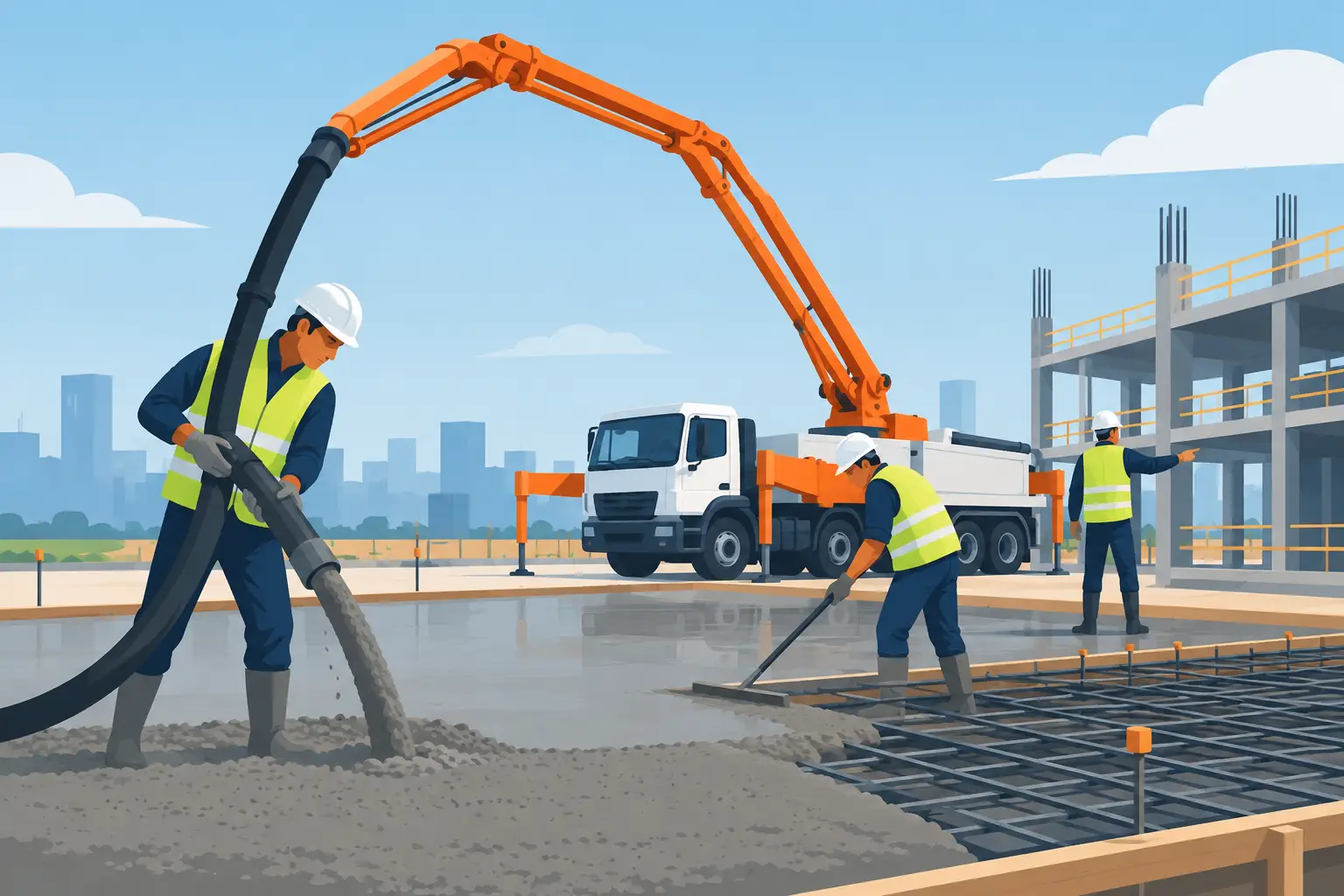
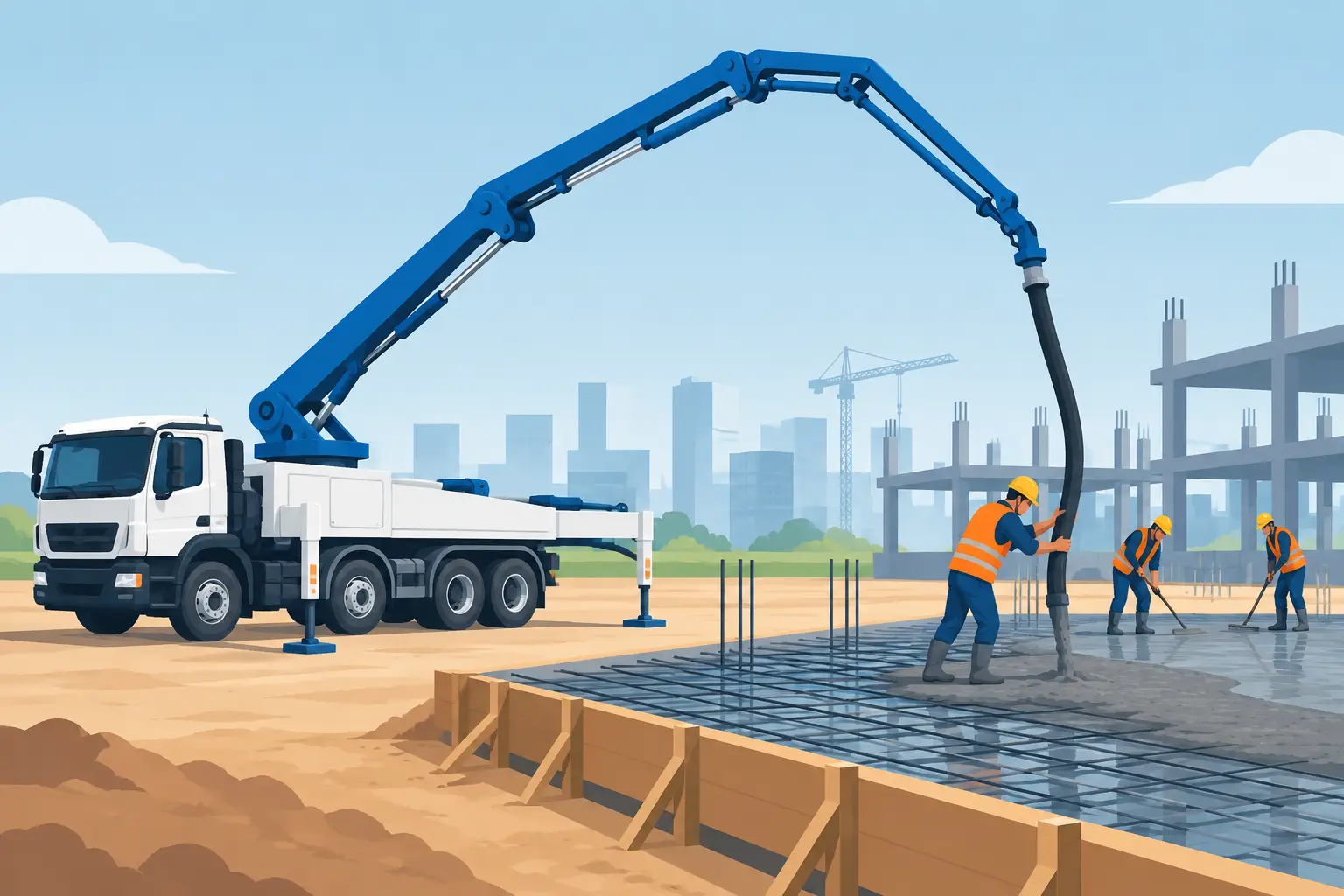
Crew roles should be clear. Someone manages the hose and placement direction. Someone watches grades and forms. Someone consolidates where required. Someone communicates with the pump operator. Finishers need enough time and room to work behind the placement crew without being buried by an uncontrolled flow of concrete.
This is where a pump can reduce pressure on the crew. Rather than relying on wheelbarrows, chutes, or labour-heavy movement across the site, concrete can be placed closer to its final position. That improves control, reduces material handling, and helps keep the pour moving at a pace the finishers can manage. It does not remove the need for a capable crew, but it gives that crew a more efficient delivery method.
Manage Changes During the Pour
Even a well-planned pour can change. Traffic delays, plant issues, a mechanical problem, weather shifts, or a slower-than-expected placement area can affect the sequence. The answer is early communication.
Watch the pace from the first truck onward. If the crew is getting ahead of supply, contact dispatch before the gap becomes a problem. If trucks are arriving faster than the crew can place them, ask for more spacing. Do not wait until a lineup is already sitting at the gate. The dispatcher has more options when they receive notice early.
If rain, wind, or heat affects finishing conditions, adjust the work plan with the concrete supplier and crew. A mix designed for one set of conditions may require a different approach when temperatures move. Do not add water at the jobsite without proper direction. Uncontrolled water addition can change slump, strength, finish quality, and air content.
Keep a record of truck arrival times, discharge start and finish times, and any issues that affected the pour. For repeat work, those notes become useful planning data. You will know whether a particular site needs wider intervals, a different truck route, more finishing labour, or a different pump setup next time.
Use the Pump Operator as Part of the Plan
An experienced pump operator sees problems that may not be obvious from the form line: limited boom clearance, poor truck positioning, hose handling risks, changing ground conditions, and the effect of placement speed on the crew. Bring the operator into the conversation before the pour starts.
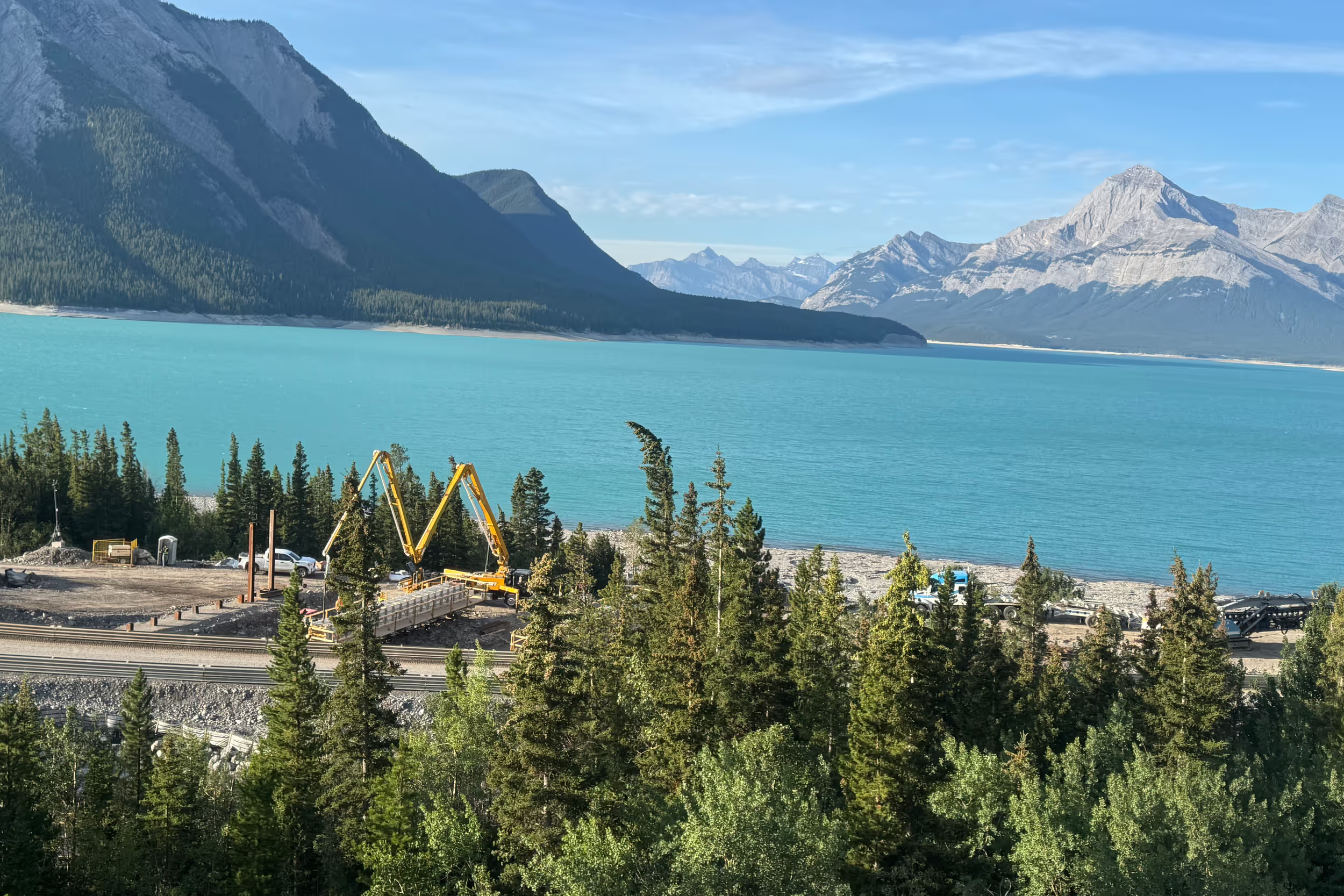
Bandit Concrete Pumping works with contractors across Central Alberta to match equipment and placement methods to the site, whether that means broad boom coverage, a compact setup for restricted access, or line pumping into a hard-to-reach area. The right setup helps delivery trucks turn around faster and helps the placing crew focus on the concrete rather than fighting the site.
The most useful question before any pour is not simply, “What time is the first truck?” Ask whether every part of the job is ready to keep that truck moving. When the answer is yes, concrete deliveries become a controlled part of the build instead of the point where the day starts to unravel.