(587) 703-6048

Concrete Pumping for Retaining Walls That Performs

A retaining wall pour can go sideways fast when concrete has to travel through a narrow side yard, around stacked materials, or down a sloped lot. Concrete pumping for retaining walls puts the concrete where the crew needs it, without turning placement into a wheelbarrow relay or overworking the forms with uneven loads.
For Alberta contractors, builders, and property owners, the value is straightforward: better access, faster placement, fewer hands tied up moving concrete, and more control over the finished wall. The pump is not a substitute for proper engineering, formwork, or mix design. It is the tool that helps a prepared crew execute the pour cleanly and on schedule.
Why Retaining Walls Are Different Pours
Retaining walls are structural work. They hold back soil, manage grade changes, and often support driveways, landscaping, buildings, or other loaded areas. That means the concrete needs to be placed without shifting forms, creating cold joints, segregating the mix, or leaving voids around steel and dowels.
Unlike an open slab, a wall form can be tall, narrow, heavily reinforced, and difficult to reach from more than one side. A ready-mix truck chute only works if the truck can get close to the forms and move freely along the wall. On many residential and commercial sites, that is not realistic. Fences, excavation, existing structures, soft ground, and limited street access can all block direct chute placement.
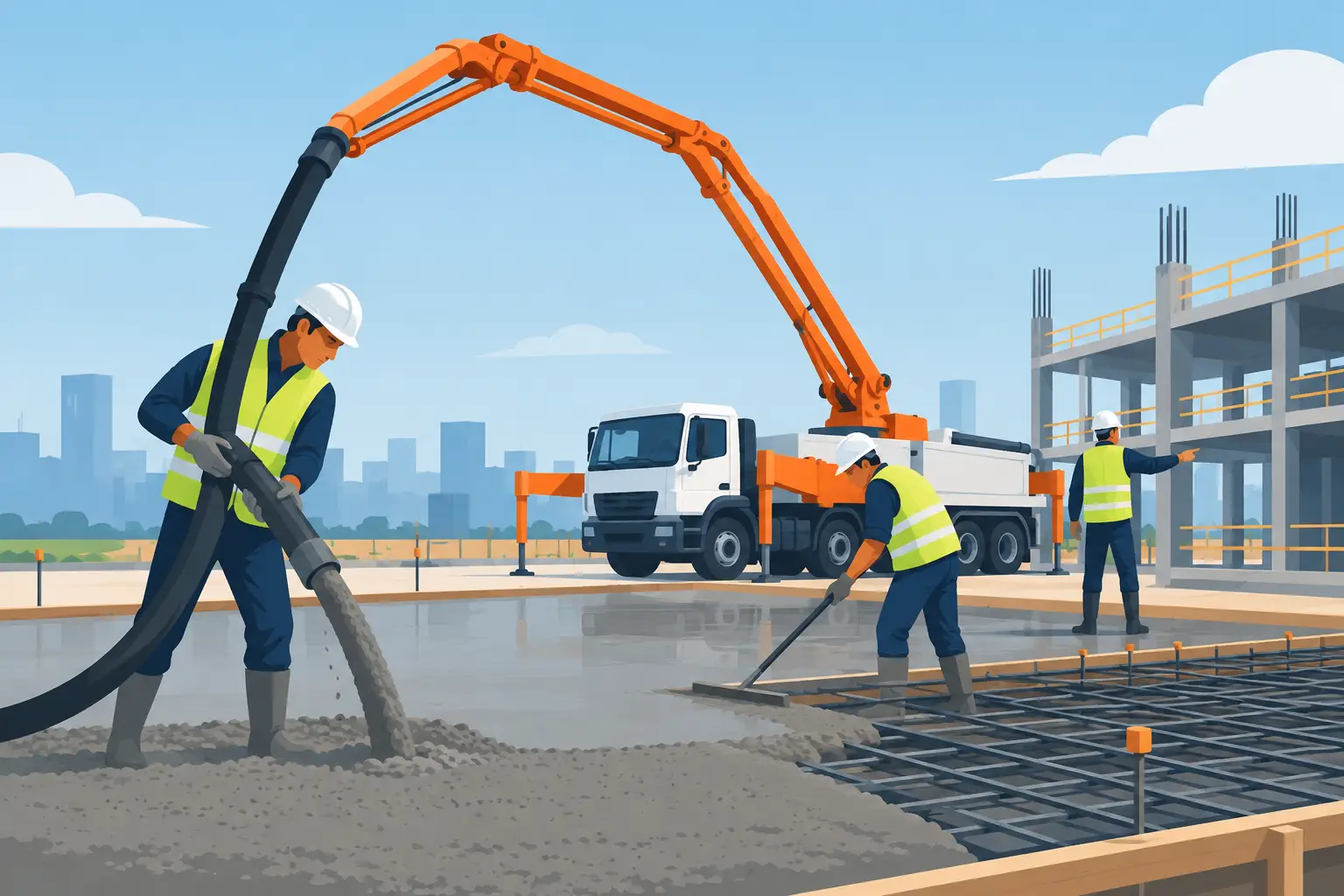
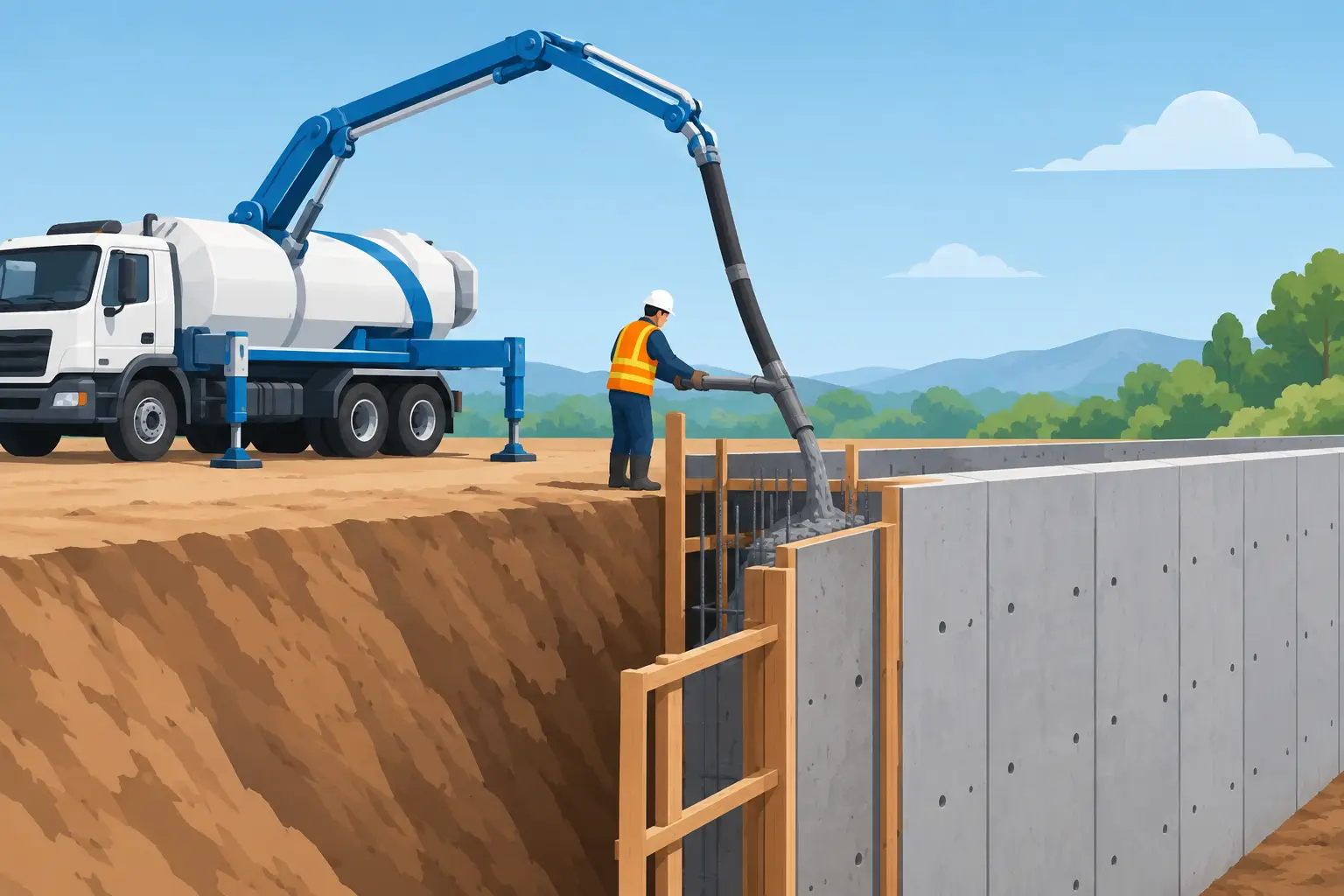
A concrete pump allows the placing crew to control the hose at the point of discharge. Concrete can be delivered along the wall, into footing areas, behind restricted access points, or over obstacles without repeatedly moving the truck or relying on manual transport.
When Concrete Pumping for Retaining Walls Pays Off
Pumping is often the practical choice when the wall runs behind a house, along a property line, below a grade break, or inside a busy construction site. It is also valuable on longer walls where consistent placement speed matters. The farther concrete must travel from the truck, the more labour and time traditional methods consume.
The biggest benefit is not simply distance. It is control. With a boom pump or line pump, the operator and placing crew can work through a planned sequence rather than chasing access. That helps keep the pour moving at a steady pace, which matters when filling wall forms and tying lifts together properly.
There are jobs where a chute is enough. A short, low retaining wall with open truck access may not need a pump. But once access is tight, the wall is tall, the pour volume increases, or the crew is working around finished areas, pumping can reduce the risk of delays and cleanup costs.
Match the Pump to the Site, Not Just the Yardage
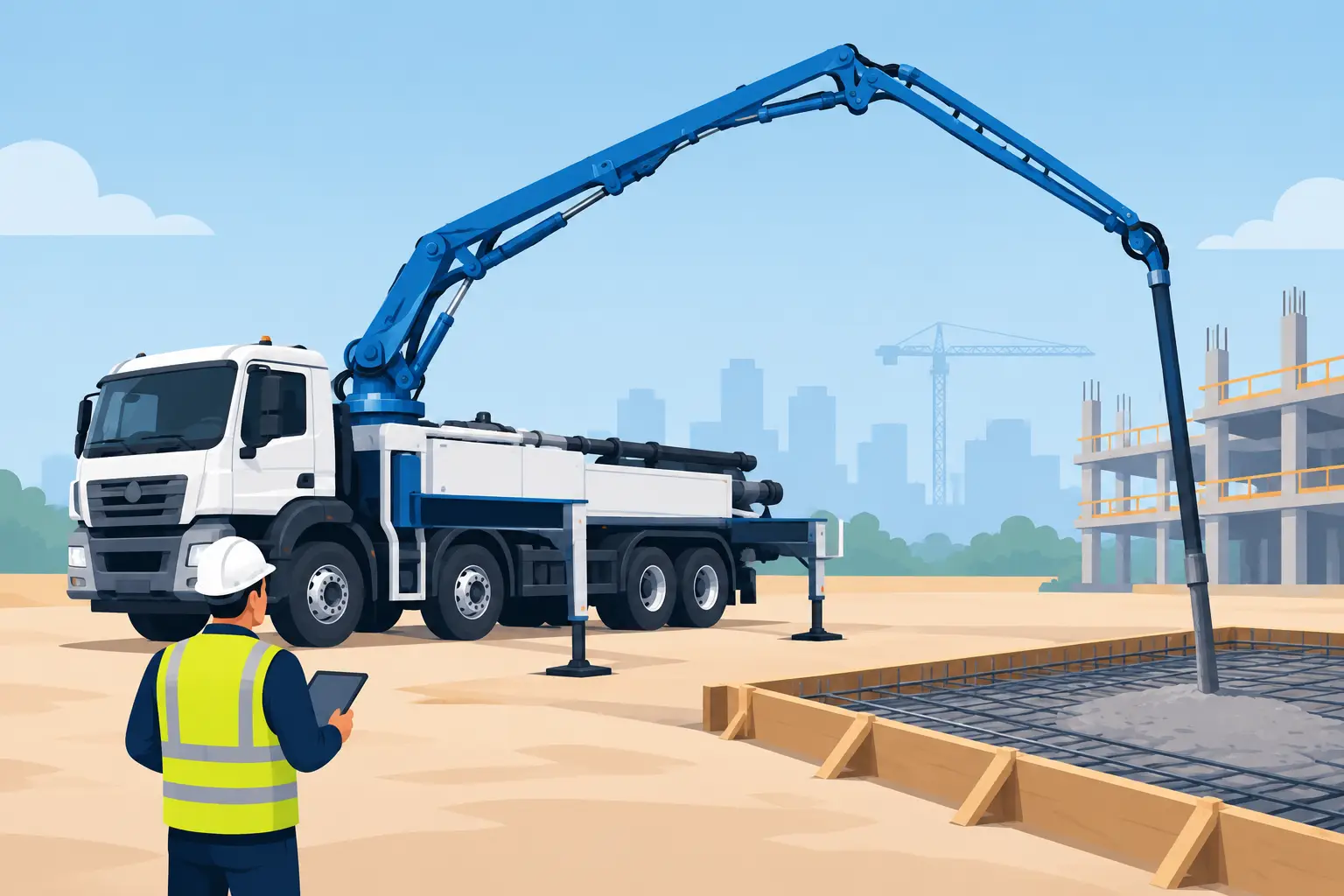
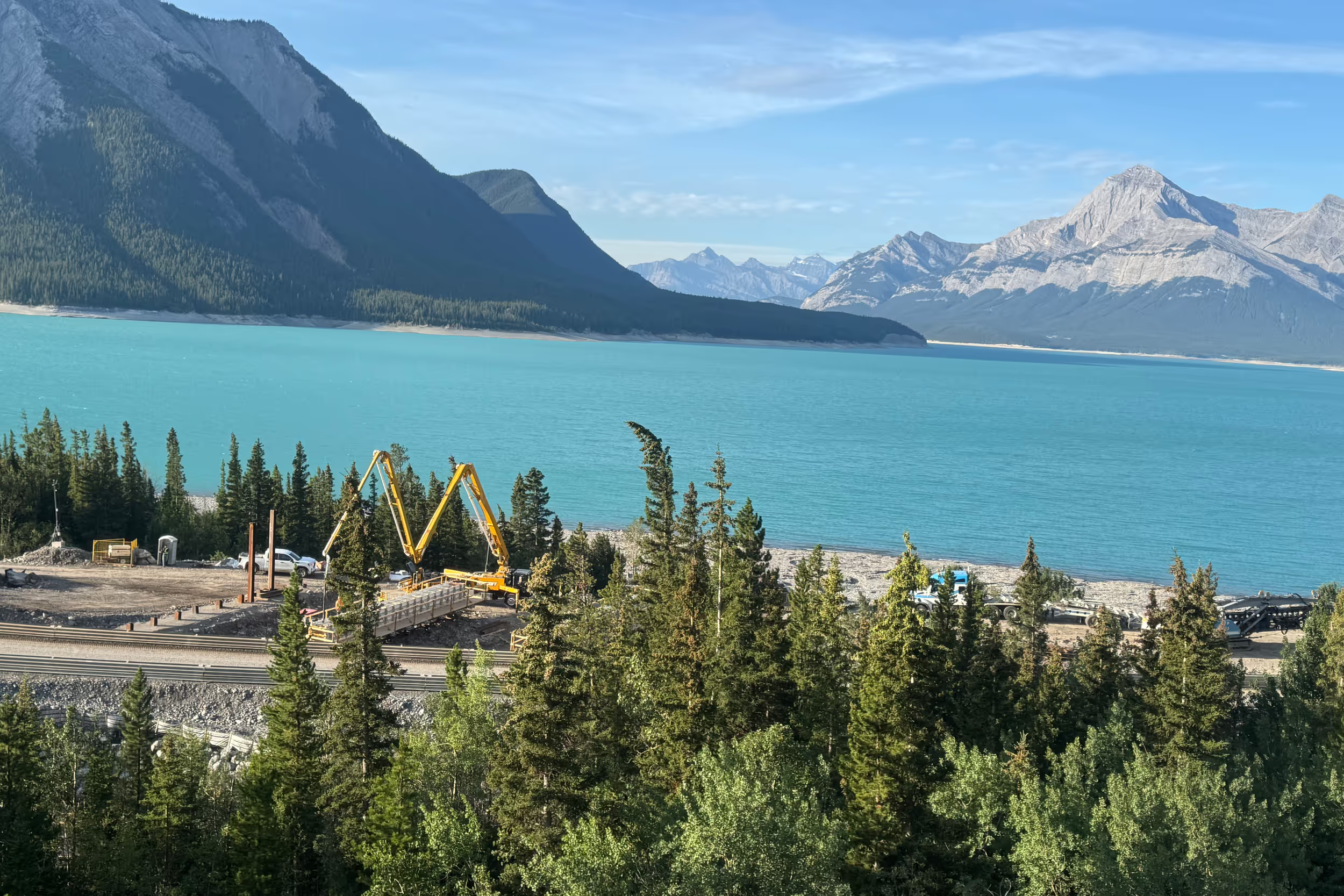
The right equipment depends on access, wall location, hose routing, volume, and how much reach is required. A boom pump is often the efficient choice for broad coverage, elevated placement, or pours where the truck needs to stay clear of the excavation and forms. The boom can place concrete over a house, across a lot, or along a long wall while the ready-mix truck remains in a workable staging area.
Compact roll-and-fold boom equipment can be a better fit where overhead clearance or setup space is limited. On a constrained residential site, the ability to work around trees, neighbouring buildings, and narrow approaches can make the difference between a smooth pour and a difficult day.
A truck-mounted line pump is built for precision in harder-to-reach locations. Its hose can be routed through side yards, around structures, and into areas where a boom truck cannot set up effectively. Bandit Concrete Pumping uses both boom and line-pump configurations so the placement plan can suit the actual jobsite rather than forcing every retaining wall into the same approach.
Start With the Mix and Formwork
A pump needs a pumpable concrete mix. That does not mean adding water at the jobsite until the concrete flows more easily. Excess water can reduce strength, increase shrinkage, and create finishing or durability problems. The mix supplier, concrete contractor, and pump operator should be working from the same placement plan before the first truck arrives.
Aggregate size, slump, admixtures, fibre content, and required strength all affect pumpability. Heavily reinforced walls and narrow form cavities may require particular attention to aggregate size and consolidation methods. If the specified mix is not suitable for the line or the wall detail, find that out before trucks are dispatched.
Formwork deserves the same level of preparation. Forms must be braced, aligned, sealed, and capable of handling fresh-concrete pressure. Pumping places concrete efficiently, but a fast, uncontrolled pour can overload weak forms. Check ties, walers, corners, bulkheads, blockouts, penetrations, and access for the vibrator before placement begins.
Plan the Pour in Lifts
Most retaining walls should be placed in controlled horizontal lifts, following the engineer's requirements and the formwork plan. Dropping concrete from too high can cause segregation. Filling one section far ahead of the next can create unequal pressure and increase the chance of form movement.
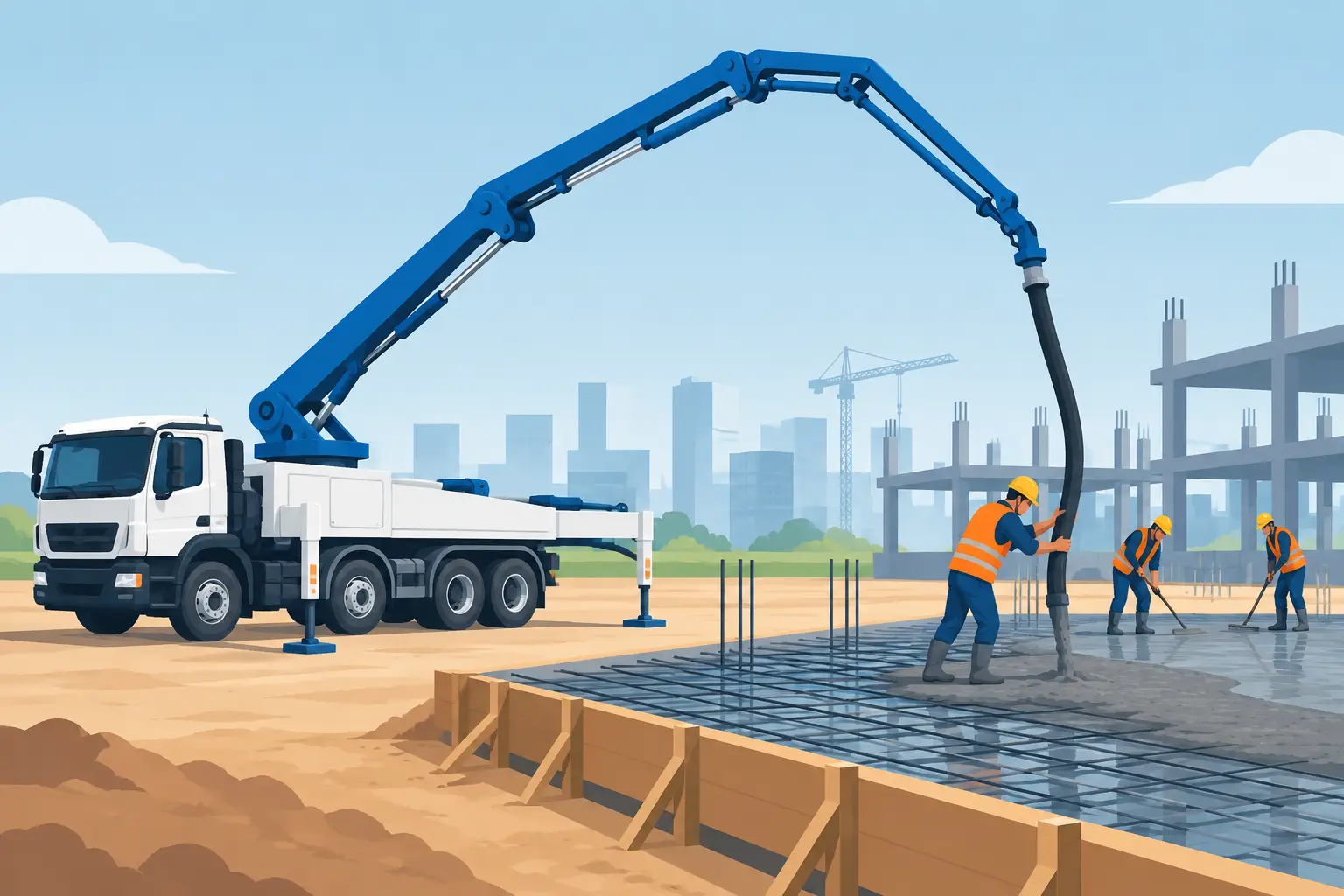
The placing hose should stay close enough to the work to avoid a hard free fall. The crew then consolidates each lift with the correct vibration technique, working around reinforcing steel, dowels, and corners without over-vibrating the concrete. Proper consolidation removes trapped air and helps produce a denser, more consistent wall face.
Communication matters here. The pump operator needs clear direction on where to place next, when to slow the flow, and when to stop. The form crew needs eyes on movement, leaks, and pressure points throughout the pour. A reliable pump crew supports that rhythm, but the site team should still have one person directing placement.
Prepare the Pump Setup Area
Pump performance starts before concrete arrives. The truck needs a firm, level setup area with enough room for safe access, outriggers where required, and ready-mix truck rotation. Soft ground, fresh backfill, steep approaches, and overhead powerlines need to be identified early, not while the first truck is waiting at the gate.
Before booking a pump, have these details ready:
- Wall length, height, thickness, and total concrete volume
- Site access, truck approach, and available setup area
- Distance and elevation from the pump to the furthest placement point
- Mix design, aggregate size, fibres, and any specified admixtures
- Pour sequence, crew size, formwork readiness, and washout location
Photos, site plans, and a quick access discussion can prevent avoidable surprises. If the pump must cross a lawn, work beside an excavation, or set up near finished surfaces, that should be part of the plan from the start.
Keep Alberta Weather in the Placement Plan
Concrete does not wait for ideal weather, and Alberta sites can change quickly. Hot, dry conditions can speed up set time, particularly on exposed walls or windy lots. Cold weather brings a different set of concerns, including frozen subgrade, protected forms, concrete temperature, and curing requirements.
A pump helps reduce placement time, but it does not remove the need for weather planning. Have tarps, curing materials, lighting, heat protection, and a clear truck schedule ready when conditions demand them. The objective is to place, consolidate, finish exposed areas, and protect the concrete without unnecessary gaps in the operation.
Better Placement Helps Protect the Finish
The face of a retaining wall is often visible long after the equipment leaves the site. Clean placement supports cleaner results. When concrete is delivered directly into the forms, there is less handling, less spillage around excavation edges, and fewer chances to contaminate finished landscaping, siding, or neighbouring areas.
That does not mean every wall will come out with a perfect architectural finish. Form quality, release agent, vibration, mix consistency, curing, and stripping practices all influence the surface. Pumping gives the crew better control over how concrete enters the wall. It cannot correct poor forms or rushed consolidation, but it gives good crews the working conditions to do the job right.
A retaining wall pour is easiest when access, equipment, mix, forms, and crew sequence are settled before the first ready-mix truck arrives. Put that plan in place early, and concrete placement becomes one less problem competing for attention on pour day.