(587) 703-6048

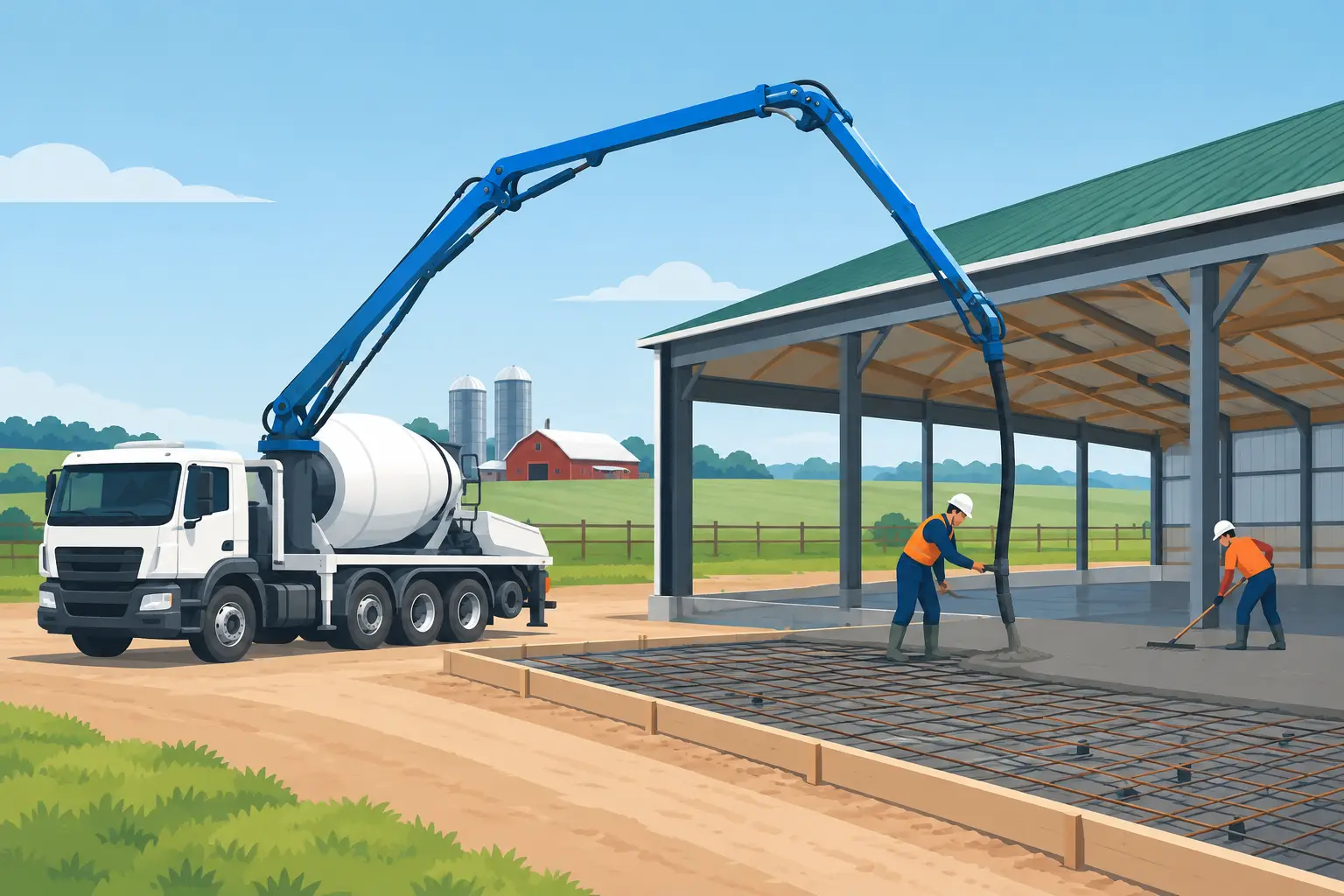
Concrete Pumping for Farm Buildings Done Right

A farm building pour rarely happens on a wide-open, clean urban lot. There may be soft approaches, existing corrals, power lines, equipment traffic, drainage ditches, or a building site set well back from the road. Concrete pumping for farm buildings gives crews a practical way to get concrete where it needs to go without turning placement into a wheelbarrow relay.
For agricultural shops, equipment sheds, livestock facilities, bin foundations, retaining walls, and new home or garage builds, the right pump setup can keep the pour moving, protect the fresh concrete, and reduce the number of people needed around the forms. The key is planning the access, reach, mix, and finishing sequence before the first ready-mix truck arrives.
Where concrete pumping earns its keep on a farm
Farm construction has its own access challenges. A large shop slab may be straightforward once the site is built up and compacted, but the truck chute may still not reach the centre of the pour. A cattle waterer pad or grain-bin base can be located beyond fences, between buildings, or across ground where repeated truck traffic is a bad idea.
A concrete pump separates truck access from placement access. Ready-mix trucks can stage on a firm, suitable route while the boom or line carries concrete to the forms. That matters when a slab is large, when the pour must stay continuous, or when site traffic needs to keep moving around the work area.
Pumping is especially useful for:
- large shop, barn, and machinery-shed slabs
- grade beams, strip footings, and foundation walls
- bin pads and equipment foundations
- livestock alleys, feed lanes, and manure-management structures
- remote pads, retaining walls, and additions with restricted access
The benefit is not simply speed. Consistent placement helps the finishing crew maintain grade and avoid dragging concrete too far across the surface. Less handling also means less chance of segregation, wasted material, or a tired crew falling behind while the concrete continues to arrive.
Match the pump to the building and the site
There is no single pump that suits every agricultural pour. The right choice depends on where the truck can set up, how far concrete must travel, overhead clearance, site conditions, and the amount of concrete being placed.
Boom pumps for broad coverage
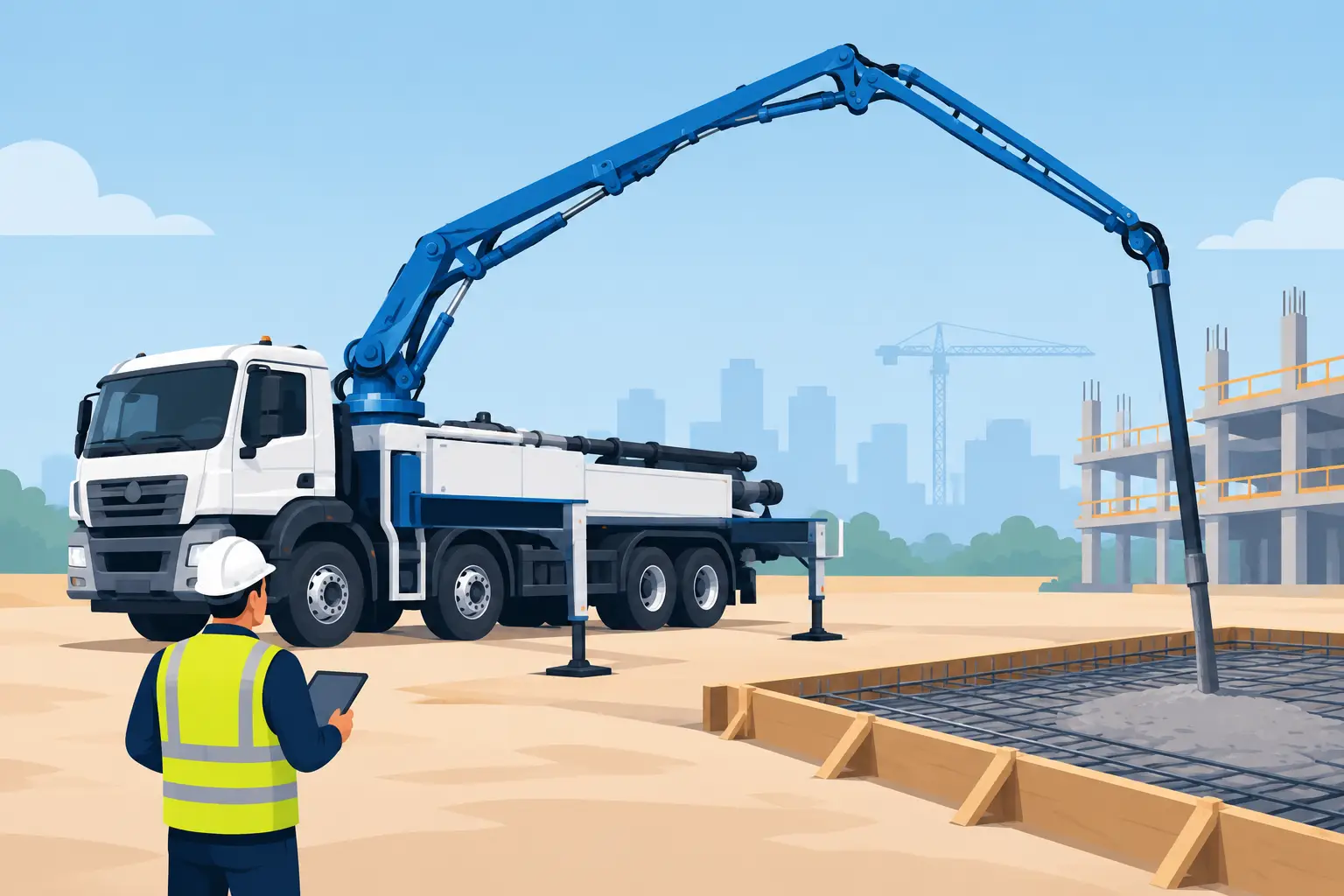
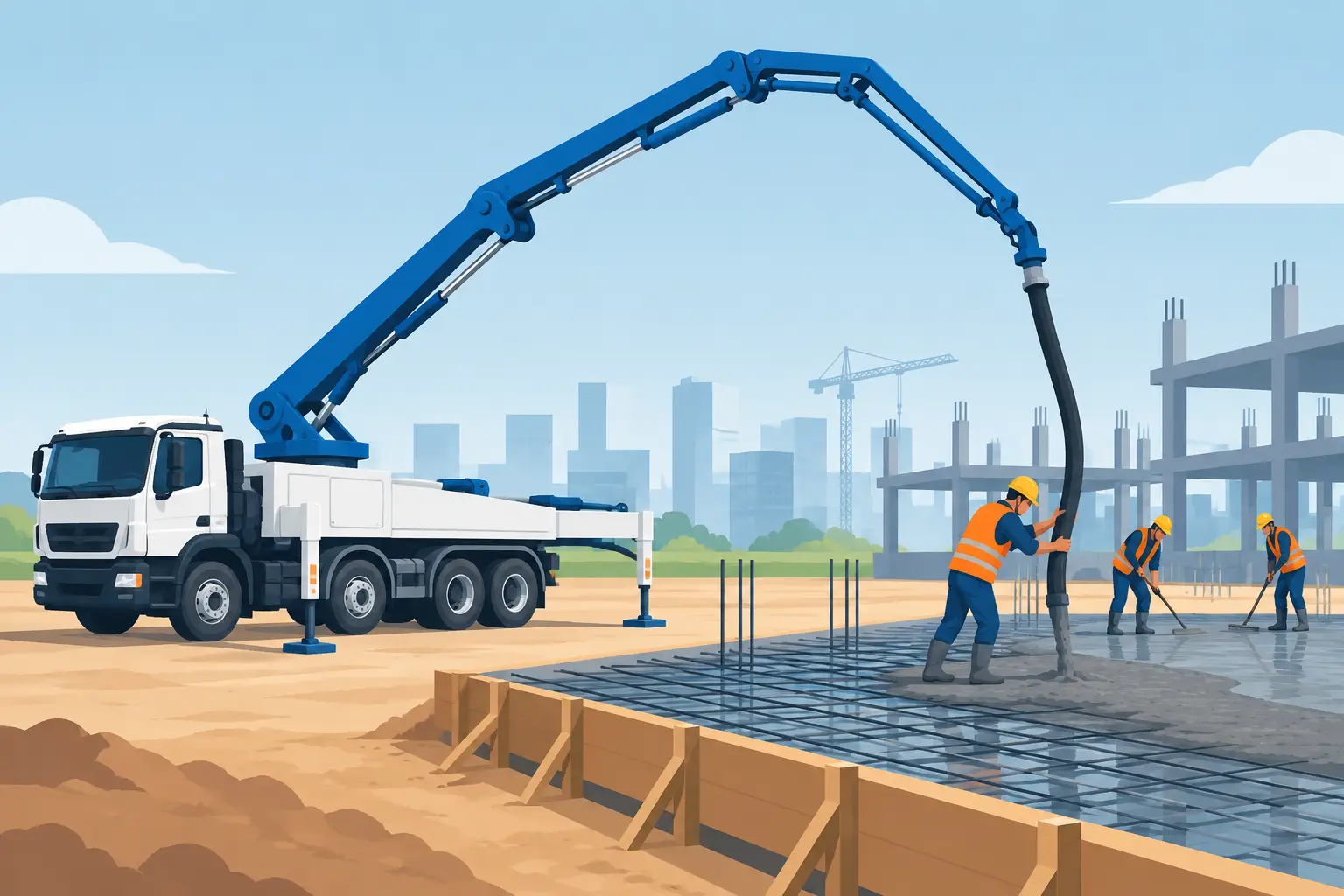
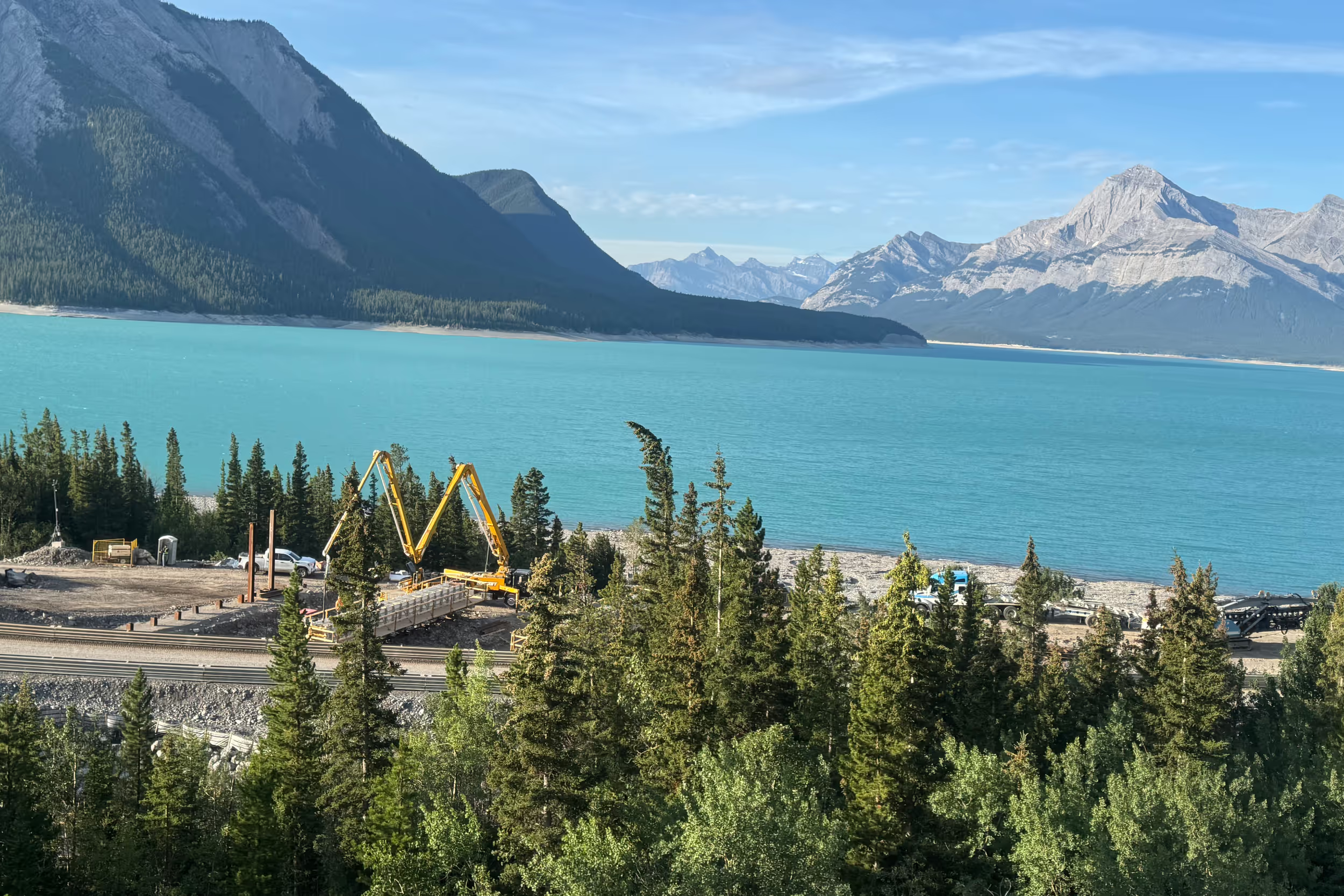
A boom pump is often the efficient choice for large slabs, extensive foundations, and projects where the truck can set up on stable ground beside the building. Its articulated boom reaches over forms, obstacles, and portions of the site that a chute cannot touch. On a shop slab, that can allow the operator to place concrete across a broad area while keeping ready-mix trucks out of the prepared base.
Boom pumps also reduce the need to build temporary access routes through a site. That can be valuable around established yards where fences, landscaping, underground services, or existing structures limit vehicle movement.
Overhead conditions still matter. Power lines, building eaves, trees, and nearby structures must be identified before a boom arrives. A clear setup area is not optional - it is part of a safe pour plan.
Line pumps for tight or awkward locations
A truck-mounted line pump is often the better fit where access is limited or the placement point is difficult to reach with a boom. Line can be run around a building, through a narrow route, or into a confined area where precise placement matters more than broad coverage.
For smaller foundations, interior pads, remote livestock infrastructure, and additions behind an existing building, line pumping can be a practical answer. It does require a planned hose route, suitable support for the line, and room for the crew to work safely. The pump operator and concrete contractor should agree on that route before concrete is dispatched.
At Bandit Concrete Pumping, equipment selection starts with the jobsite, not a one-size-fits-all answer. A high-reach boom, compact roll-and-fold setup, or 4x4 line pump each serves a different purpose. Getting that decision right early prevents avoidable delays on pour day.
Plan the pour before the trucks are booked
Most pump problems are really planning problems. The best time to solve them is during site preparation, not when concrete is already on the road.
Start with the pump setup location. It needs firm, level ground with enough room for the truck and its outriggers where required. Soft shoulders, recently disturbed fill, steep slopes, and buried utilities can create serious issues. If the site is wet, rutted, or subject to spring breakup, confirm the access plan early and be prepared to improve the route.
Next, look at ready-mix truck movement. Trucks need a safe approach, a place to back or turn where necessary, and a clear path out after discharge. On farm sites, that may mean moving equipment, opening gates, controlling livestock, or temporarily changing normal yard traffic.
The concrete mix must also be suitable for pumping. Aggregate size, slump, admixtures, fibre, and air entrainment all affect how a mix moves through a line. This is not a reason to use a weak or overly wet mix. It is a reason for the concrete supplier, contractor, and pump operator to be working from the same specifications. A mix designed for the slab, exposure conditions, and pumping method gives the crew a better chance of maintaining placement and finish quality.
Keep the crew ahead of the concrete
Pumping can place concrete quickly. That is an advantage only when the forming, placing, vibrating, screeding, and finishing crews are ready to keep pace.
For a large floor slab, establish the pour sequence in advance. Decide where placement begins, how the crew will work across the slab, where construction joints belong, and how finishing equipment will move without damaging fresh concrete. On exterior agricultural slabs, also consider drainage and slope. Water that sits against a shop door, feed area, or livestock building becomes a long-term operating problem.
Foundation work needs the same discipline. Forms must be braced, the crew needs access for consolidation and checking elevations, and the placement rate must suit the form system. Pumping does not remove the need for proper vibration and inspection. It makes it easier to get concrete to the work face.
Weather is another Alberta variable. Hot, dry wind can pull moisture from a slab quickly, while cool weather can slow set times and change finishing windows. Plan curing materials, protection, and labour around the forecast. A fast placement rate does not change the need to cure concrete properly once it is down.
Protect the site and the finished work
A clean pour is easier to finish and easier to hand back to the owner. Before pumping begins, identify where washout will be handled, protect finished surfaces, and keep hose movement controlled around forms, reinforcement, and nearby buildings.
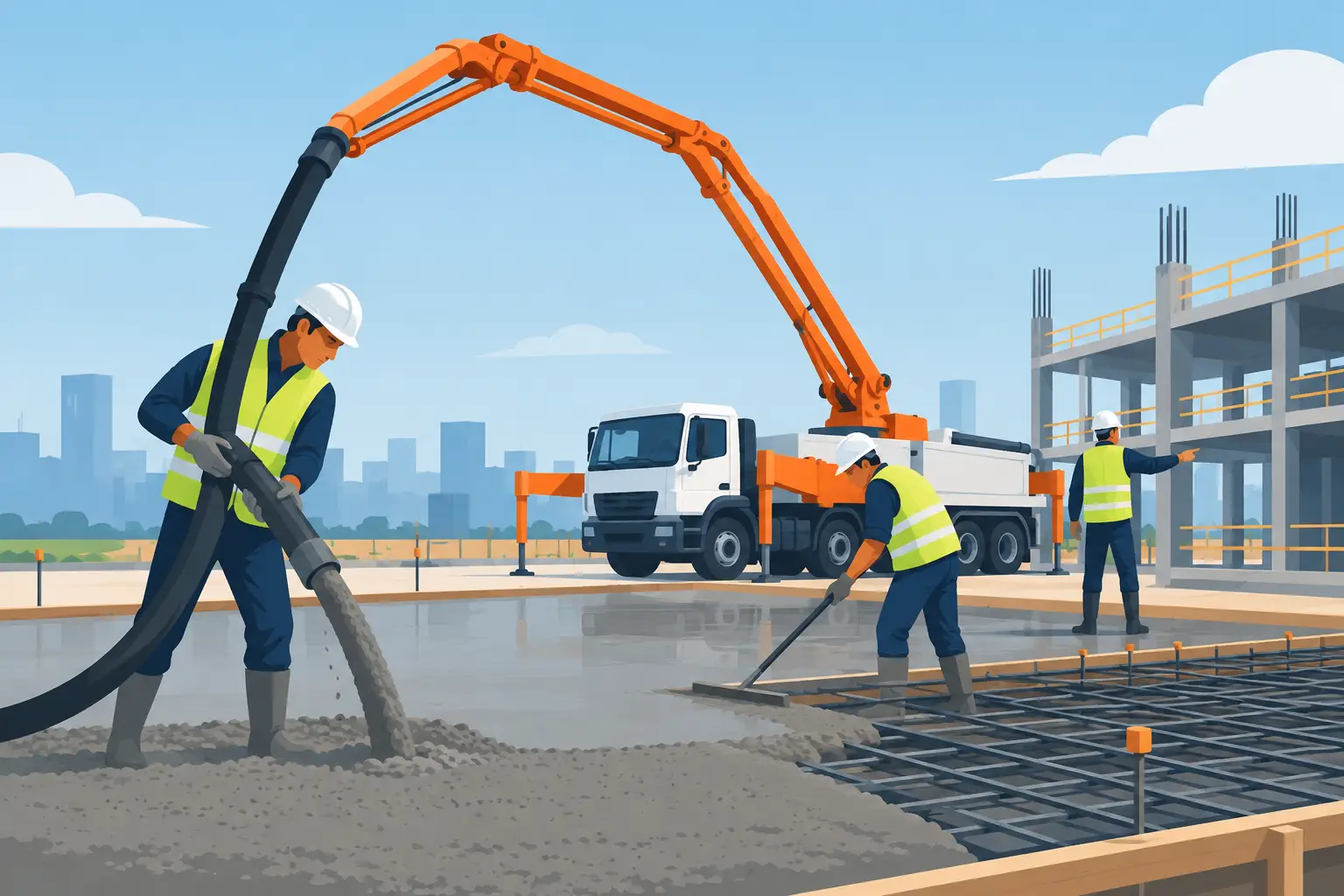
The discharge hose has weight and movement, particularly when a line is primed or the pump changes output. It should be handled by a crew that understands the work, not by anyone standing nearby. Keep unnecessary people clear of the placement area and maintain direct communication between the operator, hose crew, and finishing team.
It also pays to think beyond the concrete itself. On active farms, secure animals away from the work zone, mark hoses where equipment may cross, and keep gates and travel lanes usable whenever possible. A good pump plan supports the farm operation instead of shutting down more of the yard than necessary.
When pumping may not be the best choice
For a very small pad with direct truck access, a chute may be the simplest and most economical option. If the site cannot support pump setup or there is no safe route for trucks, the project may need access work before concrete can be placed at all.
But once distance, elevation, restricted access, volume, or labour demands start adding up, pumping often becomes the more controlled option. The comparison should include the full cost of placement - not only the pump charge. Extra labour, slower production, material handling, damage to prepared areas, and cleanup all affect the real number.
A farm building is built to work hard for decades. Give the concrete pour the same level of planning you give the structure above it: firm access, the right equipment, a prepared crew, and enough time to finish and cure the work properly.