(587) 703-6048

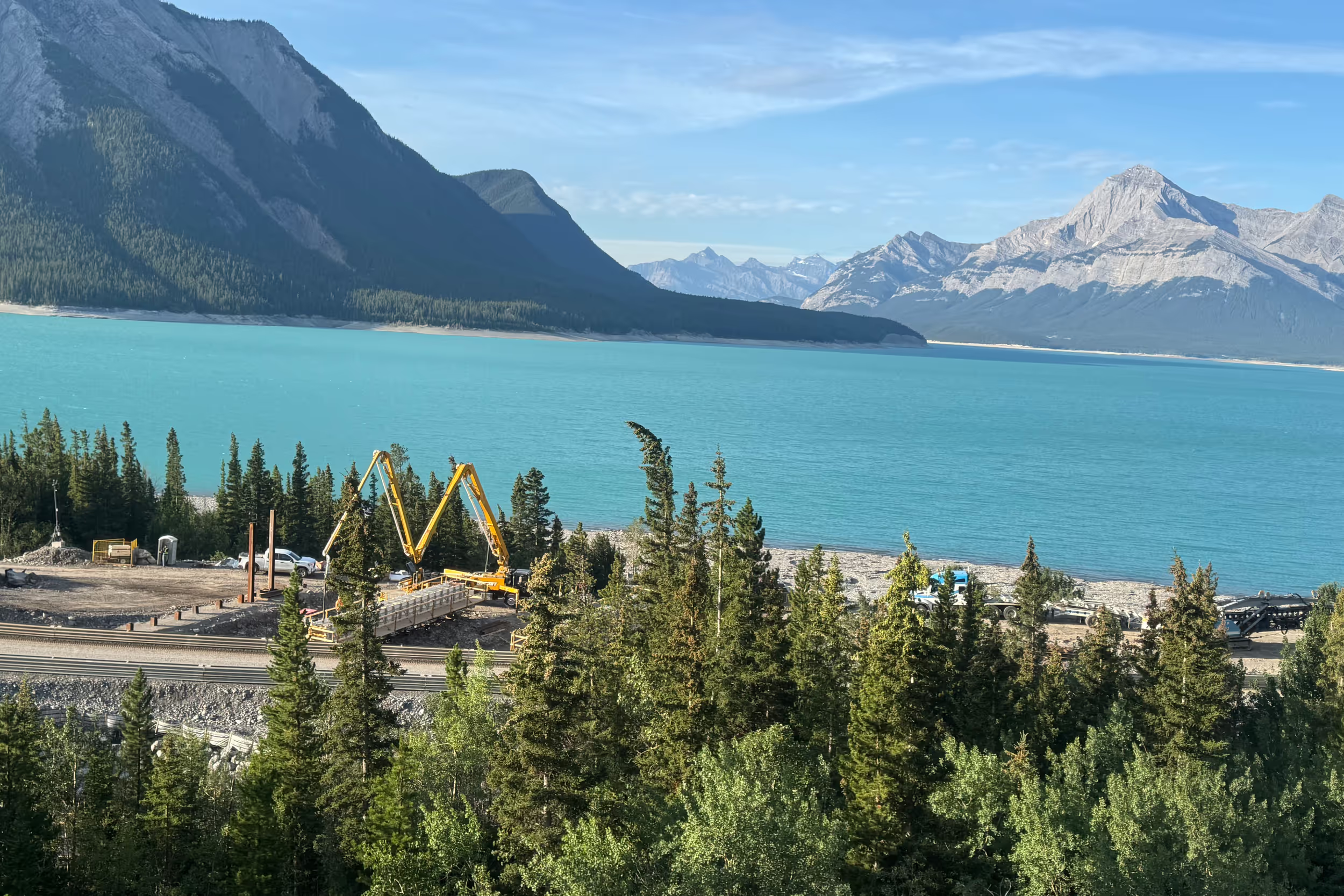

Concrete Pumping Cost Per Hour Explained

A concrete pump can save a crew hours of hauling, but the concrete pumping cost per hour is only useful when it is measured against the full job. A low hourly rate does not help if the pump cannot reach the placement area, the crew is not ready, or the pour takes longer because access was underestimated. The right pump and a prepared site keep concrete moving, finishers working, and the ready-mix schedule on track.
For builders, contractors, and property owners in Central Alberta, pumping is usually a cost-control decision rather than a luxury. It replaces wheelbarrow traffic, reduces handling, improves placement accuracy, and helps crews pour difficult areas before the concrete starts to set. The key is knowing what drives the rate and how to avoid paying for preventable idle time.
What Is Included in Concrete Pumping Cost Per Hour?
Hourly pump pricing generally covers more than the truck itself. You are hiring specialized equipment, an experienced operator, fuel, standard operating costs, and the capability to place concrete where a chute or wheelbarrow cannot work efficiently. The exact scope varies by contractor and by job, so it is worth confirming what is included before the pour is booked.
A boom pump uses an articulated placing boom to deliver concrete across distance, over obstacles, or to elevated and hard-to-reach sections of a site. A truck-mounted line pump moves concrete through hose, making it a practical choice for tighter access, smaller pours, and precise placement around existing structures. The equipment choice affects the hourly cost, but it also affects how quickly and cleanly the work gets done.
Many pumping jobs also have a minimum booking period. This is common because mobilizing a pump, travelling to site, setting up safely, cleaning out, and returning all require time. A short garage pad or small repair pour may therefore be priced differently than a multi-hour foundation pour, even if the actual pumping time is brief.
The Main Factors That Affect the Hourly Rate
Pump size is one of the biggest variables. Larger boom pumps offer greater reach and coverage, which can reduce hose moves and labour on broad foundations, commercial slabs, walls, and elevated placements. They also bring more equipment to the site and require adequate space for truck access and outrigger setup.
A compact boom can be the better fit where access is restricted by neighbouring homes, trees, power lines, fences, or narrow lots. On other jobs, a 4x4 line pump may be the efficient option for carrying concrete through difficult access routes or placing it exactly where it is needed. The lowest-cost pump is not always the best value if it creates more manual handling or slows the pour.
Travel and location also matter. A project near a pump yard will not carry the same mobilization requirements as a remote acreage, agricultural site, or rural commercial build. If the job is outside a contractor's regular service area, travel time and distance can influence the final price.
Site conditions can change the job quickly. Soft ground, steep grades, poor access, overhead hazards, limited setup room, and active trades all need to be considered before a truck arrives. A pump operator needs a stable, safe location to set up and enough room to work without blocking site traffic or creating unnecessary risk.
The concrete mix and placement requirements matter as well. Some mixes, aggregate sizes, fibres, additives, and slump specifications need additional planning to pump consistently. The ready-mix supplier, concrete contractor, and pump provider should be working from the same pour plan. A mix that is not suitable for the planned line, hose length, or placement method can cause delays that no one wants to absorb.
Why Hourly Cost Is Not the Whole Cost
Looking at concrete pumping cost per hour without considering production can lead to the wrong decision. A pump may carry a higher direct cost than chute placement, but it can eliminate several labourers, reduce forms and landscaping damage, limit concrete waste, and shorten the overall pour window.
Consider a basement foundation with limited access. Moving concrete by wheelbarrow may require a large crew, repeated trips across the lot, more cleanup, and a higher chance of inconsistent placement. A properly selected boom or line pump can deliver concrete directly to the wall forms, allowing the placing crew and finishers to focus on their actual work. The pump cost becomes part of a faster, more controlled operation.
The same applies to large slabs. A boom with enough reach can cover wide areas from a single setup position, reducing the time spent moving equipment and hose. On a busy commercial site, that efficiency can help keep other trades, deliveries, and traffic moving instead of creating a bottleneck around the pour.
There are cases where pumping is not the right choice. If a small pour has direct truck access and the chute can reach every placement point safely, pumping may add cost without enough benefit. A straight answer from the pump provider should account for this. The goal is not to put a pump on every job. It is to use one when it solves a real access, labour, speed, or quality problem.
How to Build an Accurate Pumping Budget
The most reliable budget starts with clear job information, not a rough guess at truck hours. Before requesting a quote, have the pour volume, placement location, preferred date, ready-mix schedule, and site address ready. Photos, site plans, or a quick description of access can help identify the right equipment before dispatch.
Be specific about what is between the truck and the pour. Mention gates, narrow driveways, overhead lines, retaining walls, soft ground, road restrictions, existing buildings, and distance from the best setup area to the farthest placement point. If the pump needs to reach over a house, around a building, or down a slope, say so early.
Your crew plan matters just as much as the pump plan. Forms should be complete, rebar and embeds checked, washout arranged, and the placement crew ready before the first ready-mix truck arrives. A pump is built to keep concrete moving. If trucks are late, forms are still being adjusted, or finishers are not ready for the volume being placed, the clock still runs.
It also helps to schedule enough concrete trucks for a steady supply. A pump operator can place concrete quickly, but the operation slows down when there is a gap between ready-mix loads. Coordinate dispatch with expected pump output, site access, and the pace your crew can properly handle. Faster is only better when placement, consolidation, and finishing remain under control.
Avoiding Charges for Delays You Can Prevent
A well-prepared site protects the budget. Confirm the pump setup area is clear and that the ground can support the truck and outriggers. Keep vehicles, material stacks, and dumpsters out of the access route. If there are overhead utilities, identify them before the day of the pour and maintain the required clearances.
Do not treat the pump as the only moving part of the job. Ready-mix timing, labour availability, traffic control, weather, concrete testing, and finishing capacity all affect productive pump time. Alberta weather can add another layer, especially when rain, wind, frozen ground, or extreme temperatures affect access and concrete handling.
Cleanup should be planned, not improvised. Have an approved washout location ready and make sure the crew understands where it is. Good jobsite practices reduce mess, protect the property, and keep the pump crew focused on completing the work safely.
Choosing the Right Pump Partner
The cheapest quote may not account for the details that decide whether the pour goes smoothly. Ask what pump configuration is being proposed, whether the operator has reviewed access, what minimum time applies, how travel is handled, and what site preparation is required. Clear answers make it easier to compare quotes on the same basis.
Bandit Concrete Pumping matches boom and line-pump equipment to the access, reach, and placement requirements of Alberta jobsites. That matters on everything from residential footings and garage pads to commercial slabs, agricultural builds, and industrial work. Experienced operators can spot issues before they become delays and help the placing crew work efficiently once concrete starts arriving.
Before you book, walk the site with the pour in mind: where the pump will set up, where the concrete trucks will stage, where the farthest placement point sits, and where washout will happen. That short bit of planning is often what turns an hourly pumping expense into a controlled, productive pour.