(587) 703-6048


What Drives Concrete Pumping Cost in Calgary?

A low concrete pumping cost Calgary quote can look good on paper, but the real number is tied to how the pour performs on site. If the pump cannot reach the placement area, the crew is waiting on ready-mix, or access is not prepared, a small pour can become an expensive day. The right pump and a properly planned setup keep concrete moving, reduce handling, and give finishers a better shot at a consistent result.
For Calgary builders, contractors, and property owners, pumping is often less about finding the lowest hourly figure and more about controlling labour, time, cleanup, and risk. A clear quote starts with the details of the pour.
Concrete Pumping Cost in Calgary: The Main Factors
Concrete pump pricing is usually built around equipment, operator time, travel, setup requirements, and the amount of concrete being placed. Every job has a different combination of those factors. A garage slab with open truck access is not priced or planned like a foundation behind an occupied home, a commercial slab with a long reach, or an industrial pour with strict site controls.
Pump type and required reach
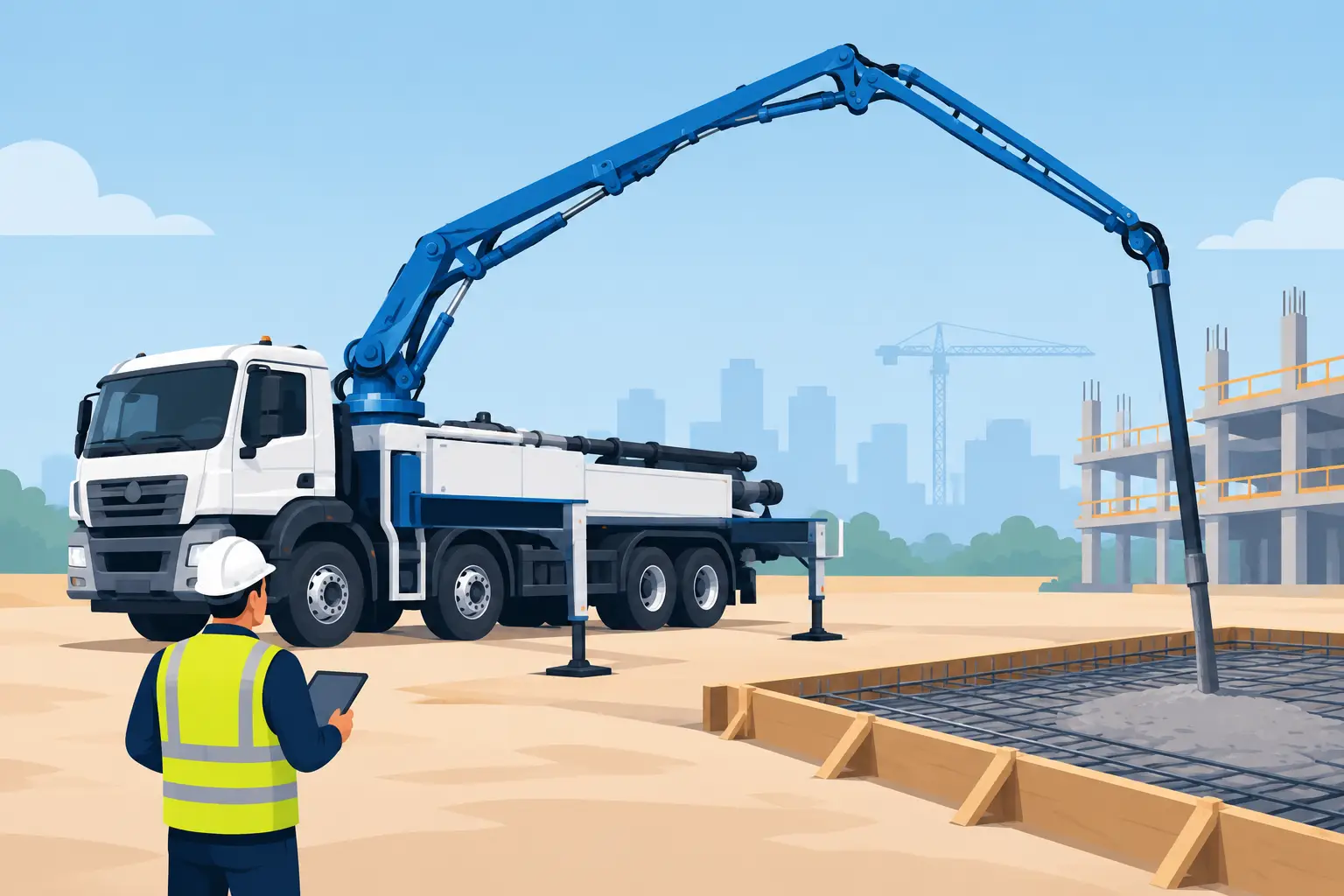
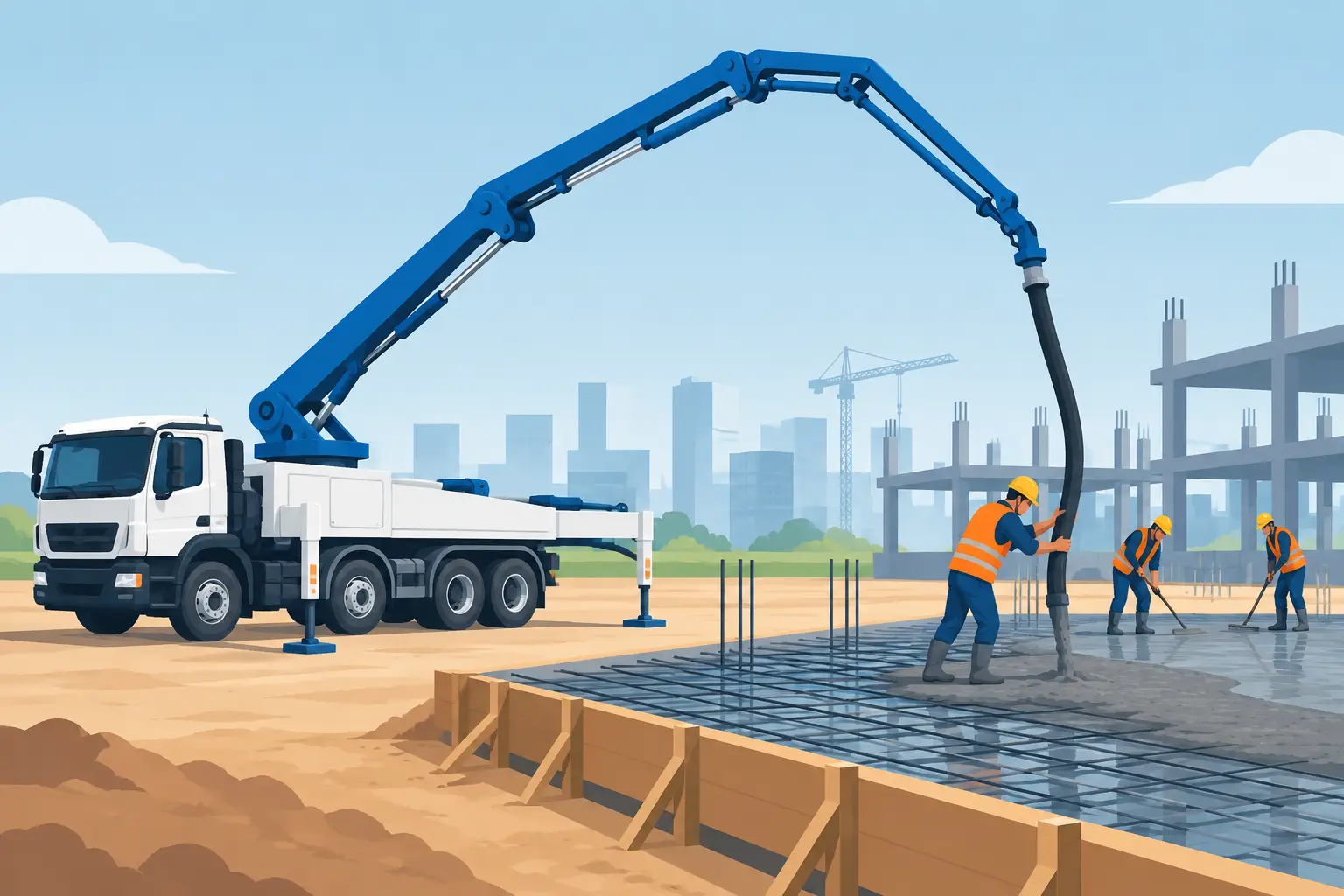
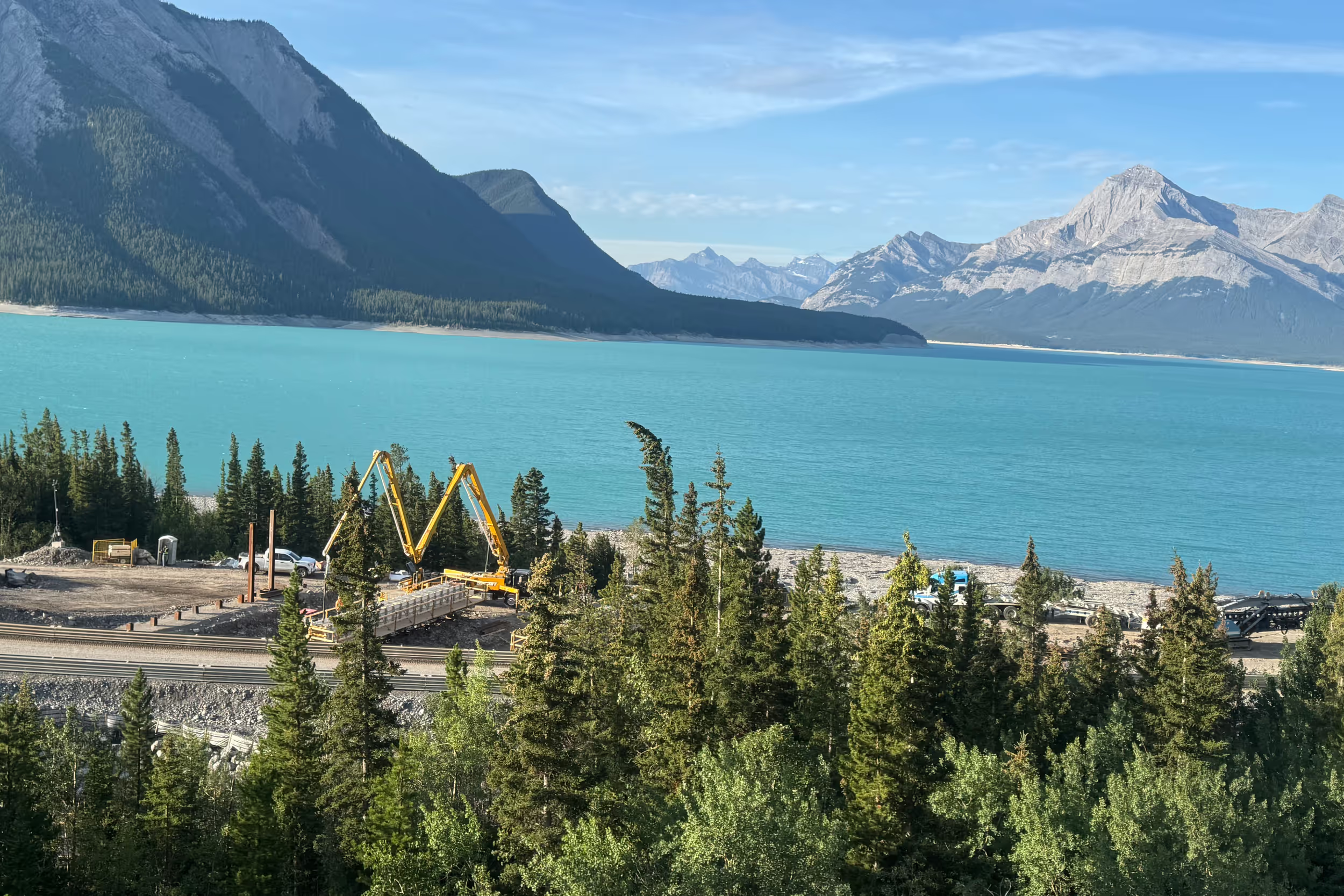
Boom pumps are built to place concrete over obstacles and across a broad work area. They are a practical choice when the mixer truck cannot back directly to the forms, when the pour needs reach over a building or excavation, or when a large slab needs continuous coverage. Bigger booms and longer reaches can carry a higher operating cost, but they can also eliminate significant manual handling and keep a larger pour moving.
A compact roll-and-fold boom may be the better fit for a tighter residential site. It can work where overhead clearance, neighbours, trees, fences, or narrow access make a larger setup impractical. The key is matching the machine to the site, rather than paying for reach that is not needed or trying to force undersized equipment into a difficult placement.
A truck-mounted line pump is often the right answer for precise placement in restricted areas. It can move concrete through hose where a boom truck cannot set up effectively, such as a backyard addition, a remote section of a property, or a location with limited access. Line pumping may require more hose handling and planning, so the layout and distance matter when pricing the work.
Pour size and production rate
Pump time is a major part of the cost. Larger pours can be efficient because setup time is spread across more cubic metres, provided ready-mix deliveries arrive in sequence and the crew is ready. Small pours may still carry minimum charges because a pump, operator, and support equipment must be dispatched, inspected, set up, cleaned, and returned regardless of volume.
The target production rate also matters. A foundation wall or heavily reinforced area may need slower, controlled placement. An open slab can often move faster if the placing crew, finishers, and ready-mix trucks are coordinated. Pumping concrete quickly is useful only when the rest of the job is prepared to receive it.
Access, setup, and site conditions
A good pumping quote accounts for where the truck will park, where the outriggers will sit, and how the boom or hose will reach the forms. Soft ground, steep grades, overhead power lines, congested streets, narrow lanes, and parked vehicles can all affect the setup. Calgary jobs can also involve tight infill lots, winter snow storage, or changing ground conditions during spring breakup.
Access problems do not always prevent pumping, but they need to be identified early. A site visit, photos, measurements, and a direct conversation before pour day can prevent avoidable delays. The operator needs stable ground and sufficient working room to run safely. That planning is part of protecting the schedule and the people on site.
Travel, scheduling, and standby time
Travel distance from the dispatch area can be included in the quote, particularly for jobs outside Calgary or in surrounding communities. The requested pour time matters too. Early starts, after-hours work, weekend scheduling, or short-notice dispatch may affect availability and cost.
Standby time is one area where crews can lose control of a budget. If ready-mix trucks are late, forms are unfinished, reinforcing steel is still being tied, or a crew is not ready to place, the pump and operator may be waiting. Weather can create the same issue. Alberta conditions change quickly, so a realistic backup plan for rain, heat, wind, or cold weather is worth discussing before the truck arrives.
What a Pumping Quote Should Make Clear
Comparing concrete pump quotes only works when the scope is the same. Ask whether the price includes the operator, travel, setup, a minimum pumping period, washout expectations, additional hose, and standby rates. Also confirm the pump type proposed. A quote for a line pump is not directly comparable to one for a boom pump if the job needs reach over a house or across an excavation.
Be ready to provide the concrete volume, mix design, slump requirements, pour location, site address, preferred date and time, and a simple description of access. Photos from the street to the placement area are useful. If there are power lines, low structures, gates, unusual grades, or traffic restrictions, say so upfront. Accurate information allows the pumping contractor to send equipment that fits the job rather than making last-minute changes on site.
It is also wise to coordinate the pump with the ready-mix supplier. The pump operator controls placement, but the full pour depends on a steady supply of concrete. For larger placements, truck spacing and concrete volume should be planned so there are no long gaps that affect the pour, finish quality, or pump utilization.
When Pumping Saves More Than It Costs
Wheelbarrows and chutes can work on simple, close-access jobs. They are not automatically the cheaper choice. Once concrete must travel around a building, down a slope, through a narrow opening, or across a large area, labour demands climb fast. More handling can mean slower placement, more spillage, more site cleanup, and more pressure on the finishing crew.
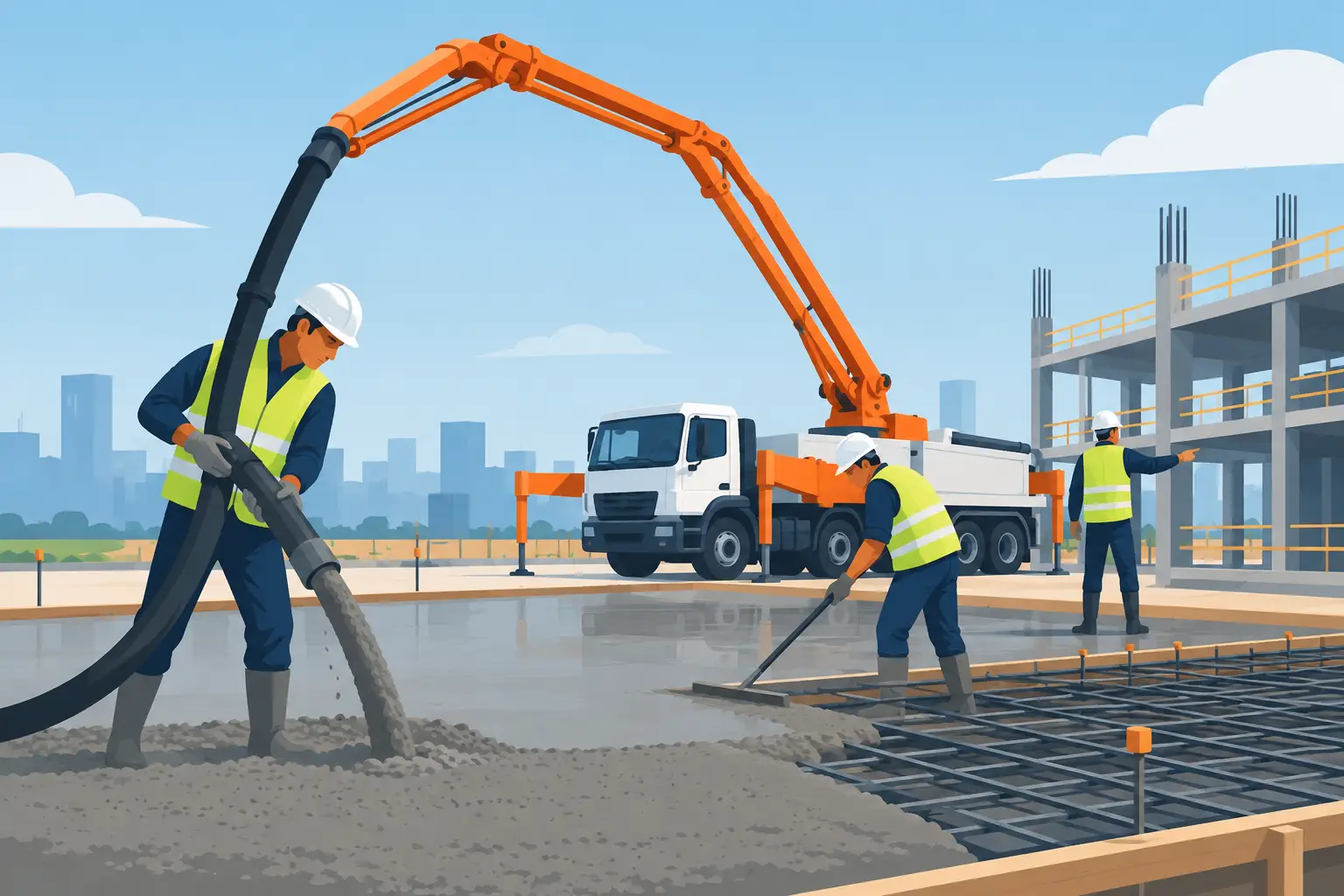
A pump puts concrete where it is needed with controlled placement. That can reduce the number of labourers required to move material, limit waste, and improve access to difficult forms. On a larger slab, wall, shop floor, or commercial project, the time saved may outweigh the pumping charge. On a very small, straightforward pour with direct chute access, a pump may not be necessary. The practical answer depends on the site, not a rule of thumb.
For homeowners, this is especially relevant when building a garage, shop, addition, or backyard structure. A pump can avoid running loaded wheelbarrows across landscaping, through side yards, or over finished areas. For contractors, it can help keep crews focused on placing, vibrating, screeding, and finishing instead of moving concrete by hand.
How to Keep Pumping Costs Under Control
The best cost control happens before dispatch. Have forms complete, reinforcing checked, access cleared, and the placing crew on site before the pump arrives. Confirm the concrete order and delivery sequence, identify the washout location, and make sure no vehicles or materials block the setup area.
Avoid guessing on reach. Measure the distance from the proposed pump position to the farthest placement point and account for height changes or obstacles. If the job is tight, send photos early. It is far less expensive to plan for the right boom or hose layout than to discover a reach issue with trucks already on site.
Clean, organized sites also help the job finish properly. Pumping creates less scattered concrete than repeated wheelbarrow runs, but it still requires a defined cleanup and washout plan. Clear expectations protect the property and keep the crew moving.
Bandit Concrete Pumping works with boom pumps and a truck-mounted 4x4 line pump so contractors and property owners can match the equipment to the placement challenge. The goal is straightforward: arrive prepared, place concrete accurately, and keep the pour moving without creating a labour bottleneck.
Before booking, treat the pump plan as part of the concrete plan, not an add-on. A few clear details about access, volume, timing, and placement can turn a difficult pour into a controlled workday.