(587) 703-6048

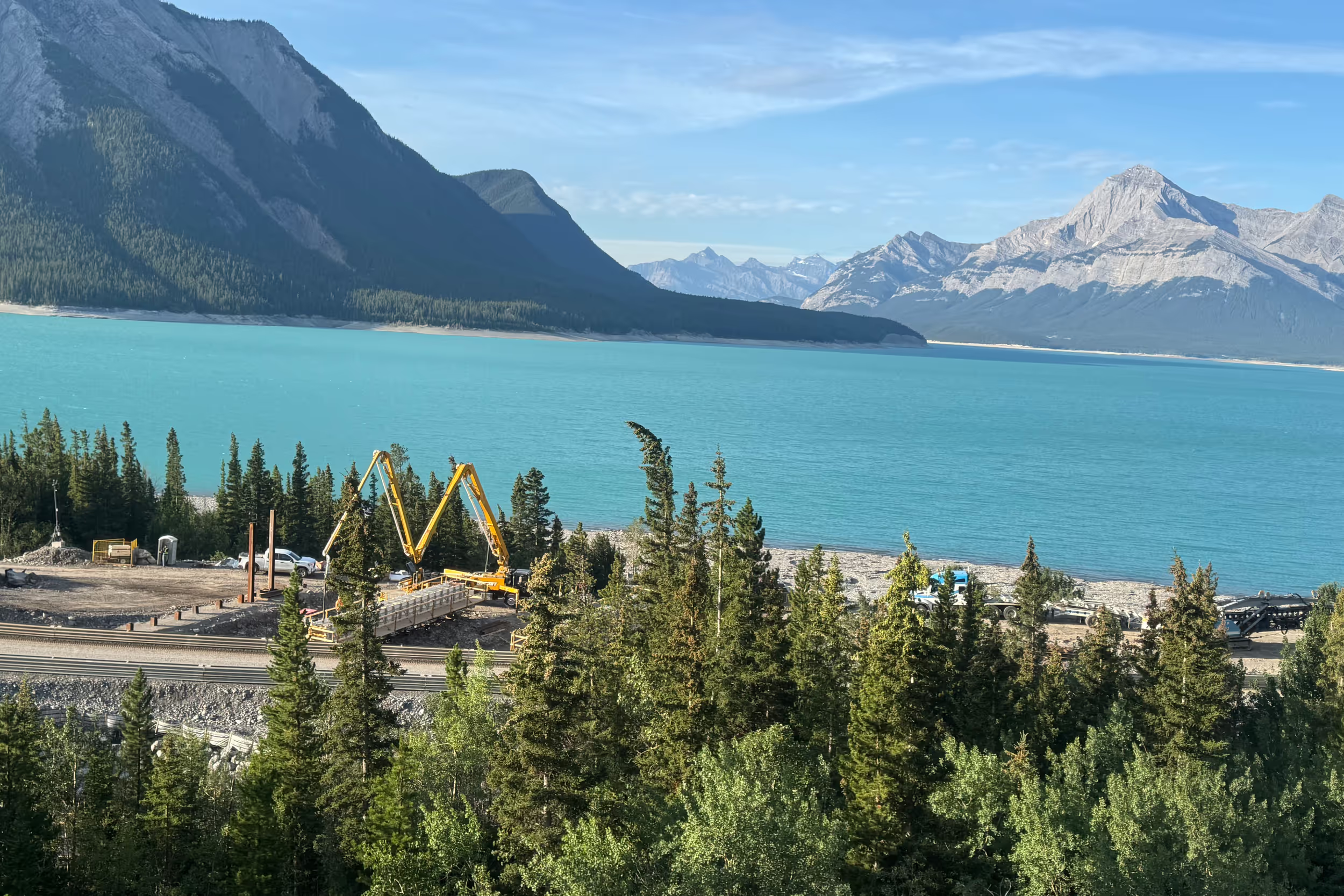
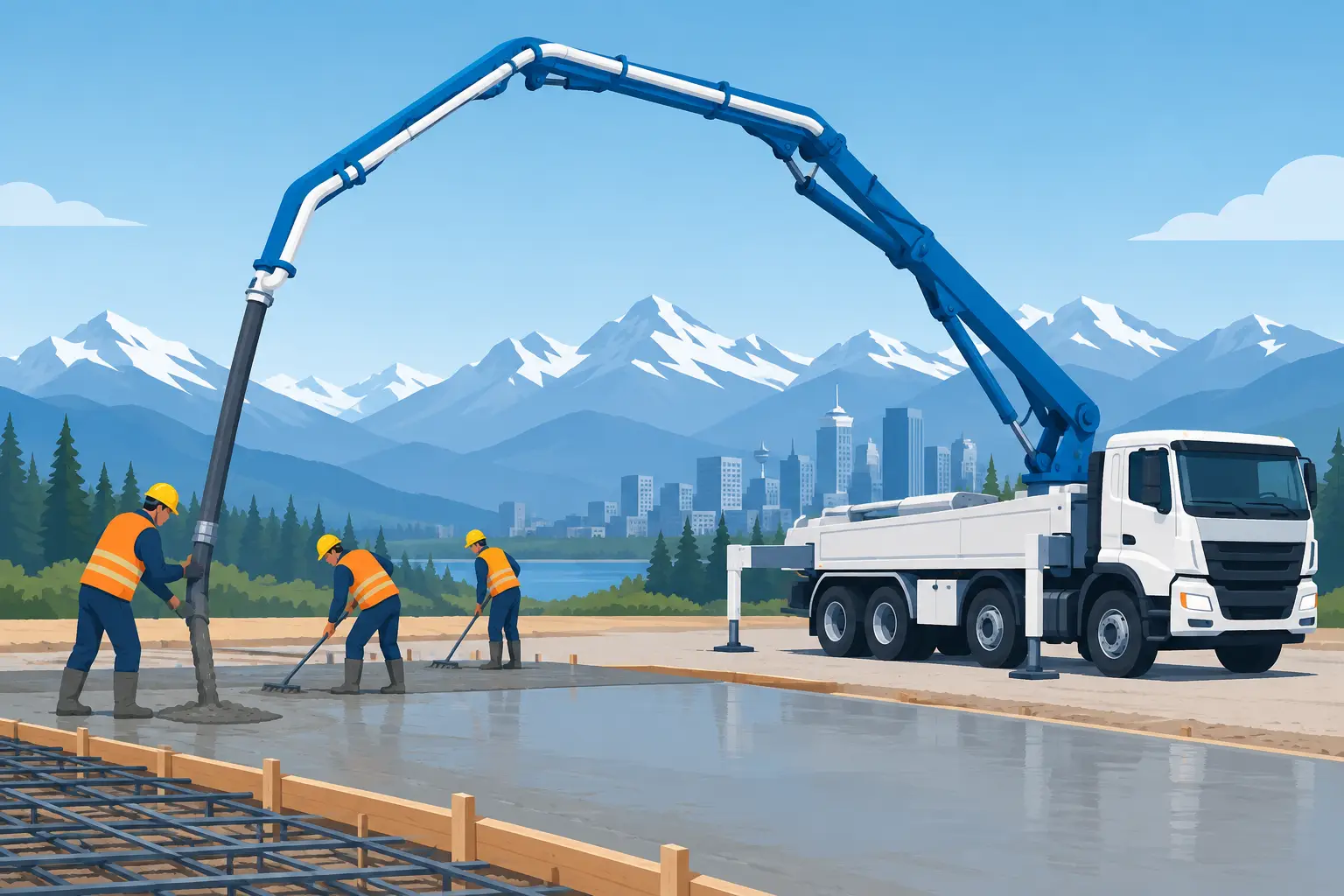
Concrete Pump Truck Rental for Alberta Pours

A concrete crew can lose hours moving mud before the finishing work even starts. A properly planned concrete pump truck rental puts concrete where it needs to go - over a house, around a tight commercial site, across a large slab, or into an area a mixer chute cannot reach - without turning the pour into a labour bottleneck.
For Alberta contractors and property owners, pumping is not only about reach. It is about keeping the concrete moving at the right pace, protecting access routes, reducing handling, and giving finishers a consistent supply of material. The right pump, operator, mix, and site plan make the difference between a controlled pour and a costly scramble.
When Concrete Pump Truck Rental Makes Sense
Concrete pumping is often the practical choice when direct chute placement is limited or when a pour is large enough that wheelbarrows and skid steers will slow the crew down. Foundation walls, suspended slabs, garages, shop floors, basements, retaining walls, grain bins, commercial footings, and industrial pads are all common pump jobs.
A pump is especially valuable when the placement area sits behind a building, below grade, above grade, or across ground that should not carry ready-mix truck traffic. Instead of repeatedly relocating trucks or hauling concrete by hand, the operator can place material directly along the form line or work area.
That said, not every job needs a large boom pump. A short, open-access residential driveway pour may be handled efficiently with a mixer chute. Pumping becomes the better option when access, distance, elevation, production speed, or cleanup creates a real constraint. The goal is not to bring the biggest machine to every site. It is to bring equipment that solves the site problem without adding unnecessary cost or setup time.
Choosing the Right Concrete Pump Truck Rental
The first question is usually, “How far does the concrete need to travel?” The better question is, “What does the full placement path look like?” Reach includes horizontal distance, vertical height, obstacles, truck setup space, and where the operator can safely position the boom or line.
Boom pumps for reach and production
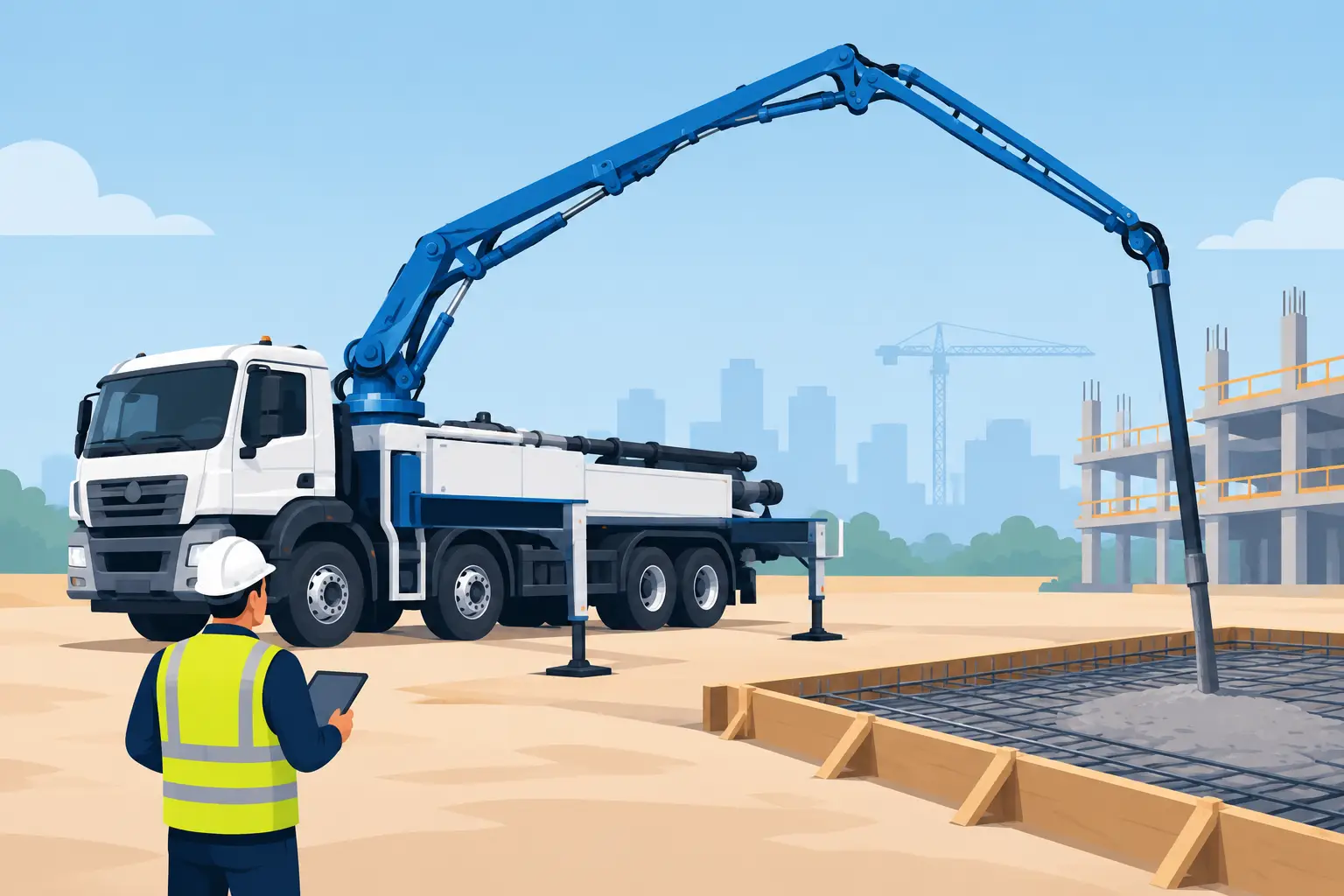
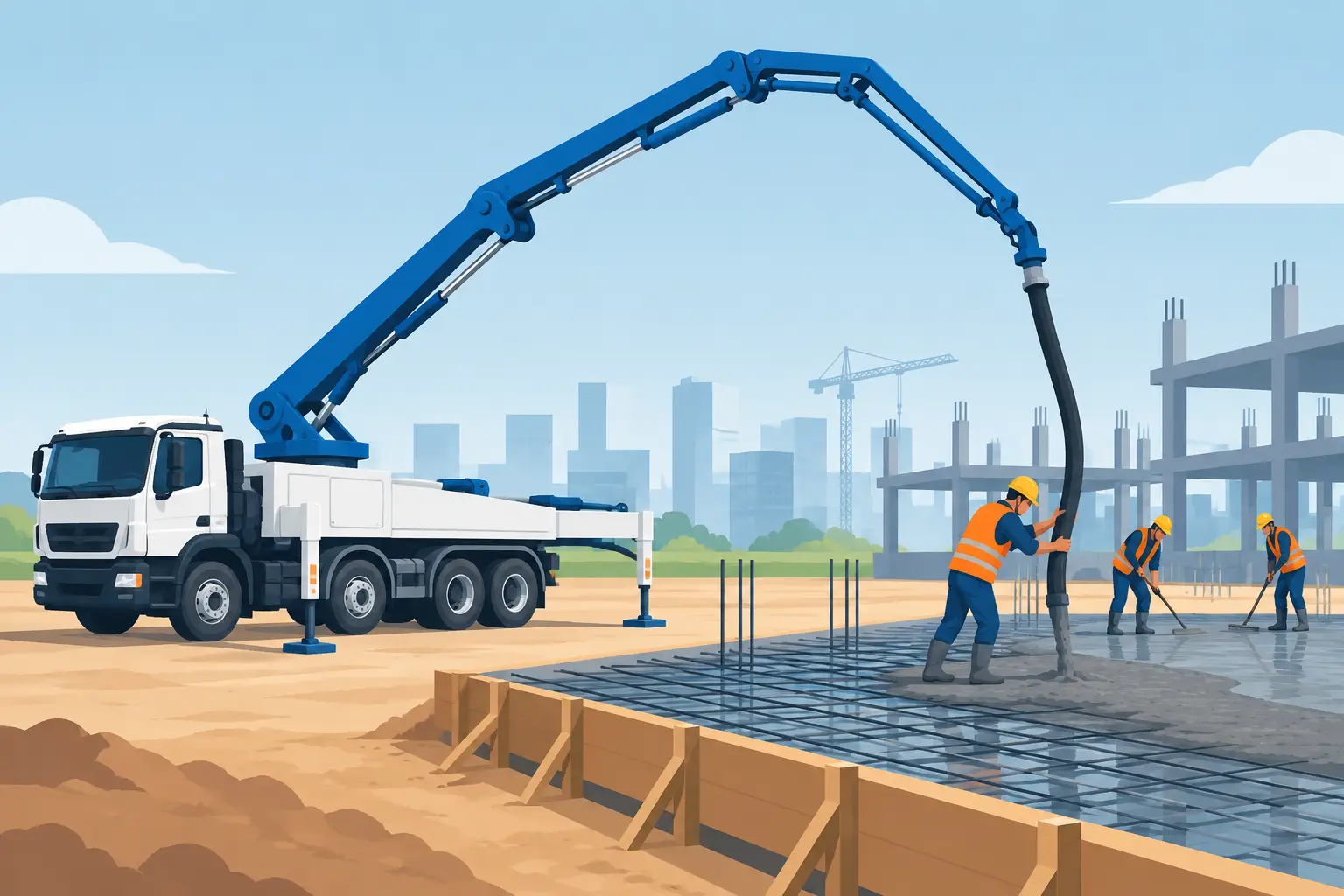
A boom pump is the workhorse for projects that need broad coverage and fast placement. The articulated boom carries the delivery line over obstacles and gives the operator control over where concrete lands. It works well for large slabs, foundation work, commercial construction, elevated pours, and sites where trucks must stay well away from the placement area.
Boom length matters, but it is not the only consideration. A larger boom needs room for outriggers, safe setup, and movement around overhead lines, buildings, trees, and other trades. On a congested site, a compact roll-and-fold boom may offer better access than a larger truck with more reach on paper.
Line pumps for tight or difficult access
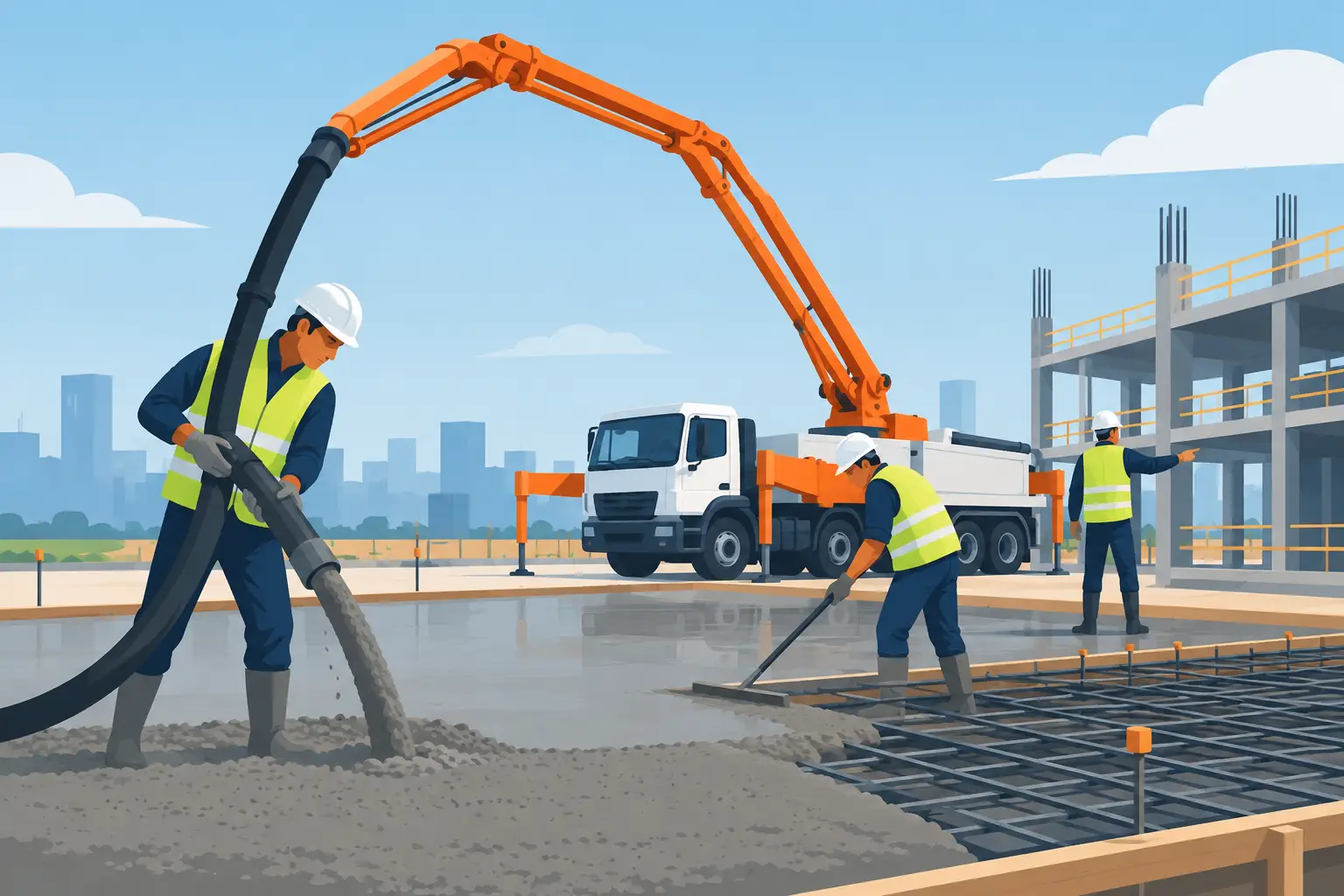
A truck-mounted line pump is built for precise placement where a boom cannot set up or does not make sense. Delivery hose can be run through a backyard, around a structure, into a basement excavation, or across a site with limited overhead clearance.
For rural, acreage, agricultural, and restricted-access work, a 4x4 line pump can be a strong fit where ground conditions are less forgiving. Line pumping takes more planning for hose routing and labour at the discharge point, but it can get concrete into locations that would otherwise require extensive manual handling.
Match the pump to the mix and pour rate
The pump must also suit the concrete mix. Aggregate size, slump, fibre content, admixtures, and batch consistency all affect pumpability. A mix that is too harsh, too dry, or poorly specified for pumping can lead to slow output, line pressure problems, or blockages.
Discuss the mix design and required placement rate before the truck arrives. A foundation crew may need a controlled, steady flow to avoid overloading forms. A large slab crew may need higher production to stay ahead of joints and maintain a workable finishing schedule. Pump capacity, ready-mix delivery timing, and crew readiness must work together.
Site Preparation That Keeps the Pour Moving
The pump truck cannot solve a site that is not ready. Good preparation protects the schedule, reduces risk, and gives the operator room to work efficiently.
Confirm the setup location before pour day. The truck needs firm, reasonably level ground, adequate space for outriggers if a boom pump is used, and a clear route in and out. Soft shoulders, fresh landscaping, steep grades, buried services, and narrow gates should be identified early instead of discovered when the truck arrives.
Overhead hazards deserve special attention. Power lines, tree limbs, roof edges, scaffolding, and neighbouring structures can restrict boom movement. The operator needs a clear view where possible, but active pours often require a spotter or clear crew communication when the discharge point is out of sight.
The placement area should be formed, braced, accessible, and ready for concrete before the first mixer arrives. Make sure there is a defined route for finishers, vibrators, rakes, and screeds. If hose will cross a lawn, driveway, sidewalk, or interior space, protect surfaces where needed and keep non-essential workers out of the path.
Water supply and washout planning also matter. Concrete pumping is cleaner than hauling material across a site, but there is still equipment cleanup at the end of the pour. Establish the washout area in advance so it does not become a last-minute problem for the owner, general contractor, or neighbouring property.
What to Provide When Booking a Pump
A pump provider can recommend the right equipment faster when the booking details are clear. Share the project address, pour date and target time, concrete volume, mix information, placement type, and the distance or elevation from truck setup to discharge point.
Photos are often useful, particularly for backyard pours, acreage sites, infill projects, and active commercial jobs. A few site images can reveal tight turns, overhead obstructions, limited setup areas, soft ground, or access conflicts that a street address alone will not show.
Also confirm the number of trucks expected, the ready-mix supplier, and the planned truck spacing. If concrete arrives too slowly, the crew may be waiting with the pump set up and labour on site. If trucks arrive too tightly packed, access can become congested. A controlled delivery schedule keeps the pump supplied and helps the finishing crew maintain the pace they need.
Cost Control Starts Before the Truck Arrives
The cost of pumping should be weighed against the whole placement operation, not against the hourly price of a pump alone. Manual transport can require more labour, take longer, create more waste, and make it harder to maintain concrete consistency from one end of the pour to the other.
A pump can reduce those hidden costs by placing material closer to its final position. That means less rehandling, fewer wheelbarrow trips, less traffic over prepared ground, and a cleaner work area. On larger or harder-to-reach pours, those gains can be substantial.
There are still variables that affect cost. Travel distance, boom size, line requirements, difficult setup conditions, waiting time, and special mix demands all matter. The most accurate quote comes from an honest description of the job, including the access challenges. Trying to understate the site conditions rarely saves money once a crew and truck are already committed.
Work With the Pump Operator, Not Around Them
A skilled pump operator is part of the placement crew. They manage equipment setup, monitor the flow, communicate with the ready-mix drivers, and place concrete accurately while watching for changing site conditions. Give the operator a clear point of contact who can confirm where the pour starts, how the crew wants to progress, and when changes are needed.
Keep communication direct during the pour. If forms are moving, a line needs to be shifted, concrete is arriving too wet or too stiff, or the finishing crew needs a different pace, address it immediately. Small adjustments early are easier than fixing a problem after material has been placed.
Bandit Concrete Pumping supplies boom and line-pump options for the access, reach, and placement demands found across Central Alberta. The focus is straightforward: suitable equipment, experienced operators, and a pour that stays organized from setup through cleanup.
The best pump job feels uneventful. Trucks arrive in sequence, concrete reaches the forms without unnecessary handling, finishers stay supplied, and the site is left ready for the next trade. Plan the access, choose the pump that fits the work, and give the placement crew what it needs to keep the pour moving.