(587) 703-6048


Concrete Pump Safety Checklist for Alberta Pours

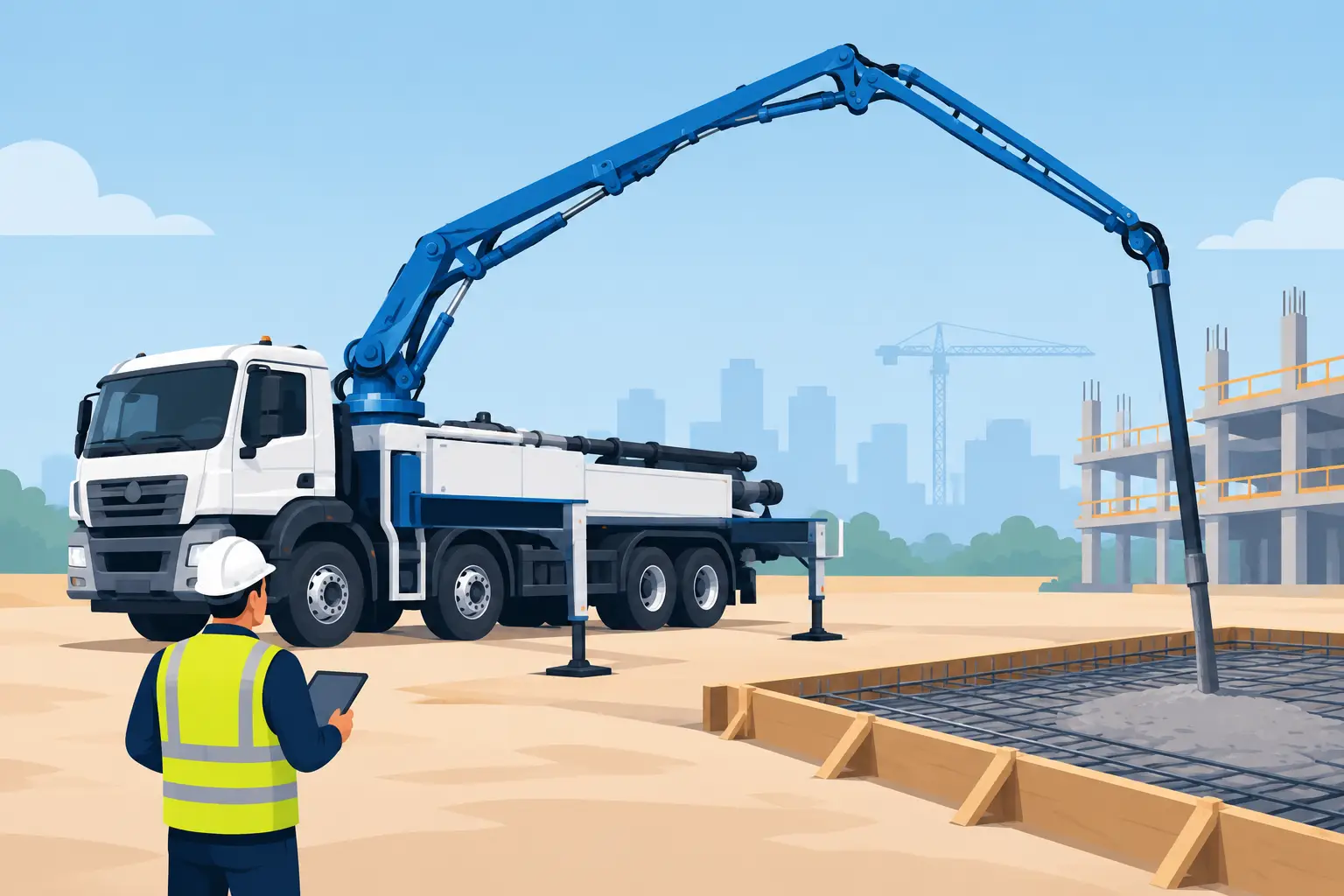
A concrete pump can move a large volume of material quickly, but it also brings high pressure, moving equipment, overhead reach, and a busy pour crew into one work area. A solid concrete pump safety checklist gives everyone a clear plan before the first truck arrives. It prevents avoidable shutdowns, protects the crew, and helps the pour stay productive from setup through washout.
For Alberta contractors, conditions can change fast. Soft ground after rain, wind around forms, tight urban access, overhead lines, and winter footing all affect how a pump should be positioned and operated. The right pump and an experienced operator matter, but safe placement starts with jobsite preparation.
Start the Concrete Pump Safety Checklist Before Arrival
The safest pump setup is planned before the pump truck reaches the site. Confirm the pour location, concrete volume, expected truck sequence, access route, and placement method with the pump provider. A boom pump may provide the reach needed to cover a large foundation, slab, or commercial deck, while a line pump can be the practical choice where access is restricted or placement must travel through a difficult route.
Give the operator accurate site details. This includes gate width, driveway conditions, excavation locations, overhead obstructions, slope, nearby traffic, and where ready-mix trucks will stage. A pump truck cannot safely make up for an access plan that was never considered.
Before the crew starts setting forms or placing rebar, identify a stable setup area that allows room for outriggers, concrete trucks, workers, and hose movement. Keep the pump setup clear of fresh excavation edges, buried services, retaining walls, underground voids, and unproven ground. Outriggers create concentrated loads. Ground that looks firm can still shift under a loaded truck, especially after thaw, rain, or repeated truck traffic.
Check Ground Conditions, Outriggers, and Overhead Hazards
Pump stability is non-negotiable. The operator must assess the ground and determine whether outrigger pads, cribbing, or additional support are required. Do not assume gravel, frozen ground, or a finished driveway can carry the point load. If there is uncertainty, stop and verify the bearing capacity before setting up.
Overhead powerlines require the same discipline. Keep the boom, delivery line, crew, and equipment outside the required clearance distance. The operator needs to see and control the work area, but a designated spotter is often necessary where visibility is limited or the boom must work near structures, trees, or utility corridors.
Conditions may require a change in plan. A tighter setup, a different truck position, extra hose, or a line pump can be safer than trying to force a boom into an unsuitable location. That decision may add time at the front end, but it is far better than risking a tip, contact incident, damaged property, or a cancelled pour.
Set Clear Roles Before Concrete Starts Flowing
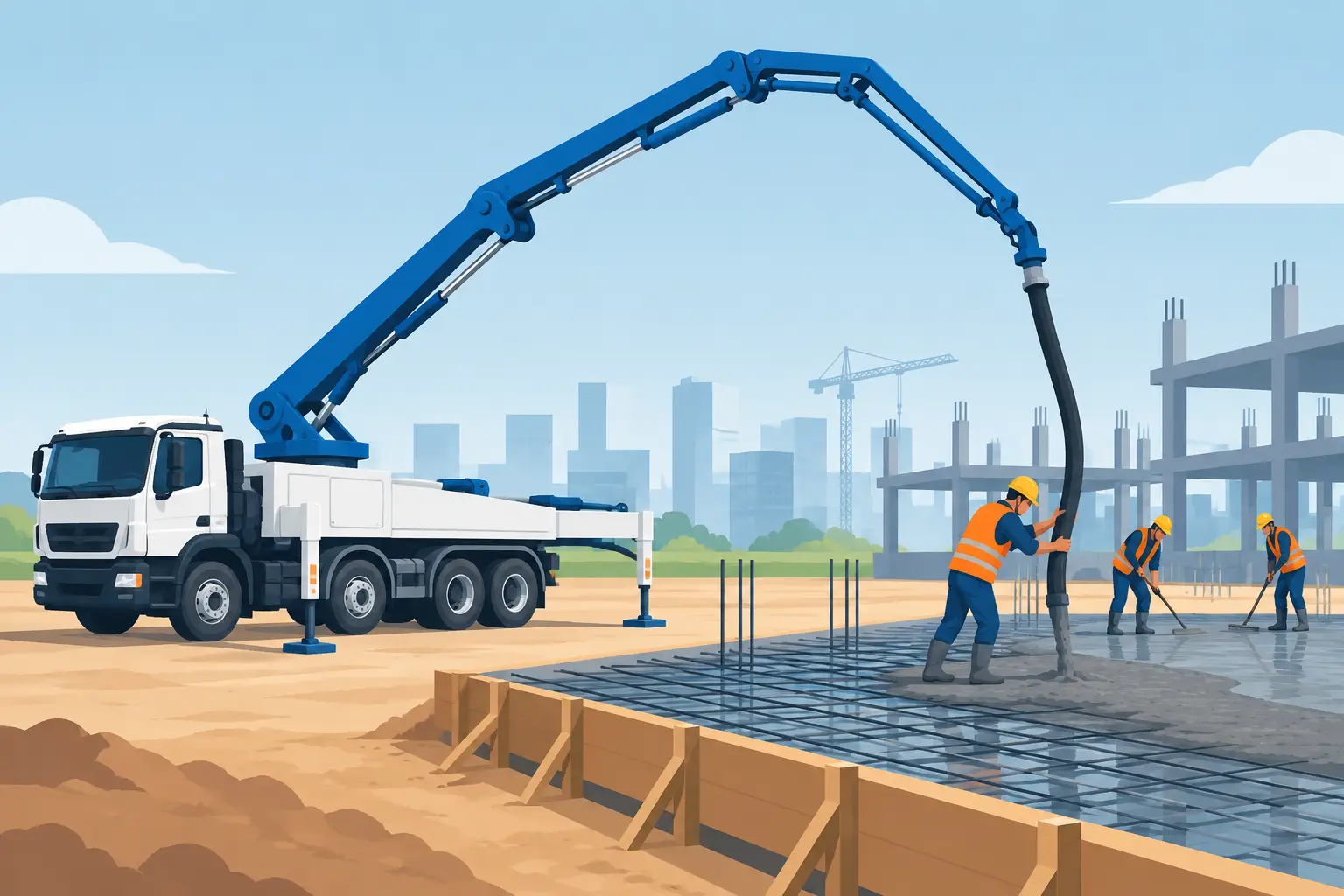
A pump crew works best when every person knows who is directing placement and who is responsible for each area. The pump operator controls the equipment. The hose handler controls the delivery end under the operator's direction. The placing crew manages forms, consolidation, screeding, and finish work. One competent person should be identified to communicate with the operator if conditions change.
Agree on simple hand signals or radio communication before the pour. This is especially useful on large slabs, elevated work, or placements where the operator cannot see the hose handler. The signals for start, stop, slow, move left or right, and emergency stop should be understood by the people closest to the work.
Keep unnecessary workers and visitors out of the pump operating area. Concrete placement is not the time for people to walk under the boom, stand beside outriggers, or cross the hose path without checking in with the crew. Establish a clear exclusion zone around the pump and delivery hose, then keep it in place until the system is cleaned and secured.
Inspect the System and Prepare for Pressure
Before pumping, the operator should inspect the boom, pipeline, couplings, clamps, hopper, grates, outriggers, and emergency controls. The delivery line must be properly supported and secured, particularly where it changes direction, crosses uneven ground, or rises vertically. Every clamp and gasket matters because concrete moves through the line under pressure.
The crew also needs the right personal protective equipment. At minimum, that generally means CSA-approved footwear, high-visibility clothing, gloves, eye protection, hard hats, and hearing protection where required. Wet concrete is caustic. Direct skin contact can cause chemical burns, and splashes to the eyes require immediate action.
No one should stand in front of, straddle, or ride the delivery hose. The hose can move suddenly when concrete begins flowing, when the mix changes, or if a blockage develops. The hose handler needs a stable stance, enough room to move, and a clear path free of rebar, form stakes, loose material, and trip hazards.
Manage the Pour, Not Just the Pump
A steady, controlled pour is safer than a rushed one. Coordinate ready-mix truck arrivals so the pump is supplied consistently without creating congestion around the hopper. The hopper grate must stay in place during normal pumping. Keep hands, tools, and loose clothing away from moving components.
Watch the concrete mix and the line response. A mix that is too stiff, poorly batched, or outside the agreed specification can increase the likelihood of a blockage. Do not add water or make unapproved changes at the pump to solve a placement problem. If there is a concern about workability, address it with the concrete supplier and the person responsible for the pour.
Forms also need attention throughout placement. The faster concrete is placed, the more important it is to monitor form pressure, bracing, corners, and weak areas. If a form begins to move, leak, or show signs of failure, stop pumping immediately. Fix the issue before restarting. Trying to save a few minutes can create a major cleanup, repair, and safety problem.
What to Do if the Line Plugs
A plugged line is one of the highest-risk moments on a concrete pumping job. Never loosen a clamp, open a line, or attempt to clear a blockage while the system is pressurized. Shut down the pump, isolate the area, and allow the qualified operator to follow the proper depressurizing procedure.
Workers should stay clear of the delivery line during this process. A released blockage can send concrete or components out with force. The same rule applies to hose end work: no improvising, no striking pressurized line, and no untrained attempts to take pipe apart. A short delay handled correctly is the safe call.
Finish With Controlled Cleanup and Washout
The job is not finished when the last section is placed. Cleaning the pump and line must be planned as carefully as setup. Identify an approved washout location before the pour begins. It should be contained, away from storm drains, waterways, finished surfaces, and areas where slurry can run onto neighbouring property.
During cleanup, keep workers clear of the discharge area and follow the operator's instructions. Cleaning balls and residual concrete can exit the line quickly. Do not stand in the path of the discharge, and do not allow anyone to treat washout as an afterthought.
Once the equipment is cleaned, the operator can fold the boom, secure the truck, and inspect the area before leaving. The site crew should then remove remaining trip hazards, check for concrete spills, and make sure access routes are safe for the next trade.
A Practical Pre-Pour Check
Use this quick check with the full site-specific plan before each pour:
- Confirm pump access, truck staging, and a stable outrigger setup area.
- Locate overhead powerlines, excavations, buried services, and other hazards.
- Assign the operator, hose handler, spotter, and primary communication contact.
- Inspect forms, rebar congestion, delivery line routing, and hose handling space.
- Establish exclusion zones and keep non-essential personnel clear.
- Confirm the concrete mix, truck sequence, washout area, and emergency stop procedure.
Reliable pumping is built on preparation, not luck. When the site is ready and the crew follows the plan, concrete moves where it needs to go with less labour, less cleanup, and fewer disruptions. For challenging Central Alberta placements, Bandit Concrete Pumping brings the equipment, operator experience, and jobsite focus needed to keep the work moving safely.