(587) 703-6048

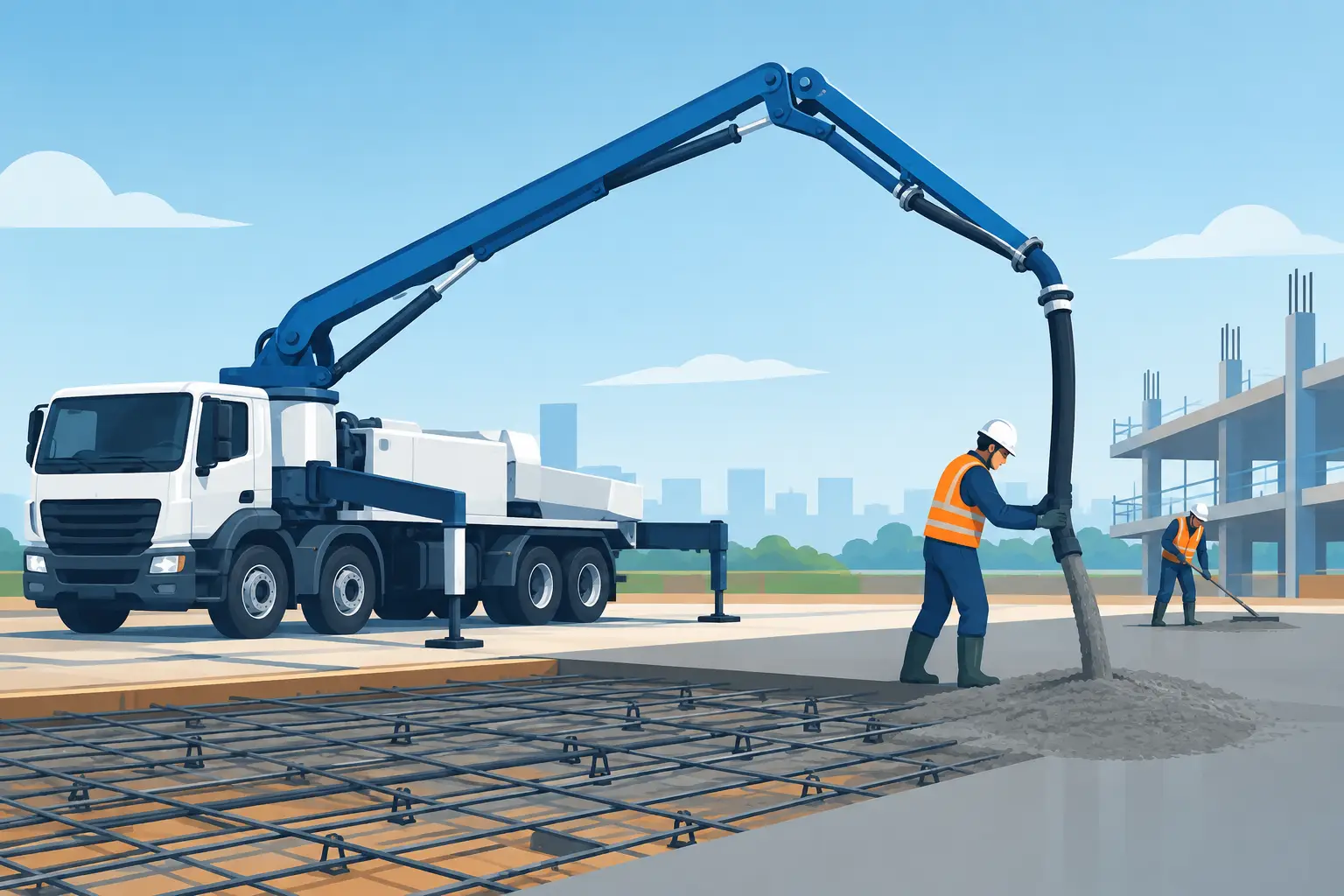
Concrete Pump Accuracy That Protects Your Pour

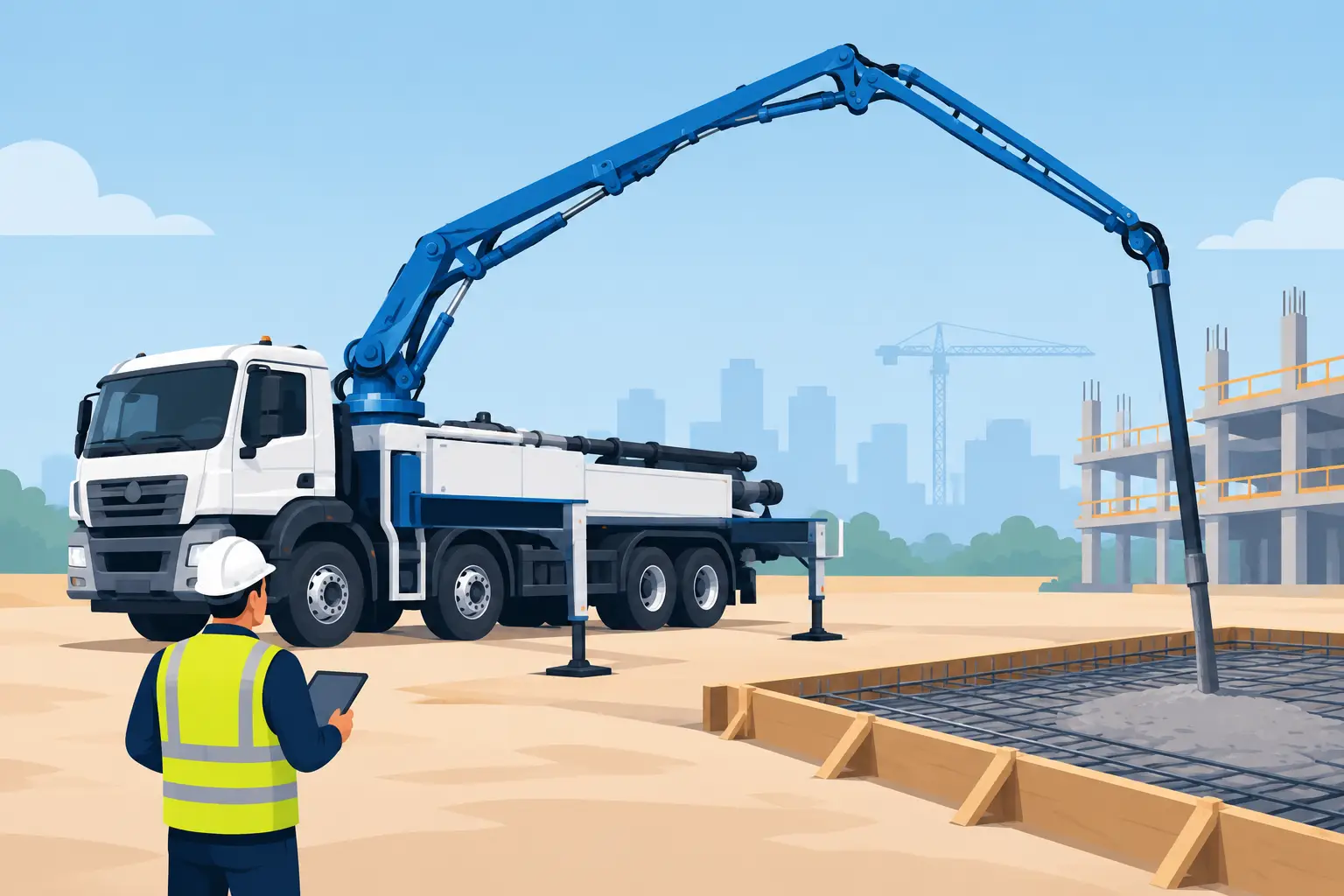
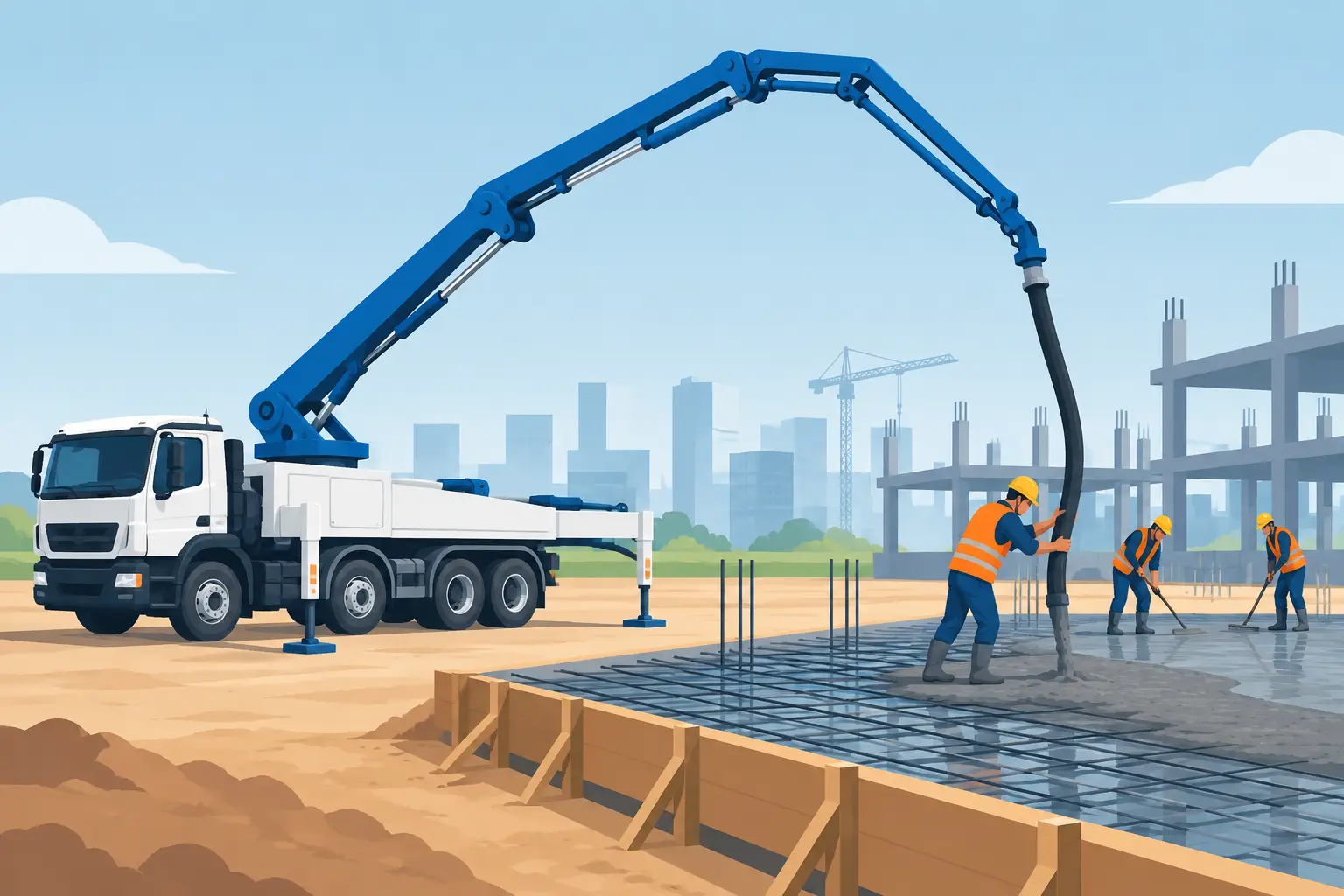
A pump truck can reach across a house excavation, over a garage form, or into a tight commercial site. That reach only pays off when concrete pump accuracy is there from the first yard to the washout. Put the mix in the right place at the right pace, and the crew can focus on consolidation, screeding, finishing, and keeping the pour ahead of the clock.
For Alberta contractors and property owners, accurate placement is not a minor convenience. It protects forms, reduces unnecessary handling, limits cleanup, and helps avoid the delays that start when concrete lands somewhere it was never meant to go.
What Concrete Pump Accuracy Means on Site
Accuracy is more than pointing the boom or hose at a spot and opening the line. It is controlled placement of the right volume, at a workable pace, with the least possible disturbance to the forms, reinforcement, subgrade, and crew.
On a foundation wall, that can mean keeping the discharge close to the form instead of dropping concrete from a height and creating segregation or blowout risk. On a slab, it means placing evenly enough that finishers are not chasing piles of material across the surface. On a confined site, it means reaching the work area without turning the surrounding yard, driveway, or completed work into a cleanup problem.
The target changes with the pour. A deep footing needs steady, deliberate filling. A large floor slab needs a placement sequence that keeps the screed crew supplied without burying them. A structural wall may call for smaller lifts and close coordination between the pump operator and placing crew. Good pumping supports the plan rather than forcing the crew to work around the equipment.
Why Placement Precision Affects Cost and Quality
Concrete is expensive to move twice. If it is discharged too far from its final position, labour gets tied up raking, shovelling, or wheelbarrowing material that could have been placed correctly in the first place. That slows production and increases the chance of poor consolidation, surface inconsistencies, and wasted mix.
Accurate placement also reduces pressure on forms. A sudden heavy load in one section can stress weak points, move bracing, or create trouble before the crew has a chance to react. Pumping does not replace sound formwork, but controlled delivery gives the placing crew a better opportunity to build lifts evenly and manage the pour.
There is also a cleanliness factor. Concrete splashed onto siding, landscaping, parked equipment, finished flatwork, or neighbouring property costs time to remove and can leave permanent damage. A capable operator works with the crew to keep the end hose where it needs to be, not swinging material across the site because access was treated as an afterthought.
The Factors Behind Accurate Pumped Concrete
The right pump for the access
Pump accuracy begins before the truck arrives. A high-reach boom pump can cover a broad placement area efficiently, but it needs suitable setup space and a safe boom path. Compact roll-and-fold boom equipment is often a better fit where houses, powerlines, trees, or tight lots limit movement. A truck-mounted 4x4 line pump can be the practical choice for remote placements, restricted access, or jobs where a boom truck cannot get close enough.
The biggest machine is not automatically the best machine. The right unit is the one that can set up safely, reach the work without overextending the plan, and give the operator control of the discharge point. Site access, pour volume, hose routing, ground conditions, obstacles, and the sequence of work all matter.
A pumpable, consistent mix
The pump can only place what the batch plant sends and what the crew orders. Aggregate size, slump, admixtures, fibre content, temperature, and mix consistency affect how material moves through the system. A mix that is not suited to the line can lead to slow flow, blocked lines, inconsistent discharge, or a frustrated crew trying to recover time.
That does not mean every job needs the same mix design. It means the pump provider, concrete supplier, and contractor need to be working from the same plan. If the specification includes fibre, a particular aggregate, a low-slump structural mix, or special performance requirements, address it before the trucks are rolling. Small details discussed early can prevent major delays during the pour.
Operator control and crew communication
An experienced pump operator reads the job continuously. They watch the line movement, listen to the placing crew, adjust output to suit the task, and keep an eye on changing site conditions. They also know when to slow down. Faster is not better if it leaves the crew unable to vibrate, level, or finish the concrete properly.
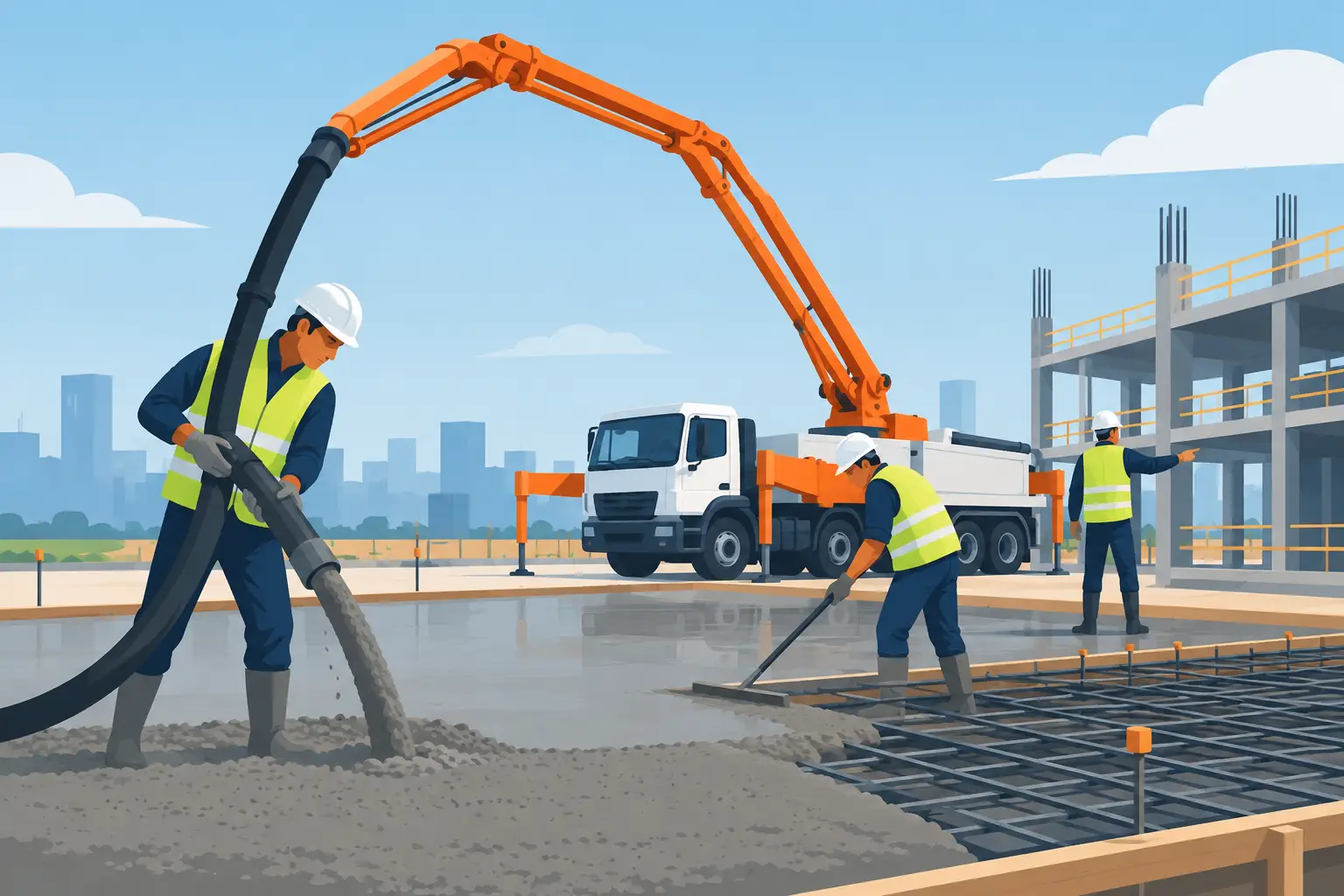
Clear communication matters just as much. The person handling the end hose needs to be in sync with the operator. The foreman needs a placement order. The ready-mix drivers need to know where to stage and when to feed the pump. When everyone is working from the same sequence, the pour stays controlled instead of becoming a series of corrections.
Stable setup and a realistic placement plan
Concrete placement accuracy suffers when setup is rushed. The truck needs stable ground, proper outrigger support where applicable, clear access, and enough room to work safely. The crew also needs a plan for truck traffic, hose routes, washout, and the next section of the pour.
A good pre-pour walk-through often reveals the issues that drawings do not show: soft ground after rain, a narrow gate, overhead obstructions, a neighbour's fence, unfinished grading, or a delivery route blocked by other trades. Those are not reasons to abandon the pump plan. They are reasons to match the equipment and setup to the real jobsite.
Accurate Placement for Common Alberta Pours
For residential foundations, accuracy means filling footings and walls without overloading one area or leaving the crew to drag concrete across the forms. On garage pads and shop slabs, it means maintaining a steady supply so the crew can strike off efficiently while protecting edges, drains, and embedded items.
For commercial work, the challenge may be coverage. Larger slabs, suspended decks, retaining walls, and structural elements need placement that follows the engineer's and contractor's sequence. A boom pump can reduce internal traffic and keep material moving across a broad work area, but the operator and placing crew still need to control each section deliberately.
Industrial and agricultural projects often add access issues. Shops, bins, equipment yards, rural properties, and confined service areas may not offer a clean straight-line approach. That is where flexible boom configurations or a line pump can make the difference between a workable pour and a labour-heavy workaround.
Where Accuracy Can Be Lost
Most placement problems are preventable, but they usually start with one of a few familiar issues: the wrong pump booked for the site, poor access planning, an unconfirmed mix, a rushed setup, or too little communication between the pump operator and the concrete crew.
Another common mistake is treating the pump as a replacement for a placing plan. Pumping removes much of the manual transport, but it does not eliminate the need for form checks, vibration, finishing labour, proper joint layout, or a clear sequence. The pump makes a good crew more productive. It cannot fix weak preparation after the concrete has arrived.
Weather can also change the equation. Alberta wind, heat, cold, and sudden rain affect both the crew and the concrete. On exposed jobs, the safest and most accurate approach may be to adjust the schedule, protect the work area, or slow the placement rate. The right call depends on the conditions, the mix, and the stage of the work.
Get More From Every Pumped Pour
The best results start with a direct conversation before pour day. Share the job location, access limits, estimated volume, form type, concrete mix, placement height, site conditions, and desired pour schedule. Photos and a clear description of obstacles can help identify whether a large boom, compact boom, or line pump is the practical fit.
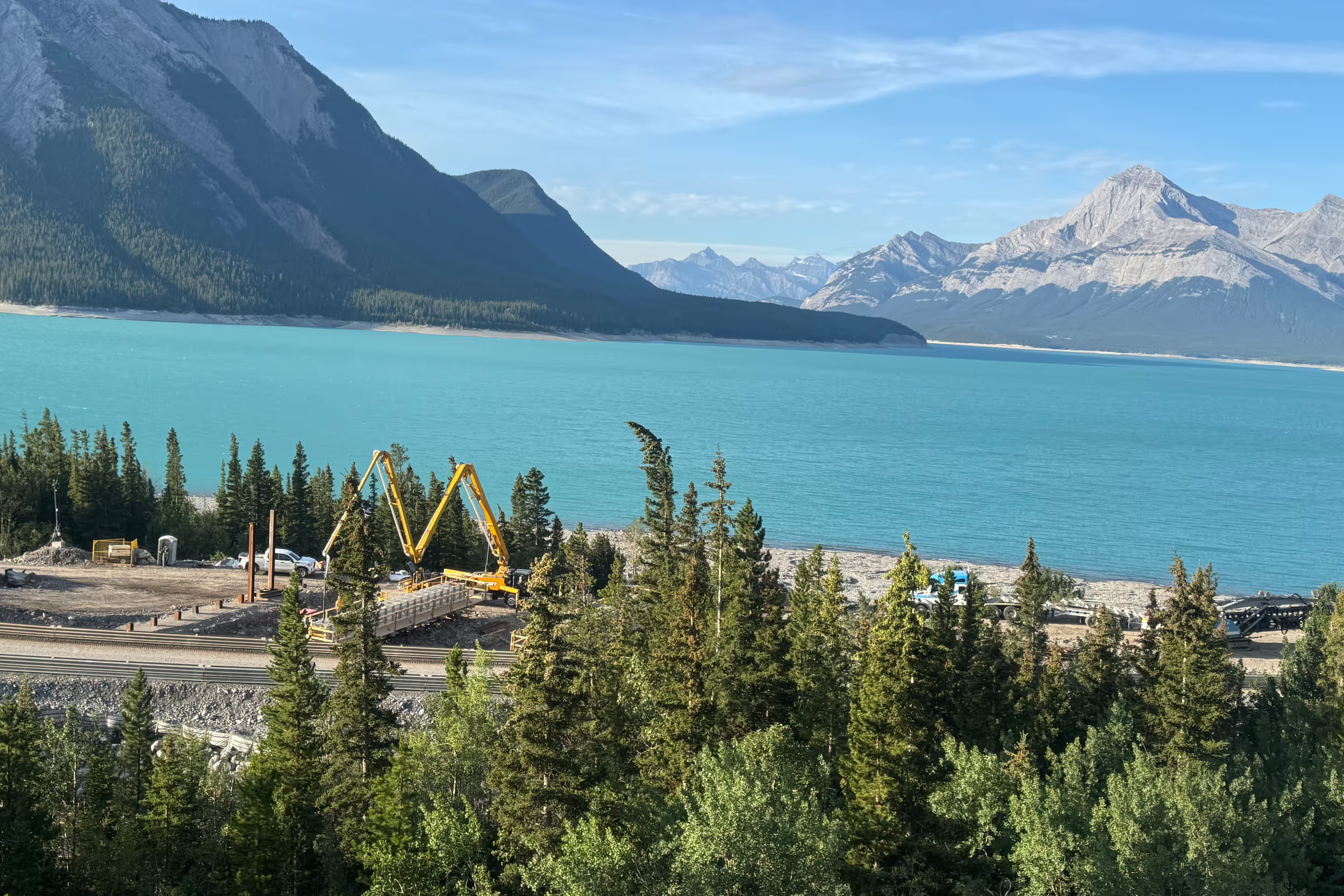
Bandit Concrete Pumping brings the equipment and operator expertise needed to place concrete efficiently across Central Alberta, but accuracy is always a team effort. When the pump operator, contractor, ready-mix supplier, and placing crew are aligned, concrete goes where it belongs and the job keeps moving.
A clean, controlled placement gives every trade that follows a better starting point. Plan the reach, match the pump to the site, and give the crew the steady flow they need to turn a concrete delivery into finished work.