(587) 703-6048

Boom Pump Reach and Capacity for Your Pour

A boom truck that can reach the far corner of a site is only useful if it can set up safely, keep pace with the finishing crew, and place concrete where the pour actually needs it. Boom pump reach and capacity are the two numbers contractors ask about first, but they work as part of a larger jobsite plan. Access, mix design, forming, crew size, weather, and truck timing all affect the right pumping setup.
For a garage slab, foundation wall, shop floor, commercial footing, or industrial pour, the goal is not simply to hire the biggest pump available. The goal is to get dependable coverage, steady placement, and a clean, controlled pour without creating a bottleneck at the curb or on the slab.
What Boom Pump Reach and Capacity Mean on Site
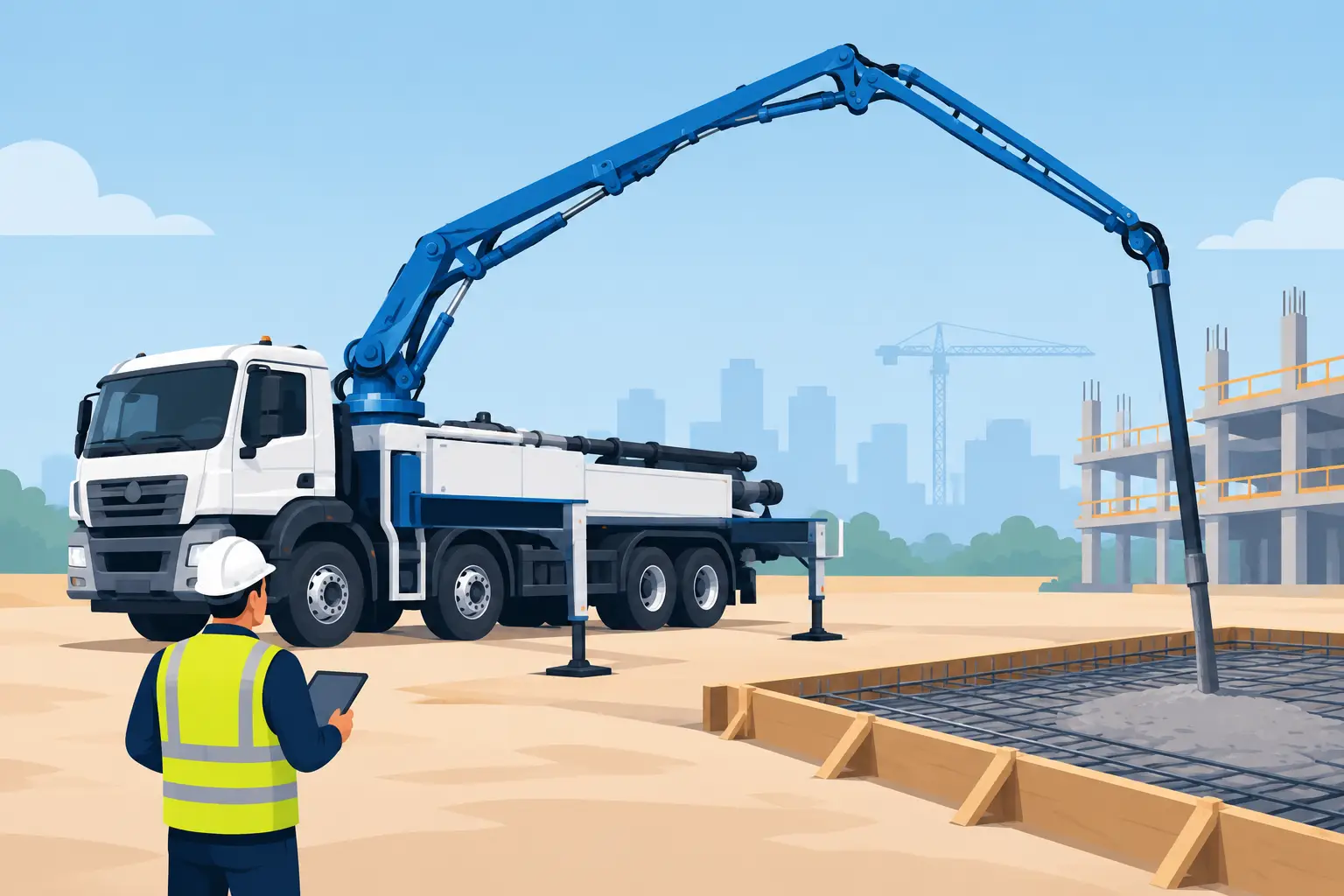
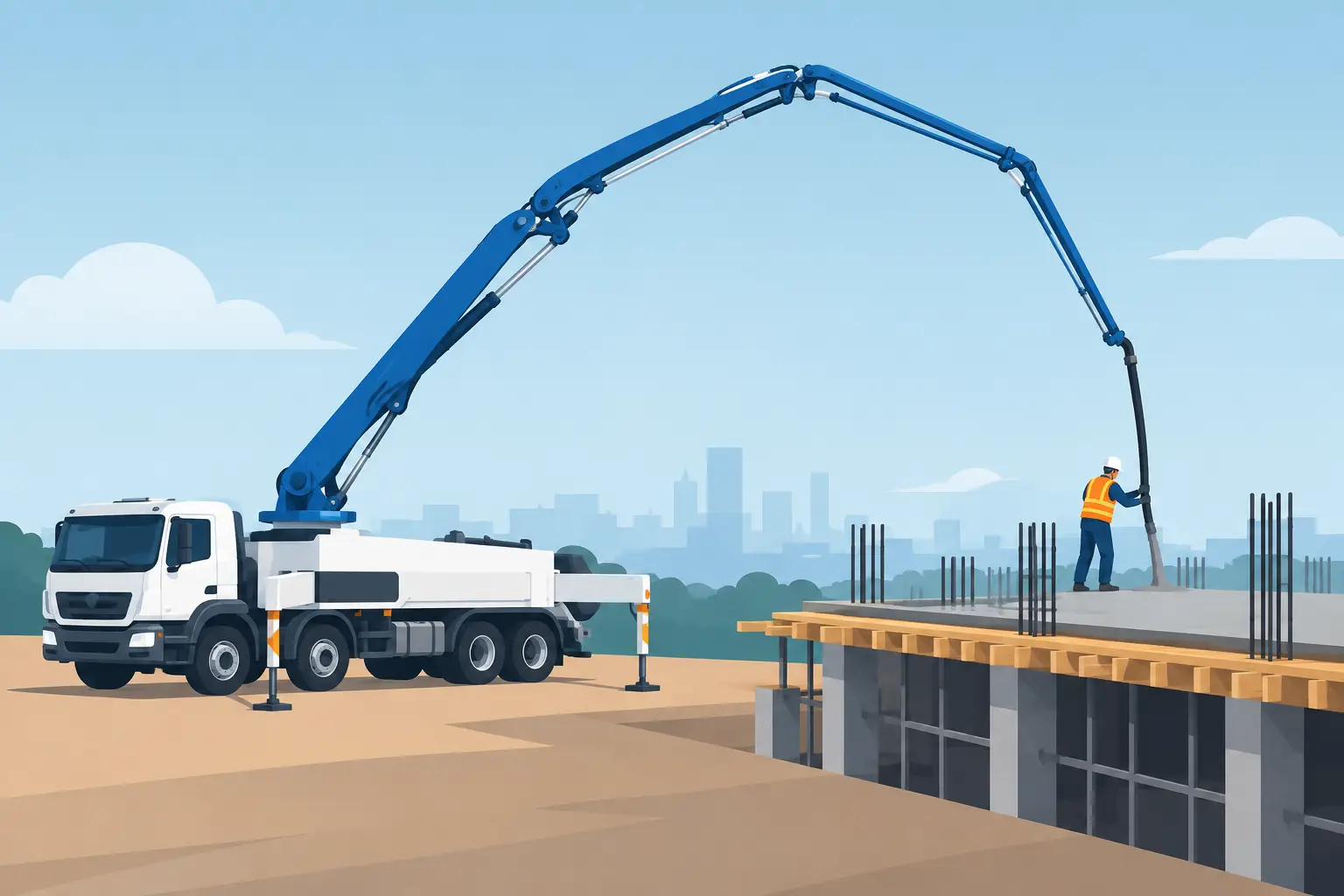
Boom reach describes how far the articulated placing boom can deliver concrete from the pump truck. It is usually discussed as vertical reach, horizontal reach, and depth reach below grade. Those figures are useful for comparing equipment, but they are not a promise that every point inside that radius is available on every site.
A boom needs room to unfold, move through its operating arc, and avoid obstacles such as power lines, trees, neighbouring buildings, scaffolding, rooflines, and material stacks. Truck position matters just as much as nominal reach. A pump parked close to the pour may have excellent coverage with a compact boom, while a truck forced to set up across a lane, behind a building, or outside a fenced lot may need substantially more horizontal reach.
Capacity is the volume of concrete the pump can move over a given period, commonly expressed in cubic metres per hour. This is not the same thing as the exact rate a job will achieve. Manufacturer capacity is measured under favourable conditions. Actual output changes with line length, hose diameter, elevation, concrete mix, slump, aggregate, pump stroke settings, and how consistently ready-mix trucks arrive.
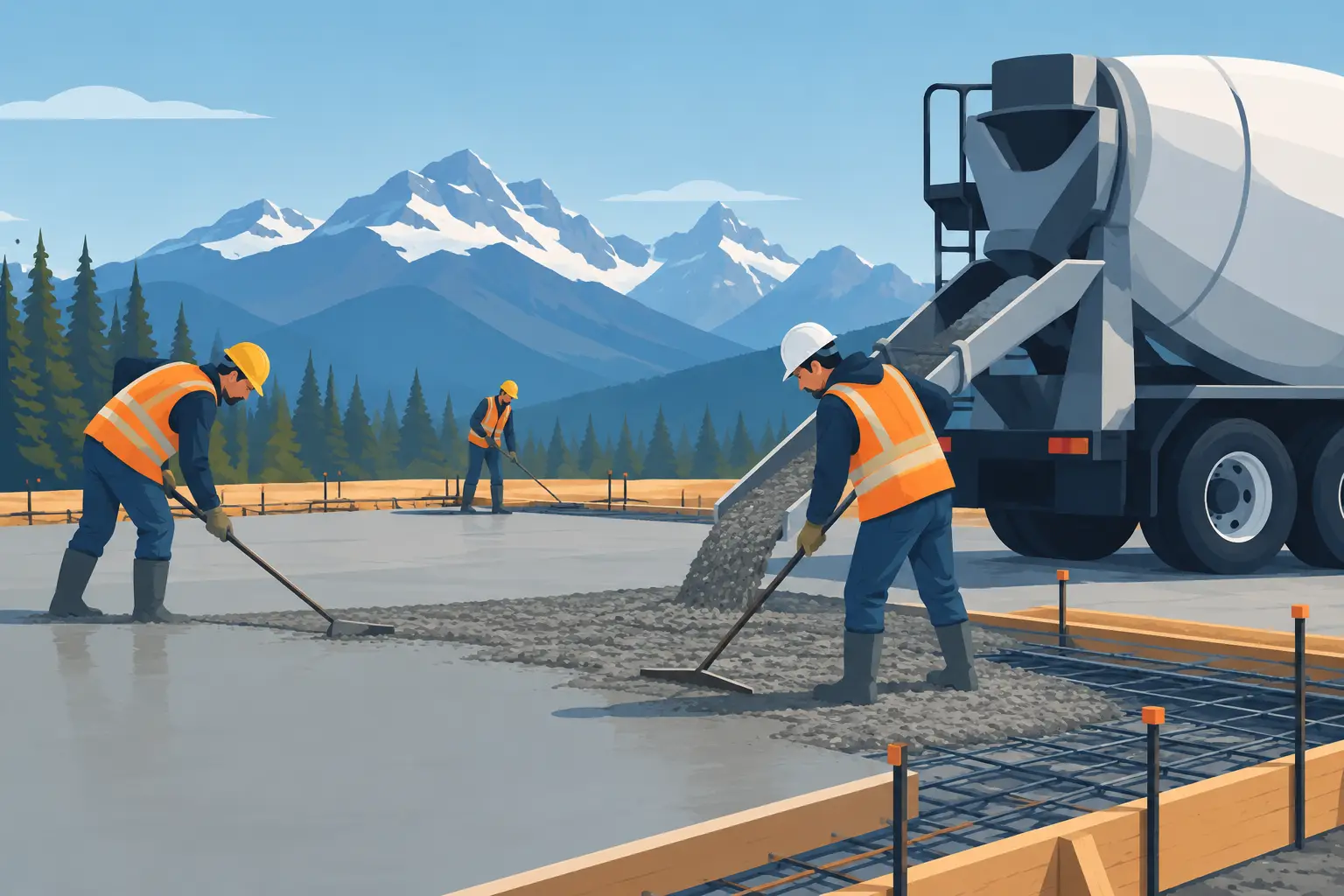
On a normal residential or light-commercial pour, the practical question is often whether the pump can supply concrete at a rate that keeps placing and finishing crews working without getting ahead of them. For a larger slab or structural placement, capacity becomes more critical because long gaps between loads can affect cold joints, crew efficiency, and finishing quality.
Reach is more than a number on a spec sheet
A boom may have enough stated horizontal reach to cover a foundation, yet still require a different truck location because the boom cannot safely pass over an obstruction. The end hose also needs room for the operator and placing crew to work safely. Reaching the target is one thing. Reaching it with control, safe hose handling, and a workable placement angle is another.
Ground conditions matter too. Outriggers need stable bearing surfaces, adequate space, and proper cribbing where required. Soft ground, fresh backfill, sloped lots, narrow driveways, and underground services can all limit where a boom pump can set up. These details should be sorted out before the concrete trucks begin arriving.
Matching Pump Capacity to the Pour
Higher output is valuable when the job requires continuous placement over a large area. A broad slab, warehouse floor, large footing package, or commercial structural pour can lose time quickly if concrete delivery cannot match the crew's pace. The right pump helps maintain a consistent placing rhythm, allowing finishers to manage the surface rather than wait for the next charge.
That said, maximum capacity is not always the best answer. A smaller residential pour may be better served by a pump configuration that offers the necessary reach without taking up more setup space than the site allows. If the crew is small, forms are tight, or the placement must be carefully controlled around reinforcement and embedded items, pumping too quickly can create more work rather than less.
Concrete supply is another limit. A pump can only move what arrives at the hopper. If ready-mix trucks are delayed by traffic, batching schedules, road restrictions, or poor site access, even a high-capacity pump will spend time waiting. Good pump planning includes realistic load spacing and a clear truck route so the pump operator, driver, and placing crew are not working around avoidable congestion.
Mix design also affects output. Harsh mixes, lower-slump concrete, fibre-reinforced mixes, larger aggregate, and specialty products can change pumping behaviour. Some mixes need additional attention to maintain smooth flow through the system. Discussing the mix before pour day gives the pump crew an opportunity to plan for the material instead of reacting after the first truck is on site.
Access Often Decides the Equipment
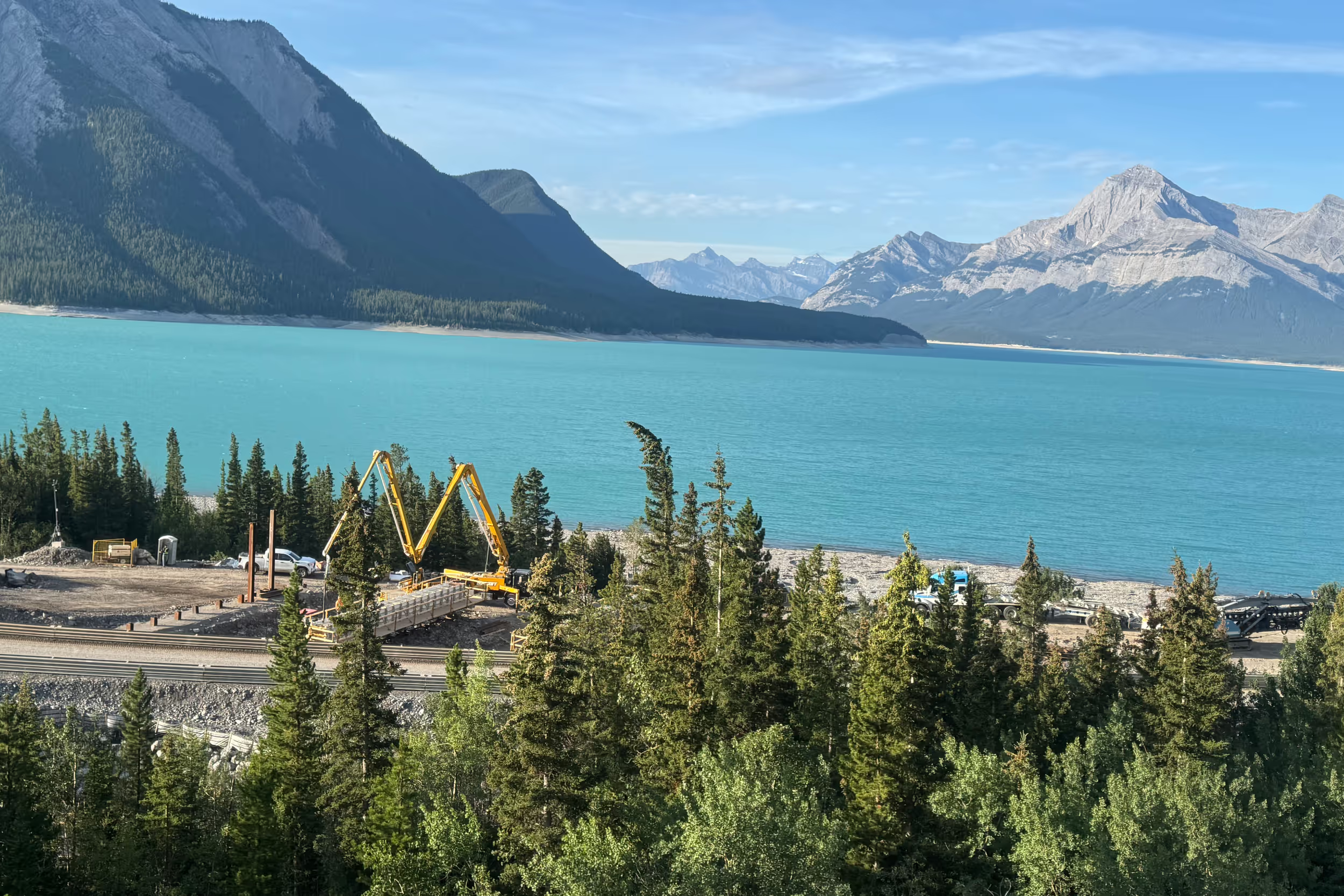
Central Alberta jobsites vary widely. One day, a boom truck may be set up on an open commercial lot with room for ready-mix trucks to circulate. The next, it may be working on a narrow residential street, a rural property with limited driveway access, or a site where a finished landscape, existing structure, or overhead line restricts positioning.
For open sites and broad placement zones, a high-reach boom can cover more area from one setup position. That reduces the need to move the truck and can keep a large pour flowing. For restricted sites, compact roll-and-fold boom equipment can be a stronger fit because it can unfold and work where clearance is limited.
Not every difficult placement calls for a boom. A truck-mounted line pump can be the practical choice when concrete must travel through hose to a location a boom cannot safely access. This may include backyards, interior work, enclosed additions, areas below grade, or tight agricultural and industrial layouts. Line pumping takes planning around hose routing and labour, but it can solve access problems that a larger truck cannot.
The best equipment choice comes from looking at the entire route from ready-mix truck to final placement point. That includes where trucks enter, where they turn around, where the pump sets up, how the boom or line crosses the site, and where washout and cleanup will occur.
Plan the Setup Before the Crew Arrives
A reliable pour starts well before the first truck backs in. Contractors should provide the pump provider with the placement location, approximate volume, form dimensions, desired truck setup area, site photos when access is tight, and details about overhead or underground hazards. If the project includes a gate, narrow alley, steep grade, soft ground, or a shared driveway, mention it early.
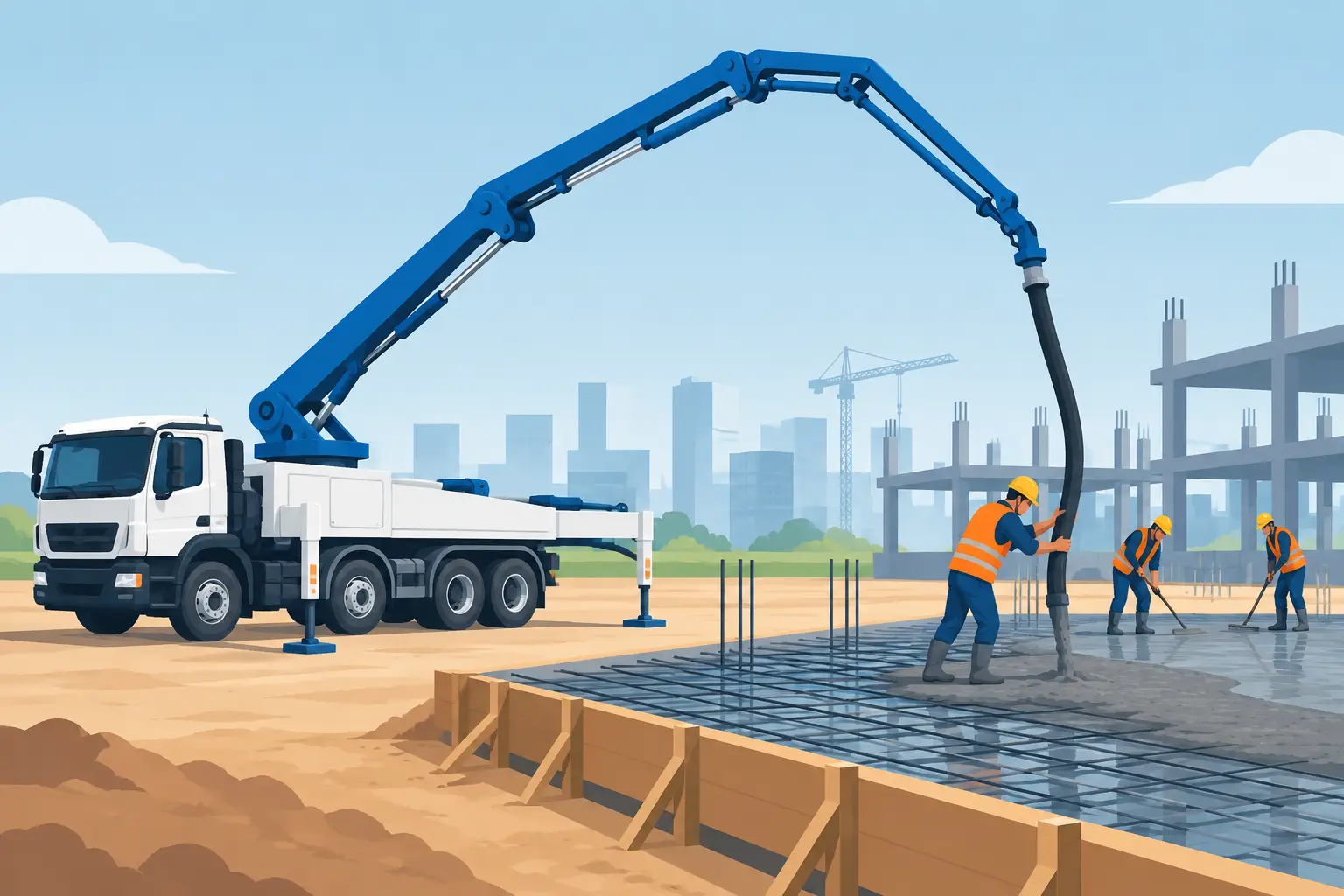
The pour sequence matters as well. A foundation may require the boom to cover separate wall runs in a planned order. A slab may need concrete placed from the farthest point back toward the access side so crews are not working around hose, fresh concrete, or equipment traffic. On larger placements, a clear sequence helps the operator move the boom efficiently while keeping the crew supplied.
Weather deserves a place in the plan. Alberta wind can affect boom operation, while cold conditions can change concrete handling and finishing windows. Rain, mud, and thawing ground can alter access and outrigger conditions. A capable operator will assess these conditions on site, but early communication gives everyone more options if the original plan needs adjustment.
What Good Pumping Looks Like
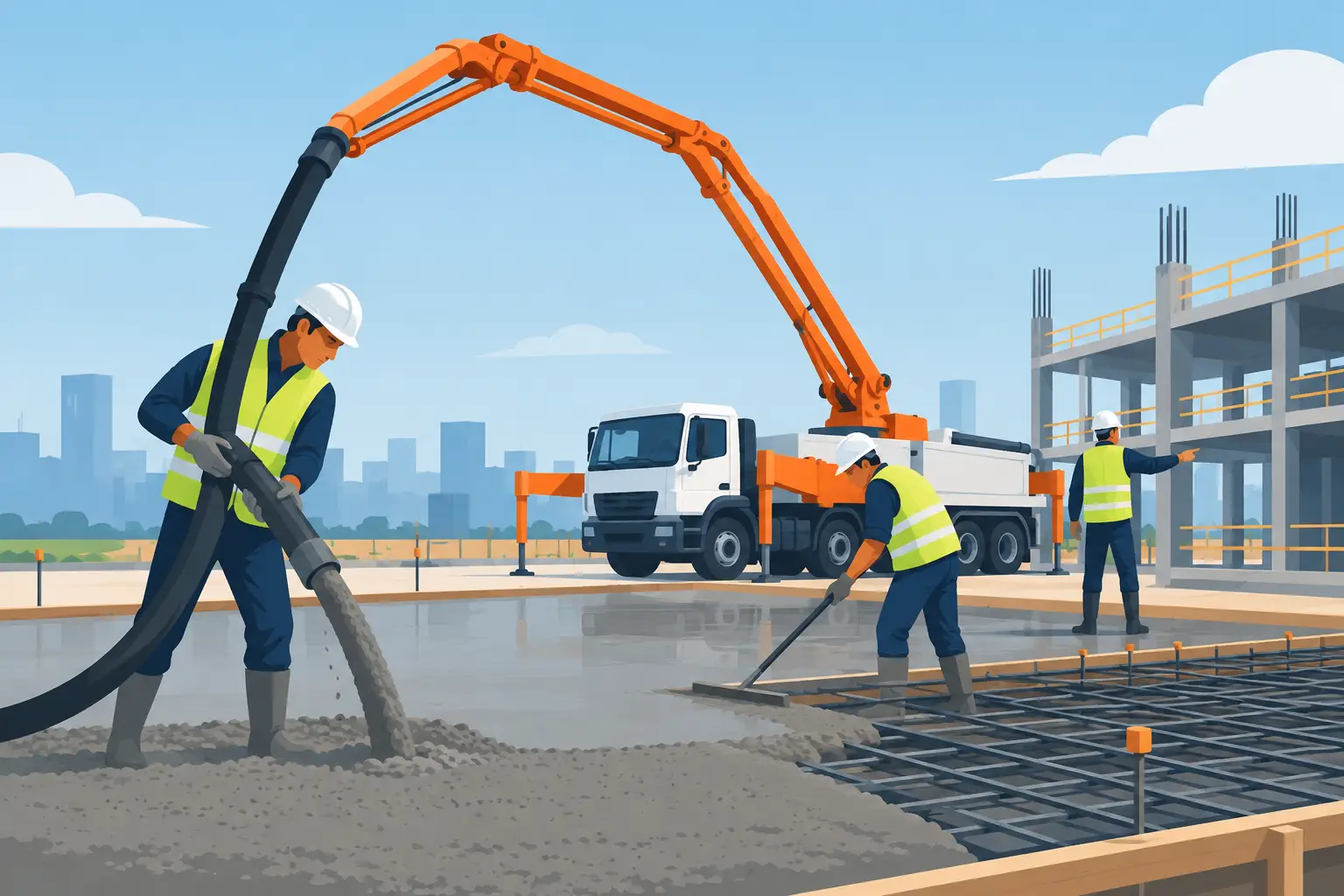
Good concrete pumping is not just fast. It is controlled. The operator places concrete where the crew needs it, adjusts flow to suit the work, keeps an eye on truck supply, and maintains safe clearance around the boom and hose. The placing crew receives concrete with less wheelbarrow traffic, fewer unnecessary re-handling steps, and less risk of disturbing prepared subgrade, reinforcement, or forms.
This is where an experienced concrete-placement contractor earns its place on the job. Bandit Concrete Pumping pairs equipment suited to the site with operators who understand how a pour progresses, not just how a pump operates. That helps contractors protect their schedule while maintaining the accuracy and finished quality the work demands.
Before booking, measure the furthest placement point, identify every access restriction, confirm the concrete mix and total volume, and consider the pace your crew can realistically handle. A pump that is properly matched to the job will make the pour feel controlled from the first load to final cleanup.