 (587) 703-6048


7 Clear Signs Your Project Needs Pumping

A concrete truck backed up to the forms looks efficient until the chute cannot reach the far corner, the crew starts moving mud by wheelbarrow, and the clock starts working against the pour. Those are the moments when the signs your project needs pumping become hard to ignore. A concrete pump is not only for high-rise work or oversized commercial sites. On many Alberta foundations, shops, slabs, and agricultural builds, it is the practical way to place concrete where it needs to go without turning the pour into a labour bottleneck.
The right choice depends on access, volume, mix design, weather, finishing requirements, and how the rest of the site is moving. For a small, open pad beside a driveway, a truck chute may be all you need. But when reach, speed, and placement control start affecting the job, pumping can protect the schedule and the finished result.
1. The truck chute cannot reach the placement area
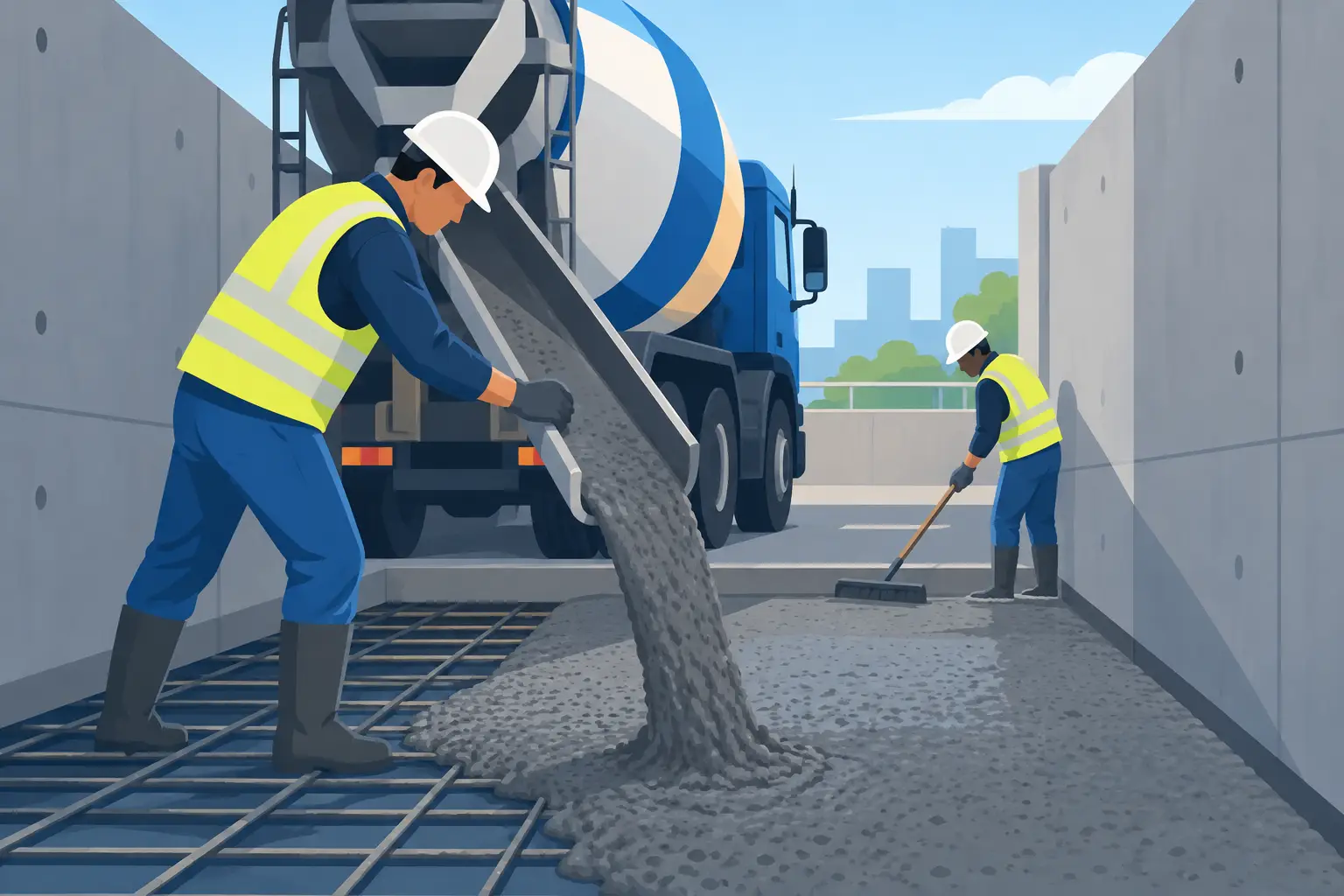
A ready-mix truck chute has limits. If the forms are beyond the truck's reach, around the back of a building, over a retaining wall, or below grade, crews often try to make up the difference with wheelbarrows, buggies, or temporary ramps. That adds handling time and creates more opportunities for spills, segregation, and inconsistent placement.
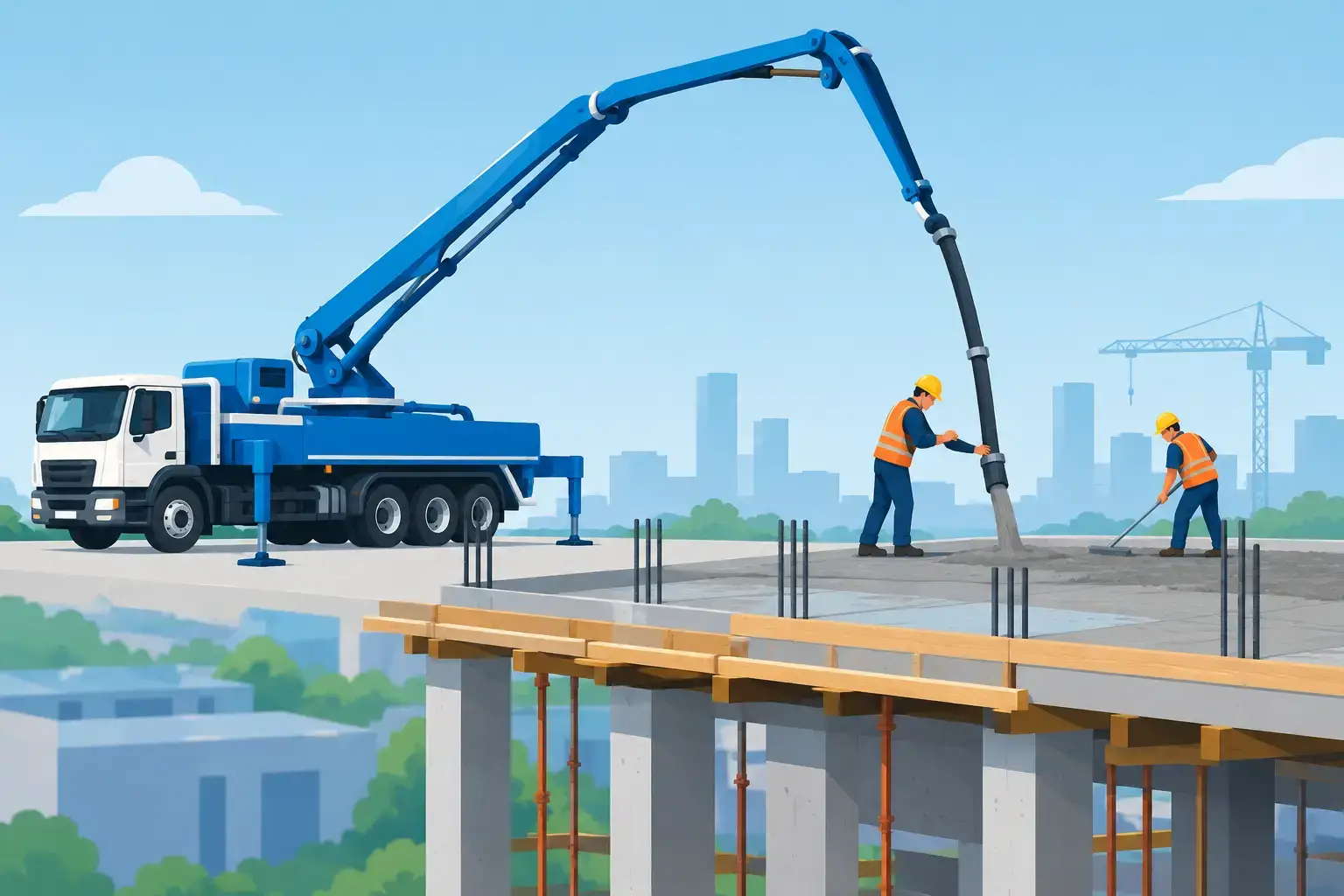
A boom pump can reach across an obstacle or distribute concrete over a broad work area from one setup position. A truck-mounted line pump can send concrete through hose where a boom truck cannot get close enough. This is especially useful on infill lots, acreage builds with uneven access, and sites where existing structures, landscaping, or excavation limits truck movement.
Before booking, measure the route from the expected pump setup to the furthest point of placement. Include gates, overhead lines, slopes, soft ground, and the space required for concrete trucks to enter and exit. A few accurate site details help match the equipment to the work.
2. Your crew is spending more time moving concrete than placing it
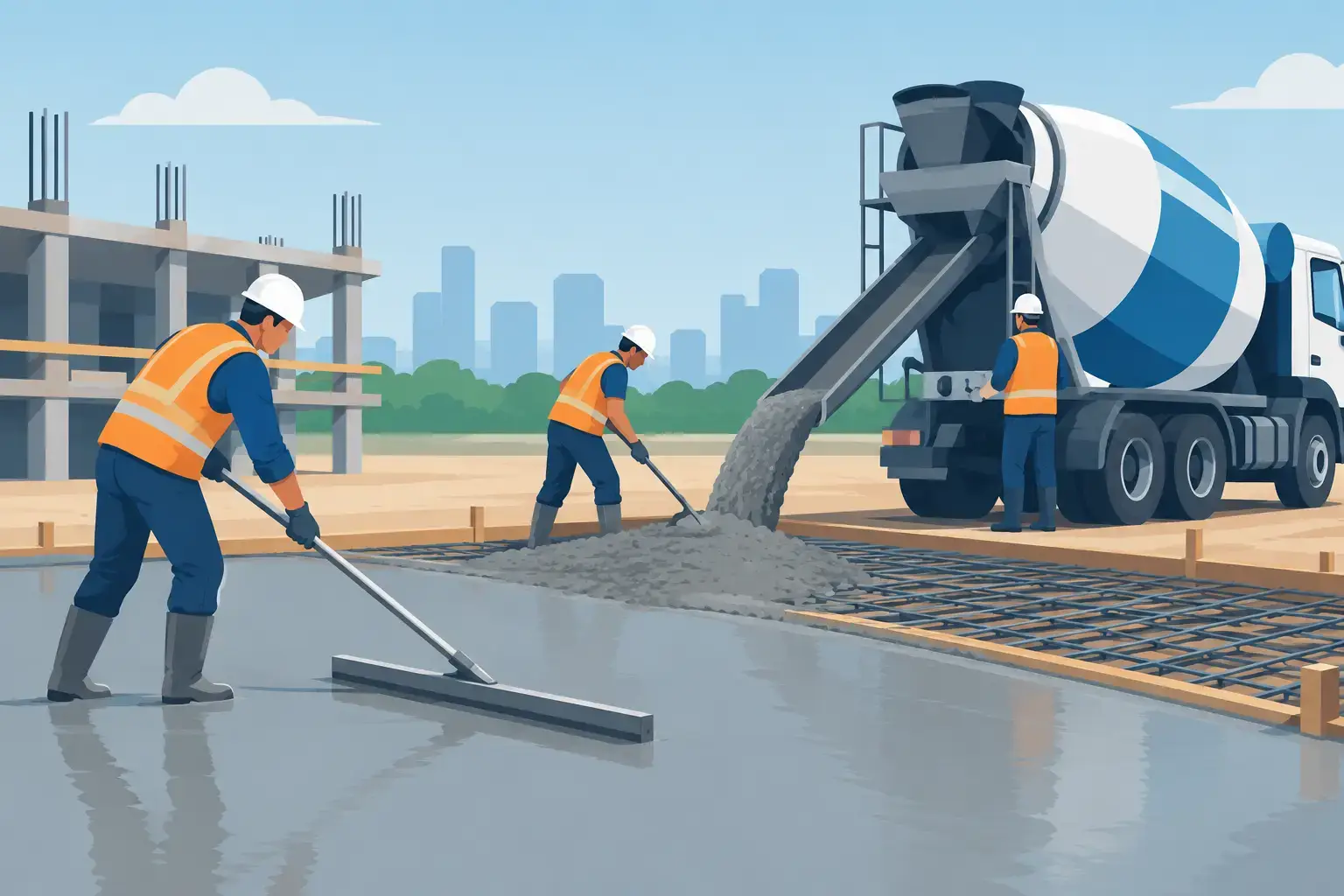
Wheelbarrows have their place, but they are rarely the best production plan for a large foundation, slab, or wall pour. Every extra transfer takes labour away from the work that determines quality: setting grade, consolidating concrete, managing joints, screeding, edging, and finishing.
When several workers are assigned mainly to shuttle concrete from the truck to the forms, pumping deserves a serious look. The pump operator controls the flow while the placement crew stays where it is needed. Concrete arrives steadily at the point of placement, which gives the crew a better chance of keeping up with vibration and finishing.
The trade-off is that pumping has a mobilization cost and requires a clear setup plan. On a very small pour with direct truck access, that cost may not make sense. On a larger or more complicated pour, reducing manual handling can save enough crew time to more than justify it.
3. The pour has a tight time window
Concrete does not wait for a disorganized site. Hot weather, cold-weather protection requirements, travel time from the batch plant, traffic, and a limited finishing window all put pressure on the crew. If placing concrete slowly means the first section is getting away from the finishers before the last section is filled, speed becomes a quality issue, not just a productivity issue.
Pumping supports a continuous, controlled pour. It helps crews fill forms, spread slabs, and maintain a workable pace without repeated stops to reposition trucks or haul material. That is valuable for structural elements where placement sequence matters, including basement walls, grade beams, suspended slabs, and heavily reinforced work.
A faster pour should never mean a rushed pour. The goal is controlled output matched to the crew's ability to place, consolidate, and finish the concrete properly. An experienced operator works with the site lead to keep the line moving at the pace the job requires.
4. Access is tight, restricted, or rough
Many Central Alberta jobsites are not built around easy concrete access. Narrow side yards, downtown lots, developed neighbourhoods, sloped sites, soft ground, and staged commercial construction can all make direct chute placement unrealistic.
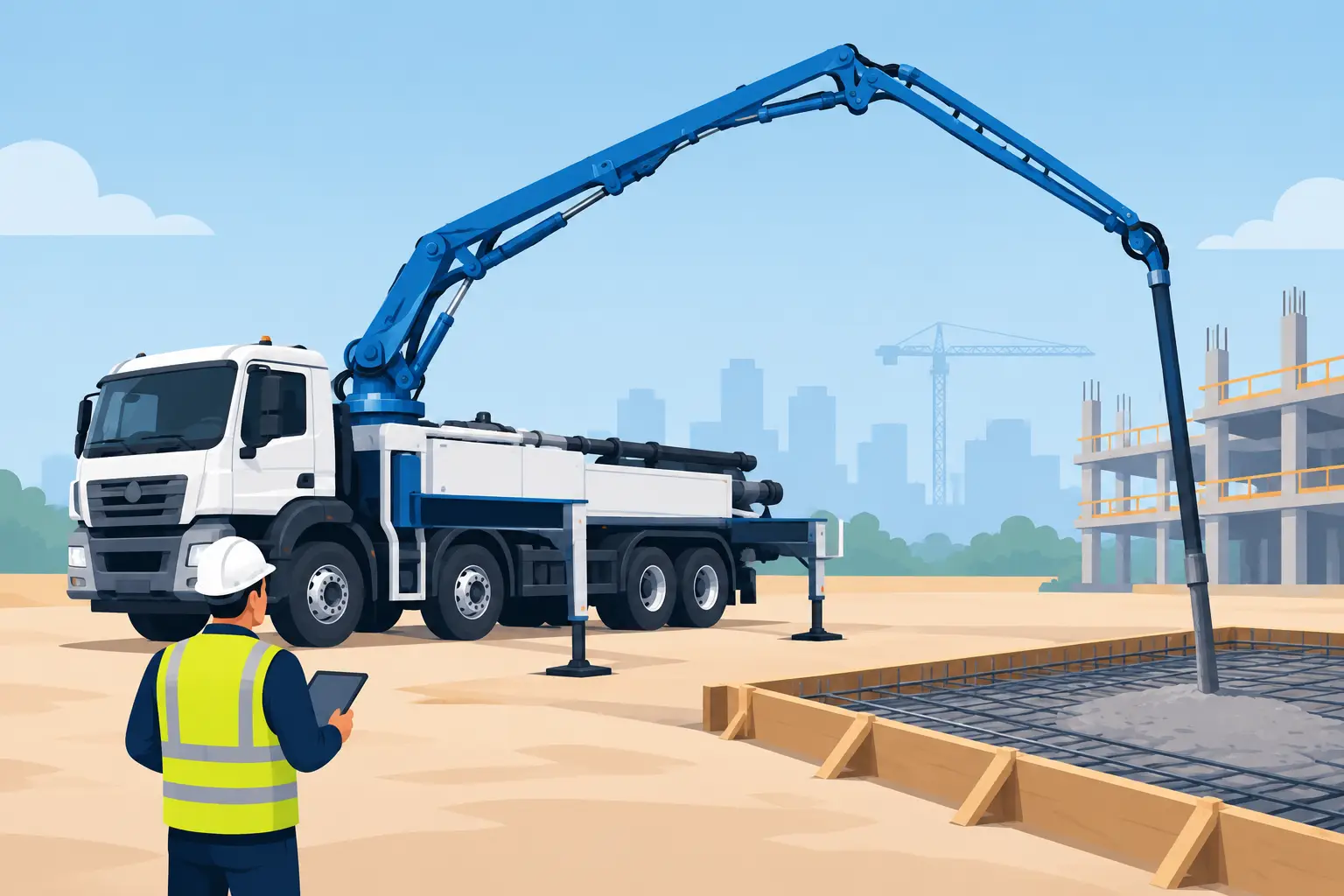
Restricted access does not automatically mean one type of pump fits every job. A compact roll-and-fold boom can be a strong option where setup space is limited but overhead reach is needed. A larger boom truck is better suited to broad coverage and high-reach placement. For difficult-to-reach areas where hose must be routed around buildings or through confined access, a 4x4 line pump can provide precise delivery.
The key is to plan the machine around the site, not force the site around the machine. A pump crew needs firm setup ground, room to deploy safely, a defined truck washout area, and clear communication with other trades. Overhead power lines, in particular, must be identified before the pump arrives.
5. Reinforcing steel or complex forms make placement awkward
Dense rebar, deep footings, ICF walls, retaining walls, columns, and irregular forms are difficult to fill evenly with a chute or wheelbarrow. Concrete needs to reach the intended location without being dropped excessively, pushed through reinforcing, or separated by rough handling.
A pump hose gives the placement crew better control at the point of discharge. That makes it easier to move along a wall, fill around reinforcement, and avoid overloading one area while another is left short. Controlled placement also supports proper consolidation, which helps reduce voids and improves the appearance and performance of finished concrete.
Mix design matters here. Pumpable concrete must be ordered with the right aggregate size, slump, and admixtures for the line, hose, and placement conditions. Do not assume every mix will move the same way. Confirm the pumping plan with the concrete supplier and pump provider before pour day, particularly for engineered mixes or specialty products.
6. Cleanup and site protection are becoming a problem
Repeated wheelbarrow trips leave tracks, spills, and washout issues across active jobsites. That can mean extra cleanup around framing, landscaping, finished flatwork, utilities, or neighbouring properties. It also creates more chances for material to end up where it does not belong.
Pumping does not eliminate cleanup, but it keeps concrete movement more contained. With a planned setup and a skilled operator, material is delivered from truck to placement area with fewer trips across the site. That is a real advantage when working around finished grades, occupied buildings, sensitive surfaces, or limited staging areas.
Clean work also keeps the project moving. A crew that is not spending hours dealing with spilled concrete and traffic paths can focus on the next stage of construction.
7. Delays are starting to cost more than the pump
The clearest sign is often on the schedule. If a slow placement method adds a half day of labour, pushes finishing into poor weather, delays framers, or forces a second mobilization for equipment, the apparent savings of skipping the pump can disappear quickly.
Look at the full pour cost, not just the equipment line item. Include crew size, overtime risk, truck waiting time, site cleanup, concrete waste, and the impact on follow-on trades. On a commercial or industrial project, a controlled pump pour can also help maintain a tighter sequence across multiple work areas.
Planning a successful concrete pump pour
Good pumping starts before the truck arrives. Provide the pour volume, concrete mix details, dimensions, target placement areas, site access information, and any known hazards. Let the pump provider know whether the job involves a foundation, slab, wall, shop floor, agricultural structure, or elevated work, because each condition affects equipment selection and hose routing.
On pour day, keep the setup area clear and make sure the placement crew is ready before concrete arrives. Confirm who is directing the pour, where trucks will queue, and how the crew will communicate if the flow needs to change. These small details prevent the avoidable delays that turn a straightforward pour into a long day.
Bandit Concrete Pumping brings the equipment and experienced operators to match real jobsite conditions across Central Alberta. When the placement plan is tight, access is limited, or the pour has no room for wasted motion, a properly planned pump setup gives the crew a better shot at getting it right the first time.
The best time to decide on pumping is while the forms, access routes, and crew plan are still flexible. Walk the route, measure the reach, and price the whole placement plan before pour day. Concrete work is hard enough without asking a crew to fight the site.