(587) 703-6048


Concrete Placement Services That Keep Pours Moving

A concrete pour can be ready on paper and still lose time fast when access, crew flow, or placement distance gets overlooked. Professional concrete placement services solve that problem by moving concrete where it needs to go - quickly, accurately, and without turning the jobsite into a labour bottleneck. For Alberta contractors, builders, and property owners, the right pump and operator can make the difference between a controlled pour and a long day spent fighting the site.
Concrete pumping is not just about reaching farther than a ready-mix truck chute. It is about keeping the crew supplied, placing concrete close to final position, protecting the mix from unnecessary handling, and giving finishers a consistent pace. Whether the job is a residential foundation in Calgary, a shop slab near Olds, an agricultural pad outside Three Hills, or a commercial project in Red Deer, placement needs to match the site.
What Concrete Placement Services Actually Do
Concrete placement services provide the equipment and experienced operator needed to transfer ready-mix concrete from the truck to the pour location. On many projects, that means a boom pump with the reach to place concrete across a large footprint, over an obstacle, or into an area a truck cannot approach. On tighter sites, a compact boom or truck-mounted line pump may be the better answer.
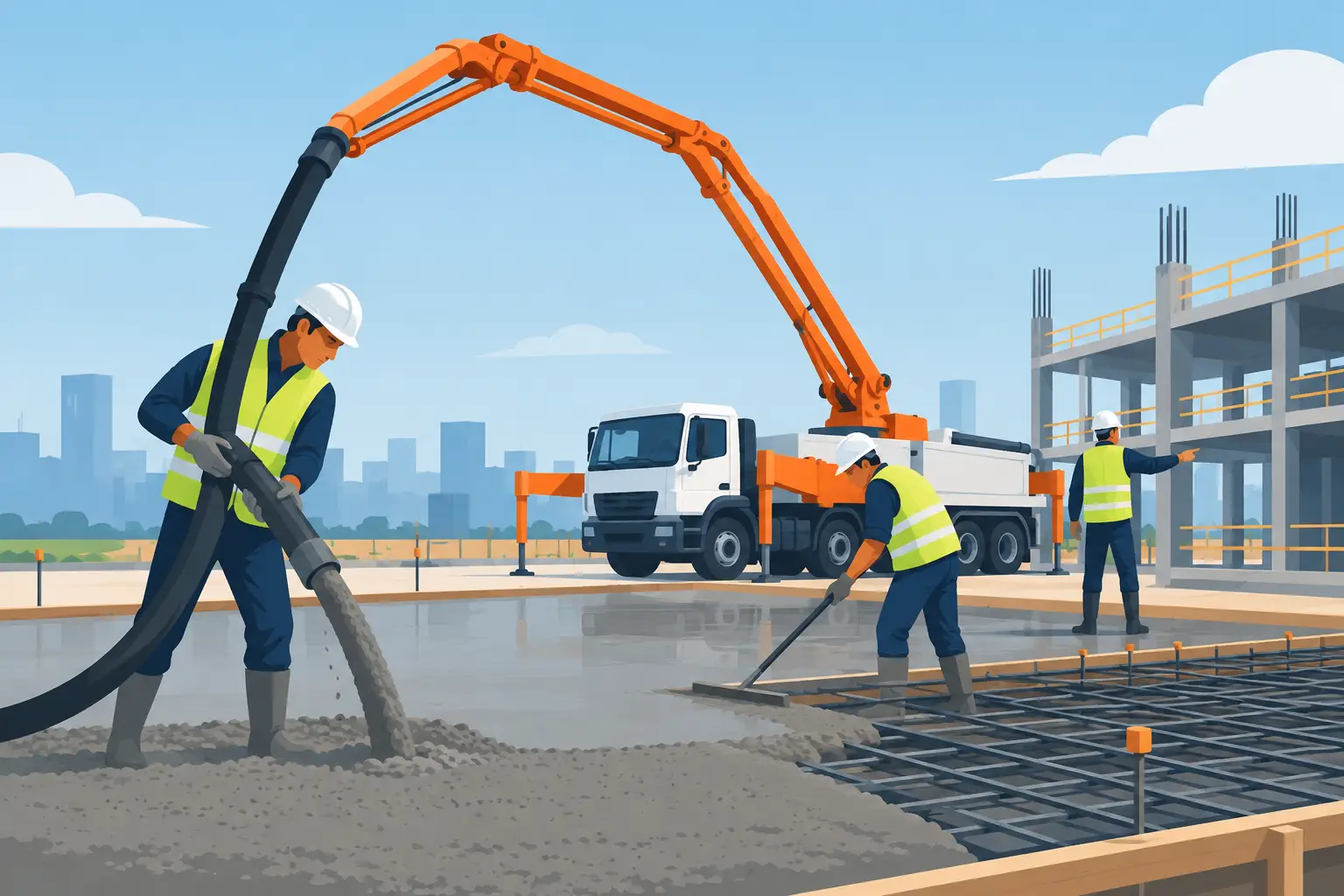
The practical value is simple: concrete goes to the work instead of the crew hauling it by wheelbarrow, dragging hose without support, or repeatedly repositioning trucks. That saves physical effort, but the bigger benefit is control. A steady, well-managed flow lets the placing crew consolidate, screed, and finish concrete before the mix starts setting up.
The pump operator is part of that control. Experienced operators read the jobsite, coordinate with the batch truck driver and concrete crew, manage hose movement, and adjust placement as the pour progresses. Equipment matters, but an effective pour depends on the person running it just as much.
Choose the Pump for the Jobsite, Not the Other Way Around
There is no single pump configuration that fits every Alberta build. The right choice depends on reach, access, volume, ground conditions, hose routing, and the type of concrete being placed.
Boom pumps for reach and coverage
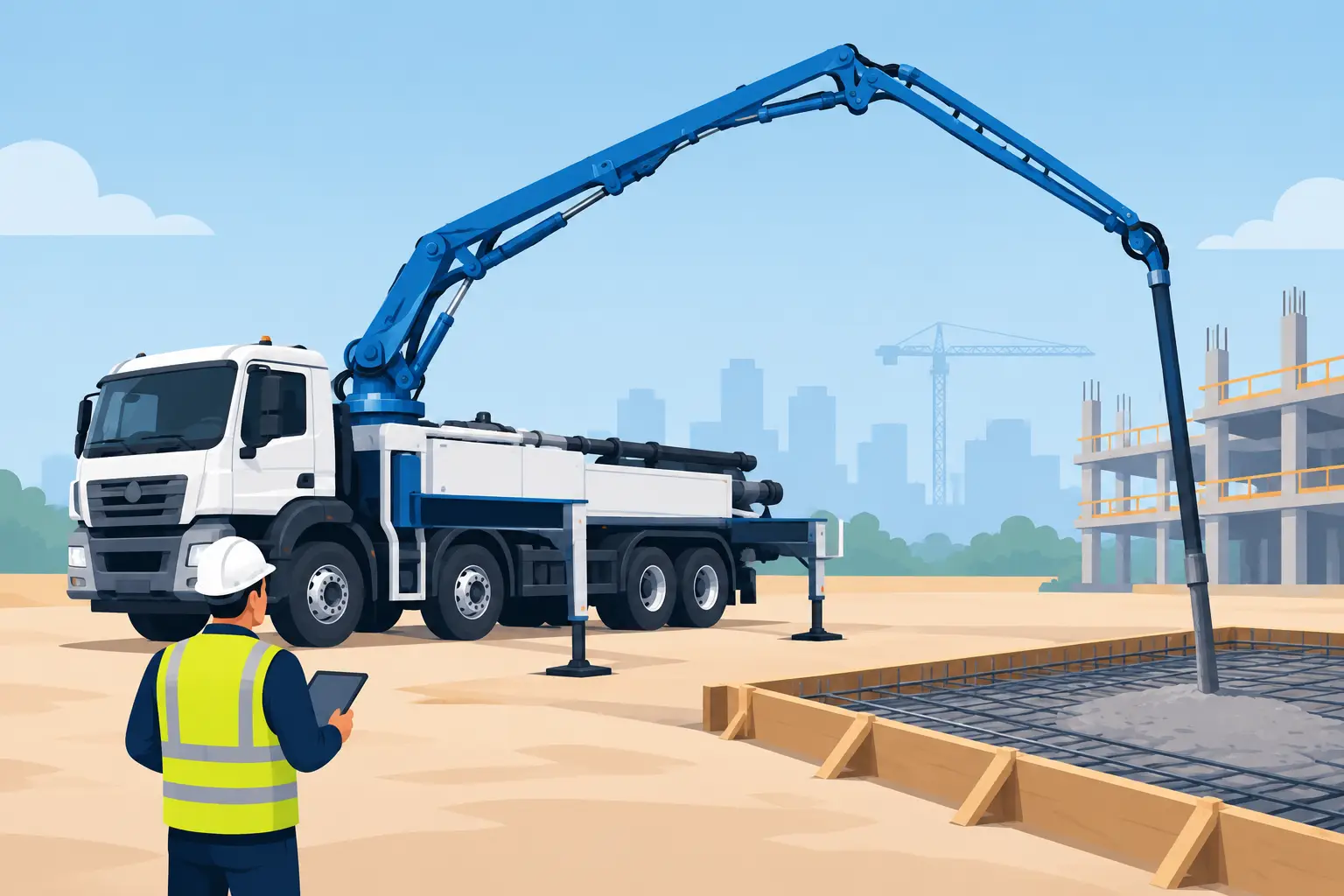
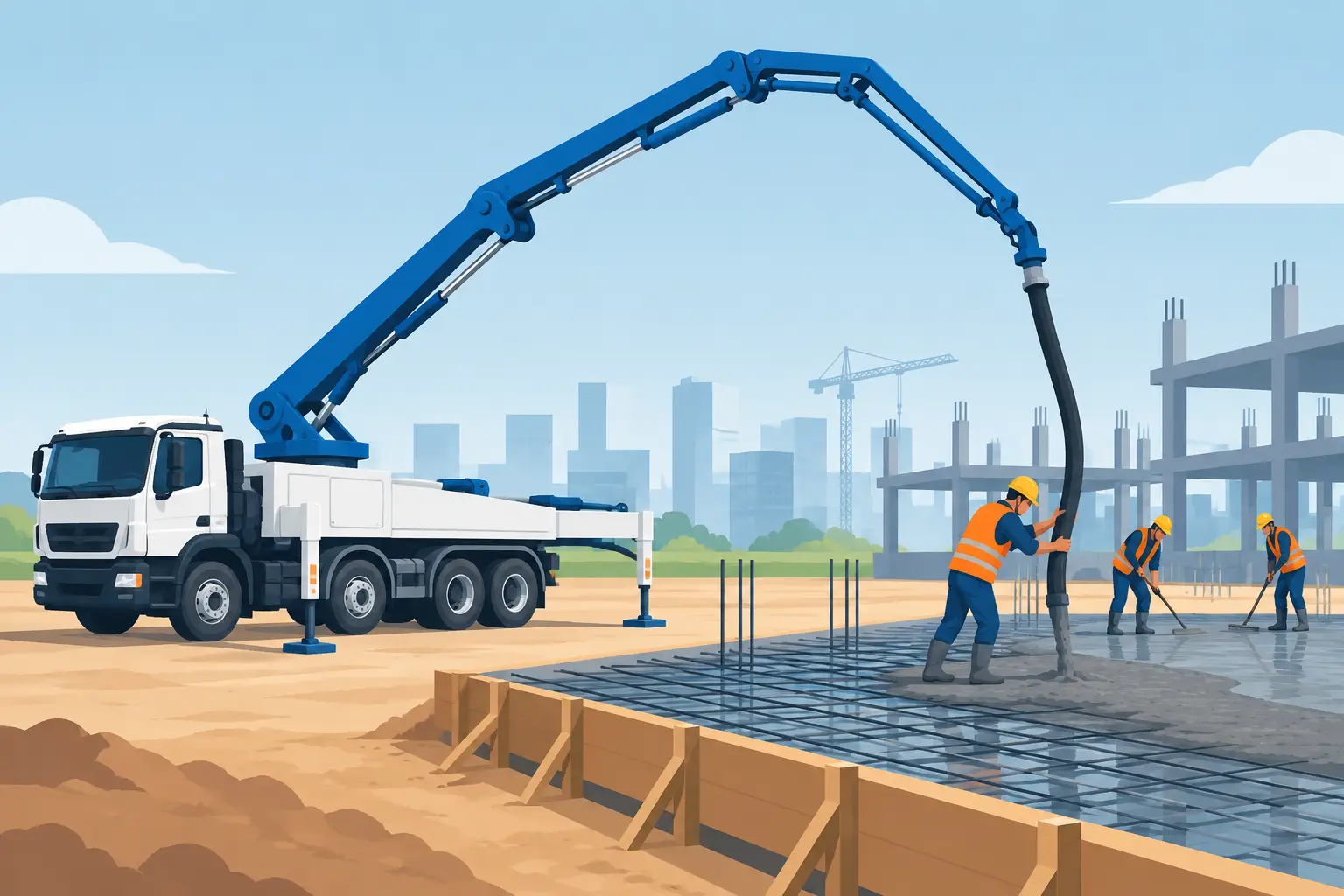
A boom pump is often the efficient choice for foundations, large slabs, elevated work, retaining walls, and commercial placements. Its articulated boom can cover a broad area while the truck stays positioned in a workable staging location. That reduces the number of times crews need to move hose or change truck positions during the pour.
Boom pumps are particularly useful when the pour is behind a building, over an excavation, across a large lot, or beyond the practical reach of a chute. They can also help keep truck traffic out of finished or sensitive areas. The trade-off is that boom pumps need suitable setup space and firm ground conditions for safe operation. Site access and outrigger clearance need to be considered before pour day, not when the first truck arrives.
Compact equipment for restricted access
Urban infill lots, residential neighbourhoods, tight commercial sites, and projects with overhead restrictions often call for a more compact setup. Roll-and-fold boom equipment can provide useful reach while fitting sites where a larger boom truck would be impractical.
This is where early communication pays off. A narrow driveway, power lines, parked vehicles, soft shoulders, fences, or an excavation can change the equipment plan. Sharing site photos, dimensions, and the intended truck route allows the pumping crew to identify workable options before the schedule is locked in.
Line pumps for precise, hard-to-reach placement
A truck-mounted 4x4 line pump is a practical option when concrete must travel through a hose run rather than over the site on a boom. It is well suited to garages, additions, backyard pads, small foundations, piles, footings, repairs, and locations where access is limited or terrain is challenging.
Line pumping takes planning because hose routing affects labour, setup time, and pumping performance. Longer runs, elevation changes, tight corners, and mix design all matter. Still, when the alternative is moving concrete manually through a confined area, a line pump can eliminate a great deal of wasted effort and cleanup.
Speed Matters, but Placement Control Matters More
A pump can move concrete quickly, but rushing the pour is not the goal. The objective is to maintain a pace that the placing and finishing crews can handle. Too slow, and the project risks cold joints, inconsistent finishing, and truck delays. Too fast, and crews can lose grade control or struggle to consolidate the concrete properly.
A reliable pumping operation helps the crew work at the right pace. The operator places concrete where it is needed instead of dumping excessive material in one area and forcing workers to pull it across the form. That improves distribution, reduces rehandling, and helps maintain a more even finish.
For slabs, placing concrete near final grade reduces the amount of raking required. For walls and footings, controlled placement helps avoid overloading forms or creating unnecessary segregation. For foundations, the ability to reach around an excavation can keep trucks and workers clear of unstable edges.
The result is not simply a faster pour. It is a cleaner workflow that gives the concrete crew a better chance to produce the finish the project requires.
Where Pumping Delivers Real Jobsite Value
Concrete pumping earns its place when it removes a clear constraint from the project. On a large foundation or slab, the constraint may be distance. On an infill lot, it may be access. On an industrial or agricultural project, it may be the need to place a high volume of concrete efficiently over a broad area.
For homeowners, pumping is often worth considering when a garage, shop, basement, patio, or addition cannot be reached directly by a concrete truck. The apparent cost of a pump needs to be weighed against the cost of extra labour, slower placement, material waste, and potential damage from trying to force trucks or wheelbarrows through the site.
For contractors, the calculation is often about crew productivity and schedule certainty. A crew that spends less time transporting concrete can focus on placing, screeding, vibrating, finishing, and preparing for the next stage of work. On a busy project, that time savings can protect more than one trade's schedule.
Prepare the Site Before the First Truck Arrives
The best pumping days are planned well before concrete is ordered. A pump crew needs accurate information to select equipment, confirm access, and set up safely. Last-minute surprises are expensive because concrete trucks are already on the clock once they arrive.
Before booking, confirm the pour location, approximate concrete volume, required reach or hose distance, and desired placement sequence. Discuss site access honestly. A truck may need room to enter, turn, stage, and set outriggers. Soft ground, steep grades, overhead wires, low branches, scaffolding, and open excavations should all be identified in advance.
A ready site also helps the concrete itself. Forms should be braced, reinforcement inspected, washout arrangements considered, and the crew prepared before pumping begins. The pump operator can support an efficient pour, but cannot make up for unfinished prep work or an undersized finishing crew.
For most projects, the pre-pour conversation should cover these four points:
- The pump type that suits the reach, volume, and available access.
- Where the pump and ready-mix trucks will stage safely.
- The hose route and placement order for the crew.
- Any site hazards, overhead obstructions, or ground-condition concerns.
Clean Work Helps Protect the Schedule
Concrete placement is demanding work, but it should not leave unnecessary mess behind. Good hose control, thoughtful truck positioning, and deliberate washout planning reduce cleanup and help protect driveways, landscaping, finished surfaces, and neighbouring areas.
Clean jobsite practices matter even more on residential properties and confined commercial sites. They also matter to the next trade. When a pour area is organized and the surrounding site is not buried in splatter, crews can get back to work sooner and the project stays presentable for clients, inspectors, and owners.
A Reliable Pumping Partner Is Part of the Pour Crew
The cheapest option is not always the least expensive once labour, wait time, rework risk, and schedule pressure are counted. Reliable concrete placement services bring more than a truck to the site. They bring the right equipment, an operator who understands active jobsites, and a plan for getting concrete placed safely and efficiently.
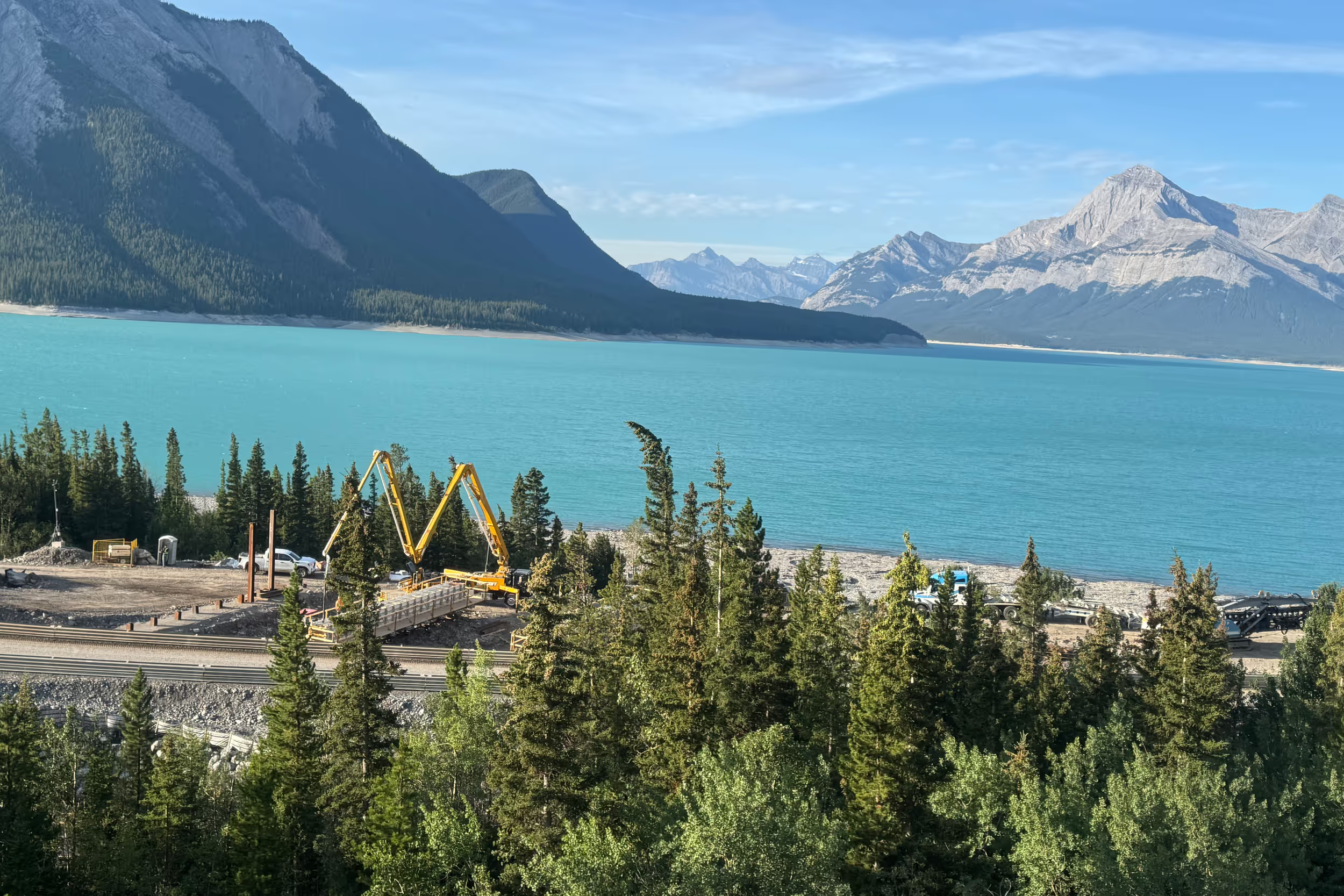
Bandit Concrete Pumping supports projects across Central Alberta with boom pumps, compact equipment, and a 4x4 line pump selected around the actual conditions on site. That flexibility matters when a straightforward pour changes because access tightens, weather affects ground conditions, or the work is farther from the road than expected.
When pour day is approaching, provide the site details early, make room for the right setup, and build the pumping plan around the crew's placement sequence. Concrete only gives you one good window to get it right.