 (587) 703-6048

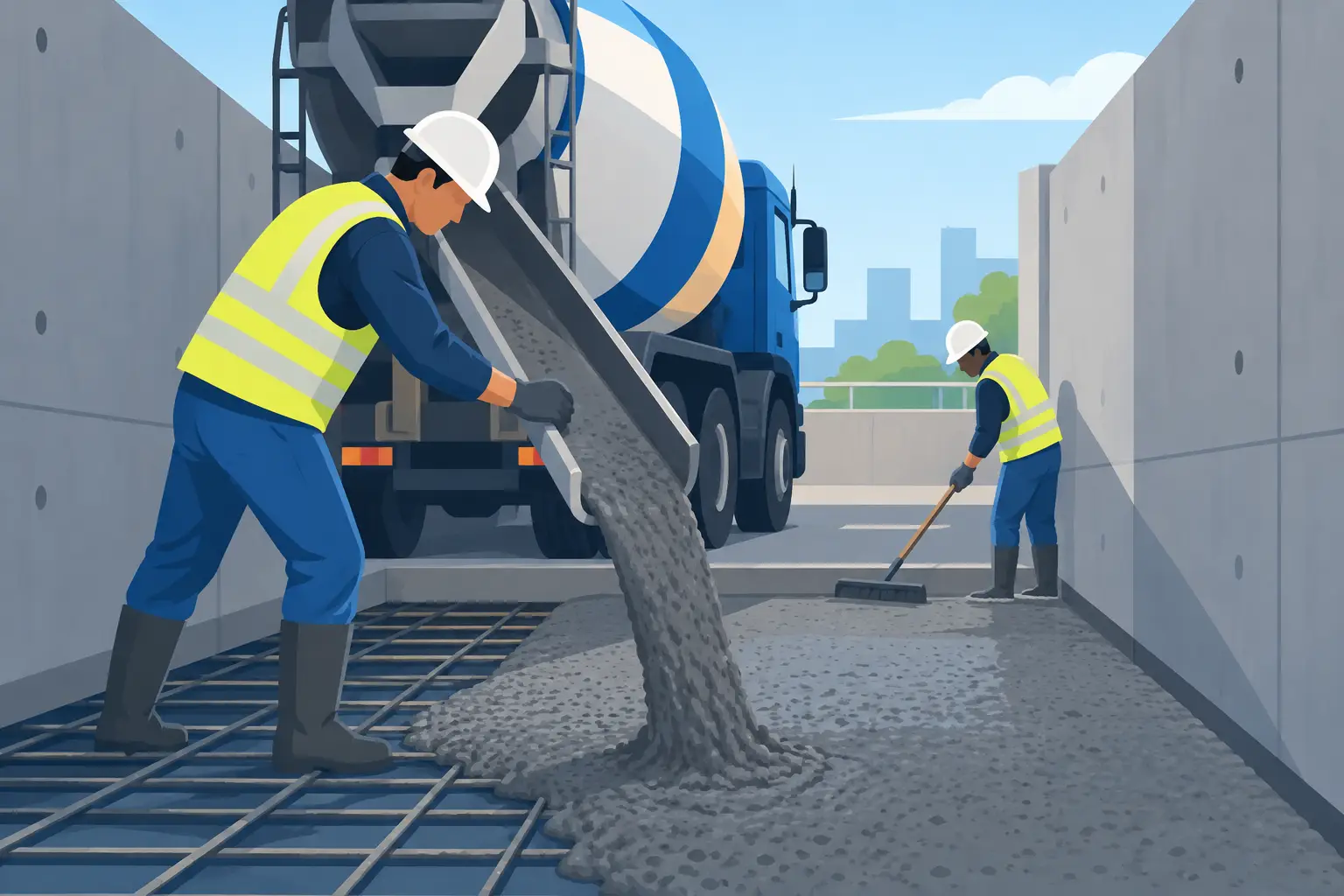
Confined Site Results That Keep Concrete Moving

A tight lot can turn a straightforward pour into the part of the schedule everyone is watching. Limited truck access, neighbouring homes, overhead lines, soft ground, finished landscaping, and crews working in close quarters all leave little room for mistakes. Strong confined site results come from more than getting concrete to the address. They come from matching the pump, hose route, crew timing, and placement plan to the actual conditions on site.
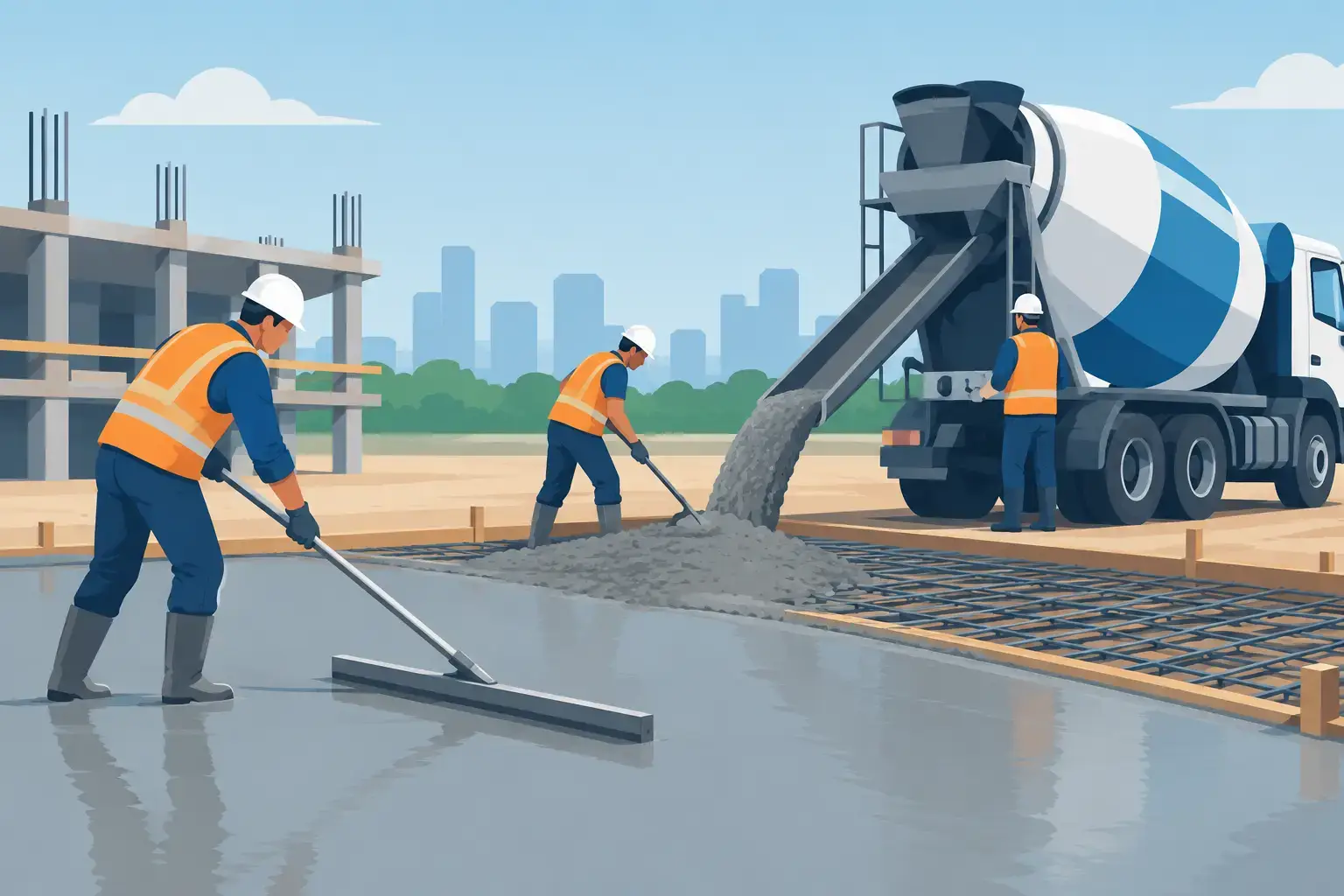
For foundations, garage pads, basement slabs, additions, shops, and commercial infill work, concrete pumping gives crews a controlled way to reach the pour without turning the site into a wheelbarrow relay. The right setup keeps concrete moving, helps finishers stay ahead of the load, and limits the cleanup that can eat up the end of a long pour day.
What confined site results look like on the job
Good results are practical. The pump arrives when scheduled, sets up safely, and reaches the forms without forcing ready-mix trucks into spaces they cannot safely use. Concrete is placed where the crew needs it, at a pace the finishers can manage, with less handling between the truck and the forms.
On a restricted residential lot, that may mean pumping over a house into a backyard foundation or slab. On a commercial or industrial site, it may mean working around existing structures, active trades, excavation edges, or stored material. The best approach depends on access, reach, volume, mix design, and how much room is available for setup and truck rotation.
A pump does not eliminate planning. It makes a well-planned pour faster and more controlled.
Start with access, not the concrete volume
Many pump decisions are made by looking only at the number of cubic metres being poured. Volume matters, but access usually determines the equipment choice on confined sites.
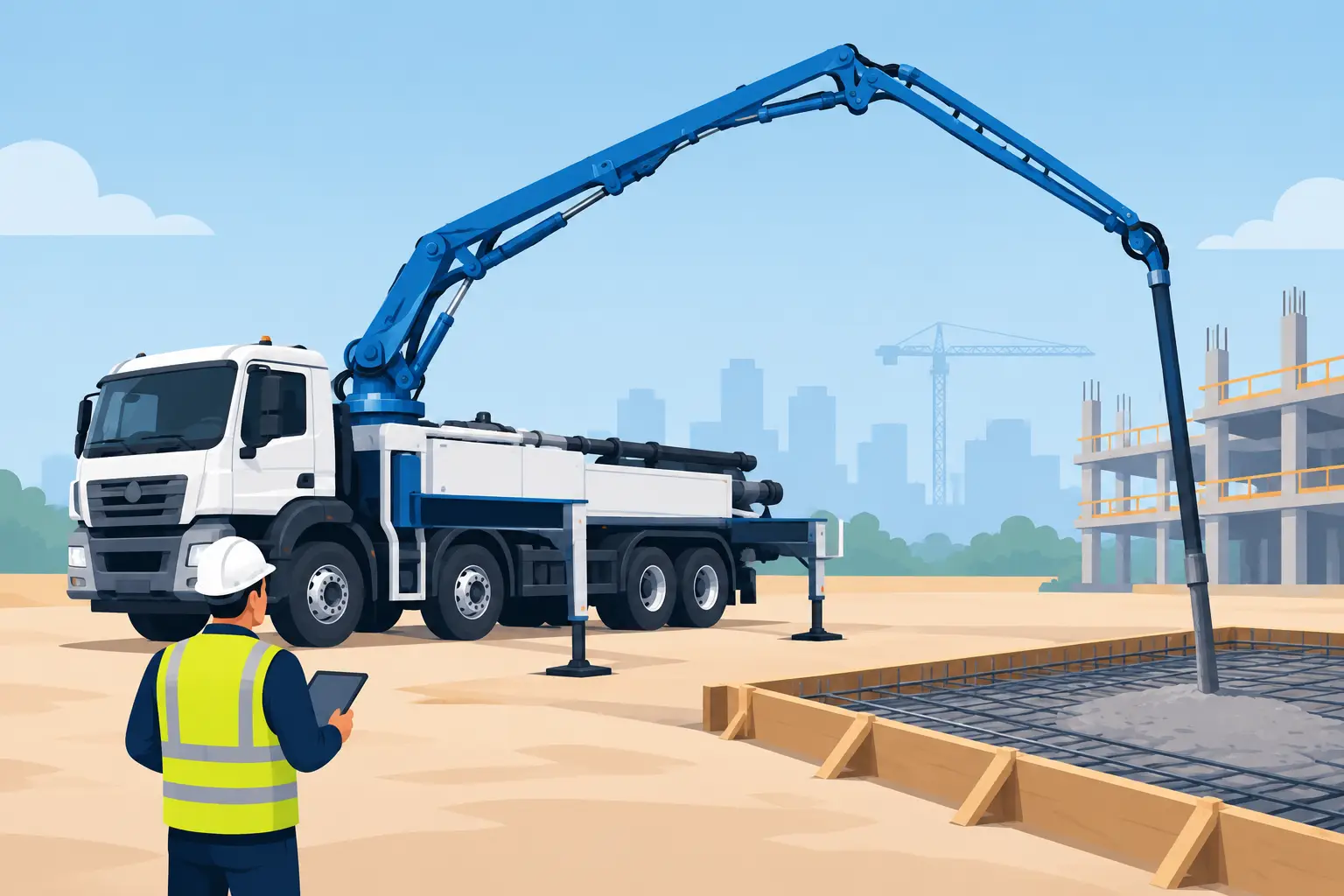
Before the pour, assess where the pump can park, where ready-mix trucks will unload, and how they will enter and leave the site. Check gate widths, alley access, slopes, buried services, overhead power lines, soft shoulders, and the space needed for outriggers. A boom pump needs a stable setup area. A line pump needs a practical route for hose or line that will not block workers, damage finished surfaces, or create a trip hazard.
The pour location matters just as much. A backyard slab may be only a short distance from the street, but fences, houses, decks, and grade changes can make direct access impossible. A compact boom with the right folding pattern can work well where a larger truck cannot position effectively. In other cases, a truck-mounted 4x4 line pump is the better choice for pushing concrete into a difficult-to-reach area with controlled hose placement.
Choose equipment that fits the restriction
There is no single pump that is best for every tight jobsite. Larger boom pumps offer broad coverage and can reduce hose handling over a large foundation, slab, or elevated placement. They are a strong option when the setup area is available and the boom can safely work around the building and overhead conditions.
Compact roll-and-fold boom equipment is often the practical answer where access is limited. Its design can help operators work within tighter setup constraints while still delivering the reach needed for residential and infill projects. That can be the difference between placing concrete efficiently and relying on extra labour to move material by hand.
Line pumps are valuable when the site does not suit boom setup or when the placement route calls for more flexibility. A 4x4 line pump can access rougher ground and deliver concrete through line and hose to locations beyond a gate, around a structure, or into areas where a truck chute cannot reach. The trade-off is that line placement may require more planning around hose routing and labour at the point of discharge.
The goal is not to bring the biggest machine. It is to bring the machine that gets the job done safely, cleanly, and without slowing down the rest of the site.
Build the pour plan around the finishing crew
Concrete placement and finishing have to stay in step. Sending concrete too quickly can overwhelm a small crew and lead to rushed screeding, uneven consolidation, or poor surface timing. Sending it too slowly can create delays between loads and make the work harder than it needs to be.
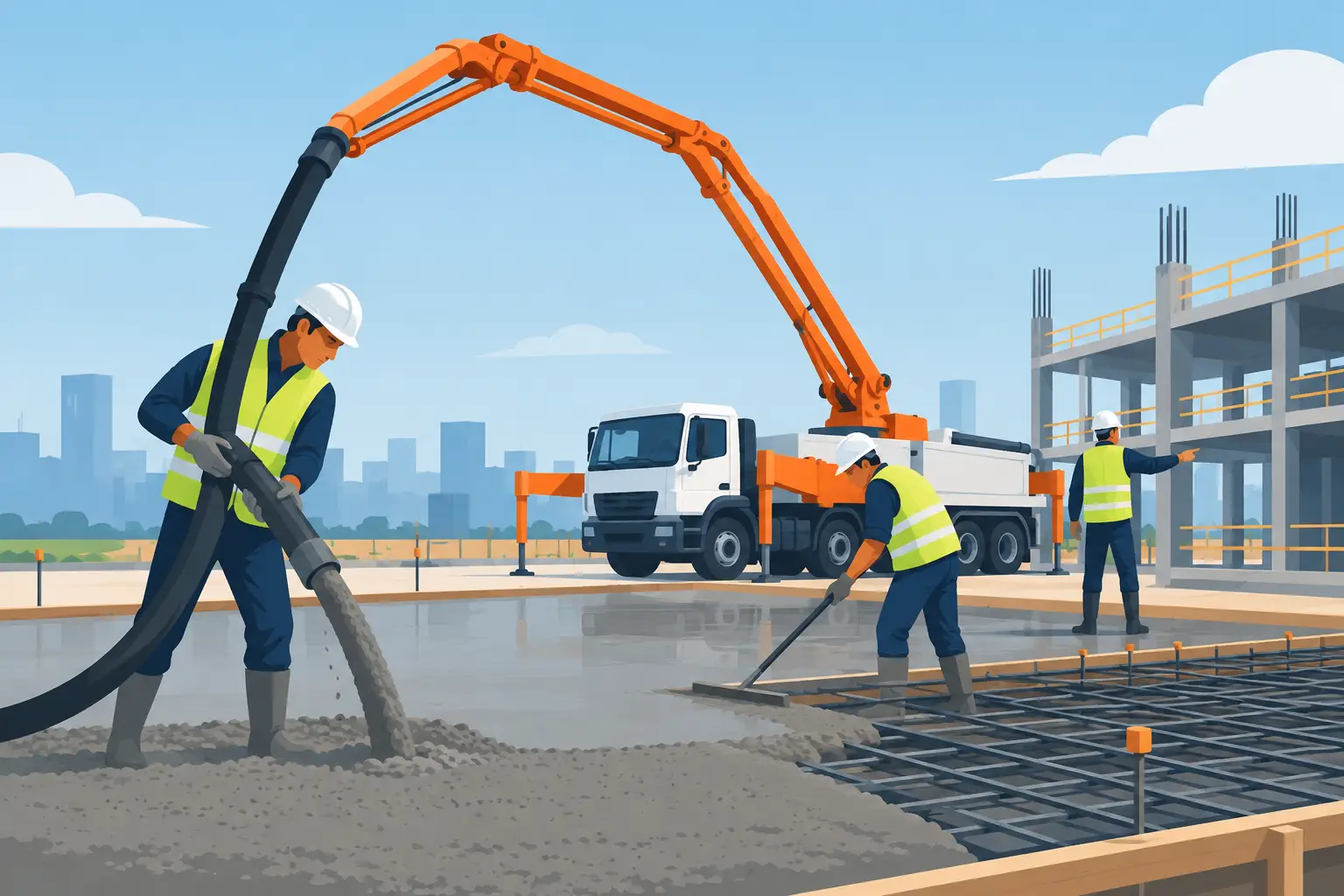
A capable pump operator works with the site crew to control the pace. For a foundation wall, that means placing lifts consistently without overloading forms. For a slab, it means moving across the area in a sequence that gives the finishing crew room to strike off, bull float, and manage joints. For footings and grade beams, accuracy matters because excess material means more labour moving concrete after it lands.
This coordination is especially important in confined spaces. There may be only one route for workers, hose, and materials. When the operator and crew know the placement order before the first truck arrives, the job stays organized instead of becoming reactive.
Keep the discharge point under control
The end hose is where precision shows up. A controlled discharge reduces splatter, limits overfill, and helps keep concrete out of places it does not belong. On a tight residential lot, that can mean protecting siding, windows, landscaping, fences, and finished walkways. On a commercial site, it can mean avoiding embedded services, existing finishes, and active work zones.
There is still cleanup on every pour. The difference is whether the crew is dealing with normal washout and hose cleanup, or spending hours removing spilled concrete from access routes and surrounding property.
Safety is part of the production plan
Confined sites put people and equipment close together. That makes clear communication essential. The operator needs a defined setup area, and the crew needs to understand where the hose will travel, where trucks will move, and which areas must stay clear during placement.
Overhead power lines deserve special attention. So do excavation edges, unstable ground, traffic routes, and congested areas where multiple trades are working. If safe boom clearance or stable outrigger placement is not available, the plan may need to change. A line pump, a different truck position, a revised hose route, or a scheduled pour when fewer trades are on site can be the safer answer.
Trying to force a pump setup because it looked workable on paper is not good production. A short delay to correct the plan is better than a damaged property, a safety incident, or a stopped pour.
Reduce labour without losing control
Wheelbarrows, buggies, and chute placement still have their place on very small or open-access pours. But they become inefficient quickly when concrete has to travel through narrow side yards, across uneven ground, or around a building. Every extra handling step takes labour, slows placement, and raises the chance of material loss or inconsistent delivery.
Pumping gets concrete closer to its final position. That reduces unnecessary handling and lets the crew focus on placing, consolidating, and finishing rather than transporting material. It can also reduce the number of workers needed for the pour, which helps contractors control labour costs when skilled hands are already stretched across multiple projects.
The savings are not only measured in payroll. Faster placement can help avoid ready-mix truck waiting time, reduce schedule pressure on follow-on trades, and leave a cleaner site for the next phase of work.
Give your pump provider the details early
A clear site description leads to better confined site results. Photos are useful, particularly of the access route, parking area, overhead conditions, gate openings, and actual pour location. Include the planned concrete volume, mix requirements, placement height or depth, requested pour date, and whether ready-mix trucks can stage on site.
Let the pump provider know about anything that could affect setup: new curbs, soft ground, low branches, restricted streets, school-zone timing, utility lines, narrow lanes, or occupied buildings. What seems like a small detail can determine whether a boom pump, compact boom, or line pump is the right fit.
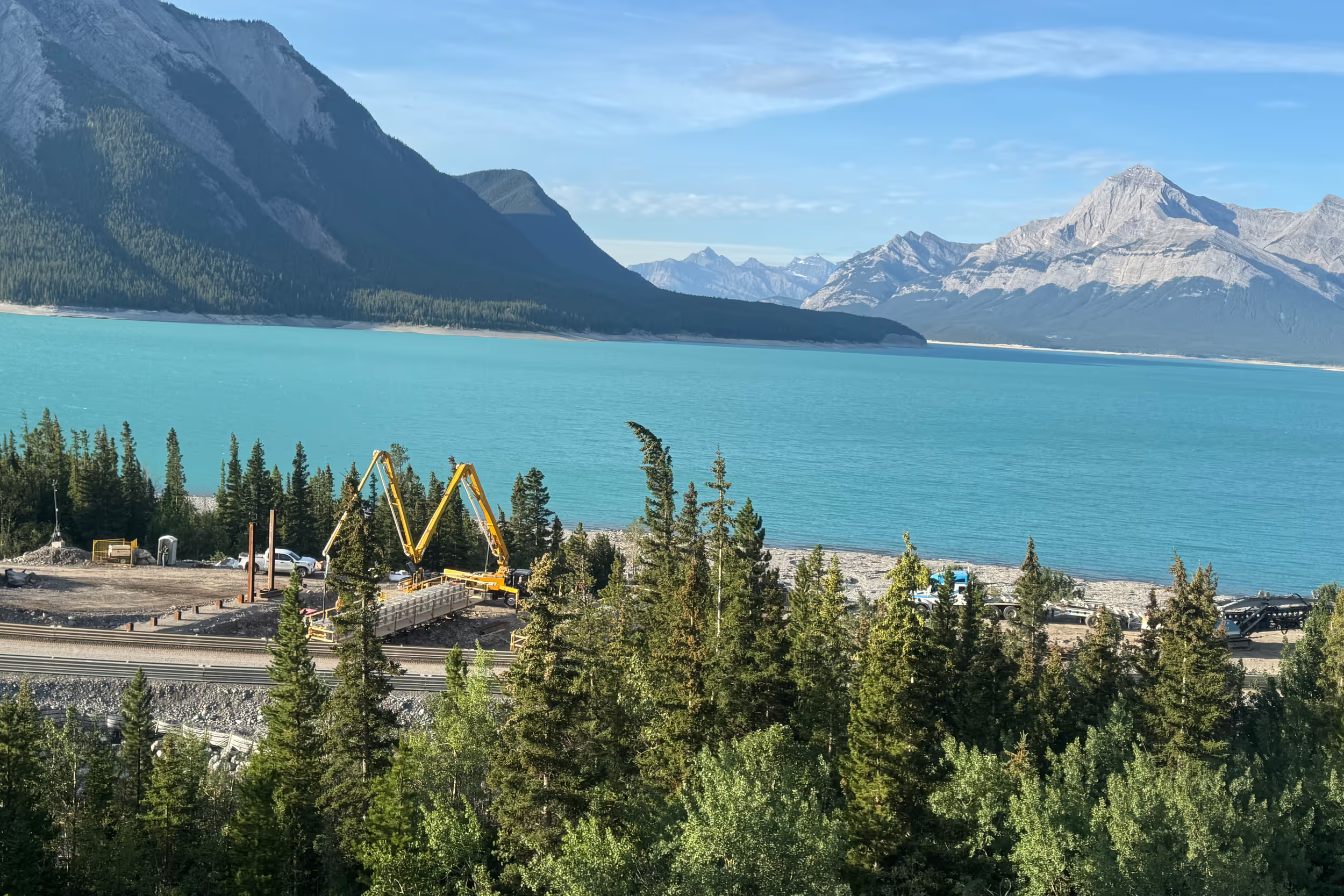
Bandit Concrete Pumping works across Central Alberta with equipment and experienced operators suited to the varied access conditions found on residential, commercial, industrial, and agricultural projects. The practical advantage is having a placement plan built around the site instead of asking the site to accommodate the equipment.
When the lot is tight, the right question is not simply whether concrete can get there. It is whether it can be placed safely, accurately, and at a pace that keeps the entire job moving. Plan the access early, match the pump to the work, and give the finishing crew the placement control they need to do their best work.